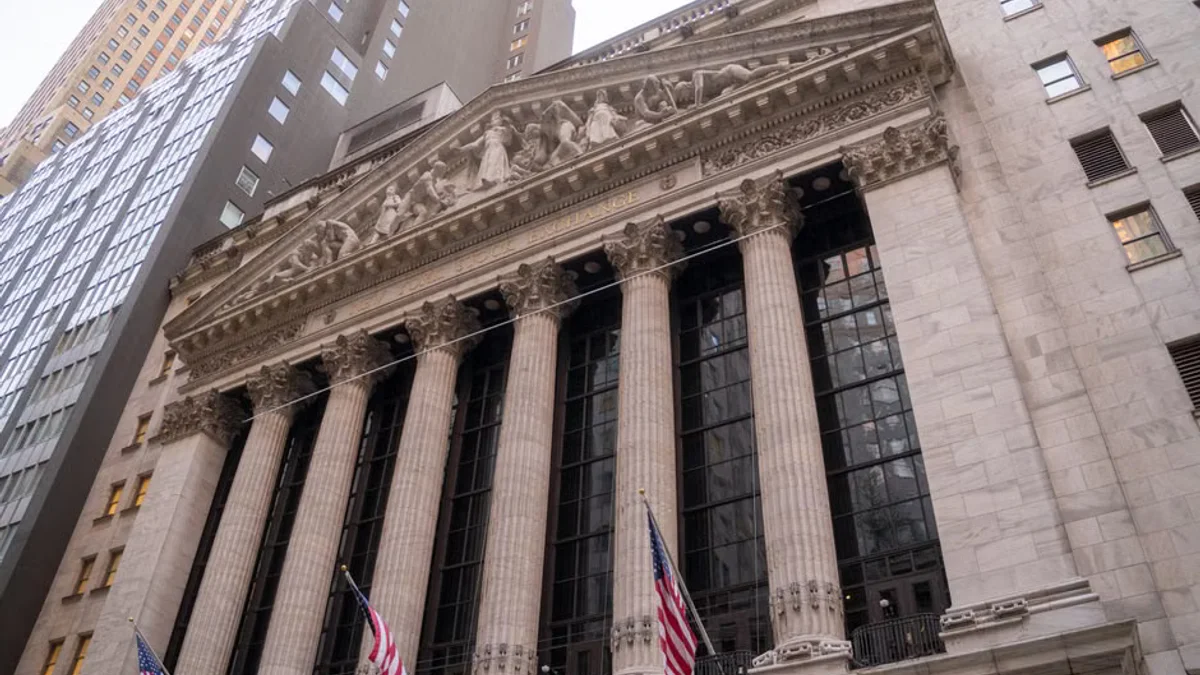
Wall Street experienced a dramatic downturn as escalating bond yields triggered a broad-based equity sell-off. The Dow Jones Industrial Average plummeted more than 500 points in early trading, while tech-heavy indices also faced heavy downward pressure. The catalyst for the market rout was a surge in the 10-year U.S. Treasury yield, which climbed to its highest level in nearly a quarter of a century.
Financial analysts attribute the spike in borrowing costs to persistent investor anxieties regarding inflation, federal deficit spending, and the Federal Reserve's future interest rate path. As risk-free yields become increasingly attractive, institutional investors are swiftly reallocating capital away from equities and into fixed-income assets. This abrupt capital flight has reignited concerns over corporate financing costs, mortgage rates, and broader economic momentum.

Central bank officials have maintained that monetary policy will remain data-dependent, keeping market participants on edge ahead of upcoming inflation prints and employment data. Economists warn that sustained high yields could cool consumer spending and business investment significantly in the coming quarters.
Key Highlights
- The Dow Jones Industrial Average dropped over 500 points amid market volatility.
- The 10-year Treasury yield reached its highest level in 24 years.
- Rising borrowing costs spark investor reallocation from equities to fixed-income assets.
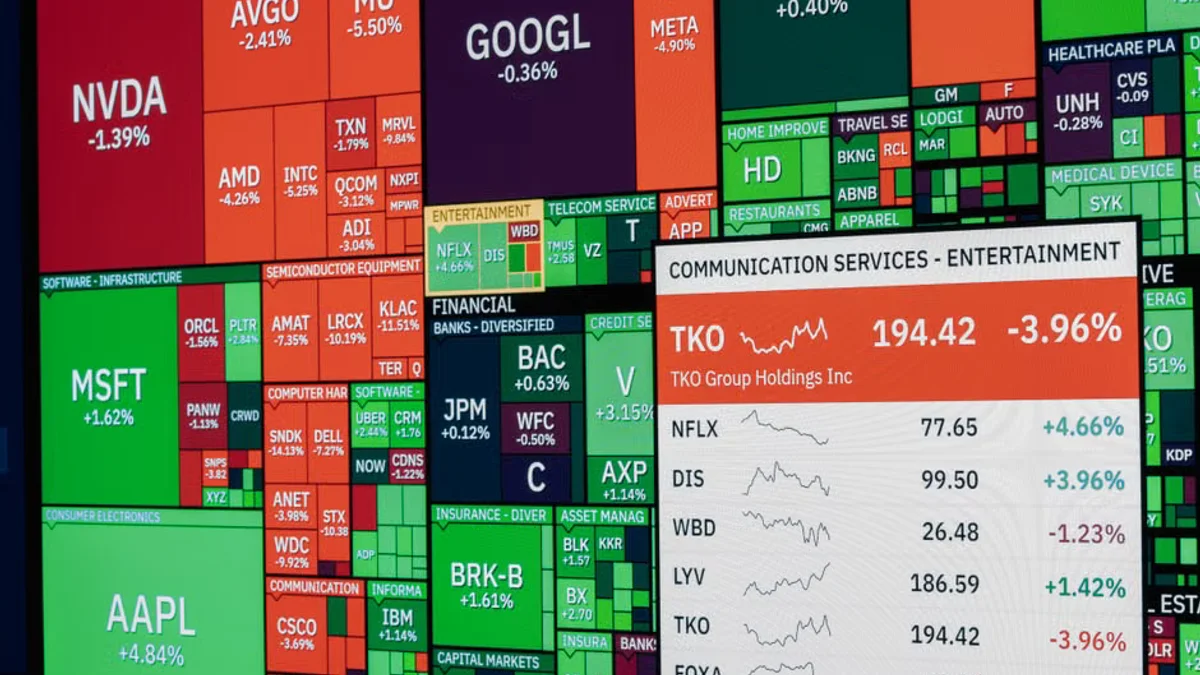
As trading sessions progress, market stability will heavily depend on macroeconomic data releases and commentary from Federal Reserve officials regarding interest rate projections.