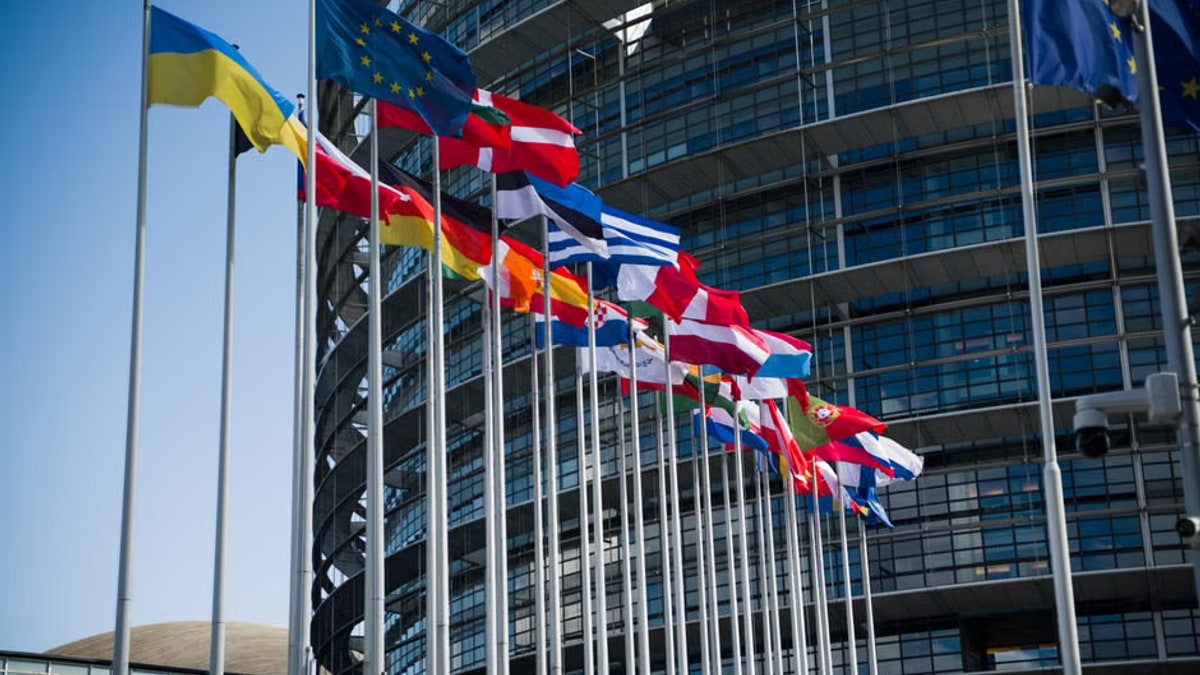
The European Union is grappling with a profound strategic dilemma: how to effectively counter perceived economic coercion and security challenges from Beijing without alienating key international partners or triggering disruptive trade retaliations. As Brussels attempts to forge a cohesive policy based on 'de-risking' rather than complete decoupling, EU member states find themselves navigating complex diplomatic crosscurrents.
The debate centers on critical supply chains, advanced semiconductor technologies, green energy manufacturing dependencies, and geopolitical stances regarding regional security in the Indo-Pacific. While industrial powerhouses within the bloc advocate for protecting domestic markets from subsidized Chinese electric vehicles and high-tech goods, export-driven economies fear the collateral economic damage of aggressive tariffs and diplomatic fractures.
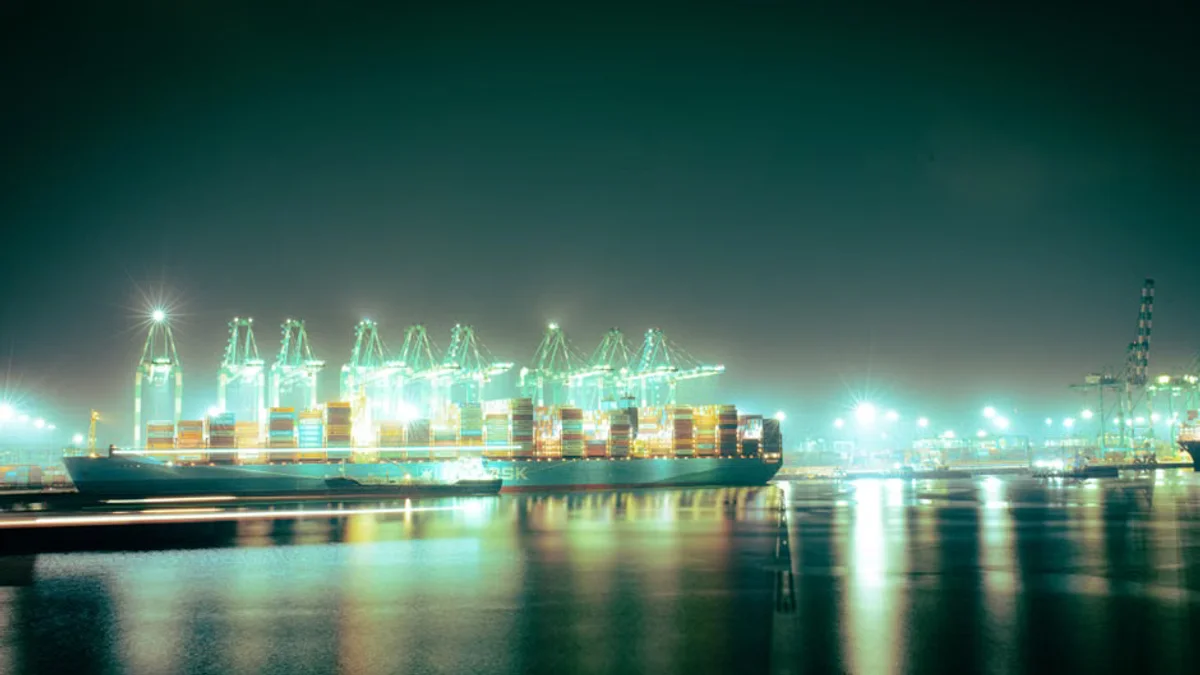
Compounding the challenge is the need to maintain alignment with Washington’s broader strategic objectives while preserving European strategic autonomy. Diplomatic insiders note that divergent national interests among EU capitals frequently complicate unified decision-making, allowing Beijing to employ subtle bilateral engagement strategies.
Trade ministers and foreign policy chiefs are scheduled to convene upcoming summit meetings to refine the bloc's economic security strategy, focusing on investment screening, export controls, and diversification into alternative emerging markets across Southeast Asia and Latin America.
Key Highlights
- EU faces a strategic dilemma in balancing economic policies toward China and preserving alliances.
- Brussels focuses on 'de-risking' supply chains without triggering damaging trade wars.
- Internal divisions among member states complicate a unified European foreign policy approach.
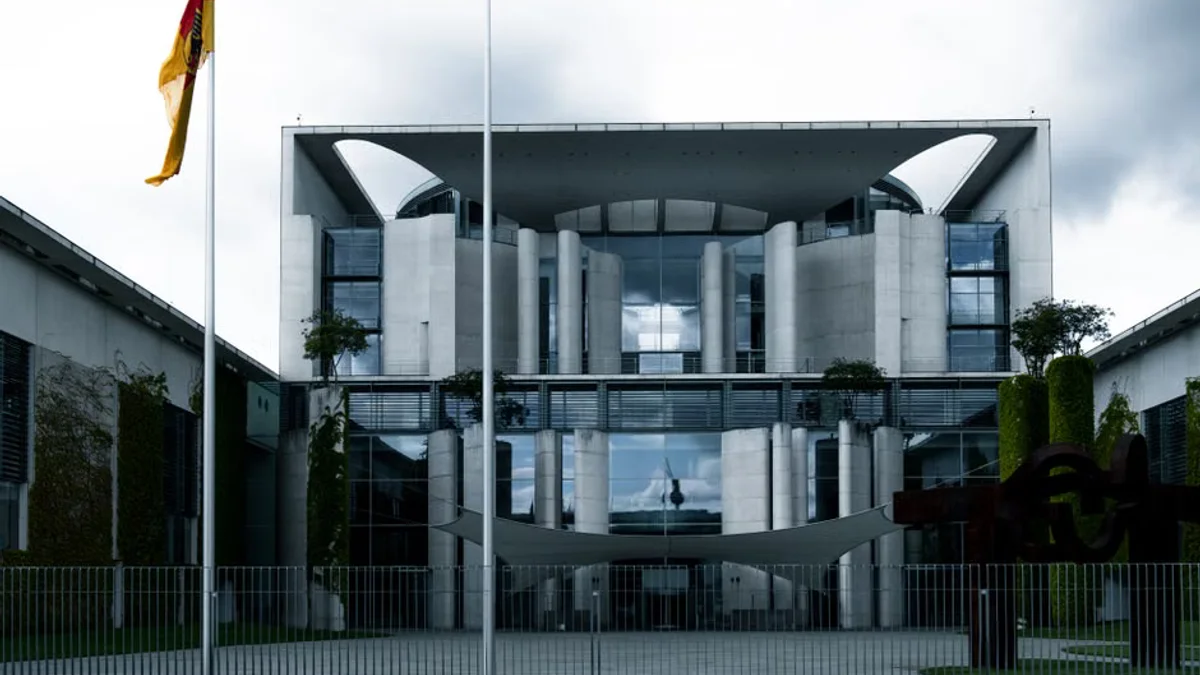
Ultimately, the European Union's ability to successfully navigate its China dilemma will shape not only its internal economic resilience but also its standing as an autonomous geopolitical actor on the world stage.