Brussels has ratcheted up pressure on Beijing, delivering what trade officials describe as a final opportunity to demonstrate constructive engagement in ongoing economic negotiations. The European Union's leadership insists that without immediate, verifiable policy shifts from China regarding industrial subsidies and market access, Brussels will proceed with protective trade barriers and tariffs.
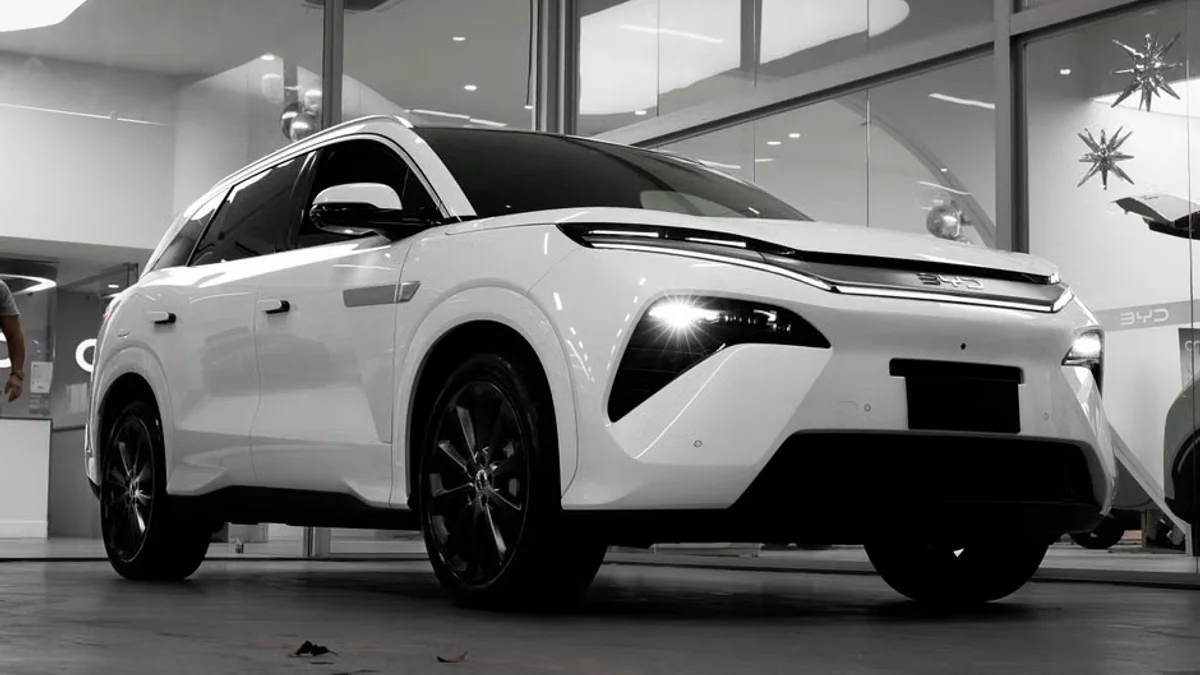
The latest diplomatic push comes amid mounting trade imbalances and concerns within European capitals over overcapacity in Chinese manufacturing sectors, particularly electric vehicles, renewable energy components, and legacy semiconductors. European trade commissioners have stressed that while dialogue remains the preferred route, patience among member states is wearing thin following months of protracted discussions yielding limited tangible progress.
Chinese trade ministry representatives have countered, arguing that EU protectionist measures undermine global free market principles and unfairly penalize competitive industrial outputs. Beijing has urged European counterparts to adopt a more pragmatic approach, warning that retaliatory measures could provoke a broader economic confrontation affecting global supply chains.
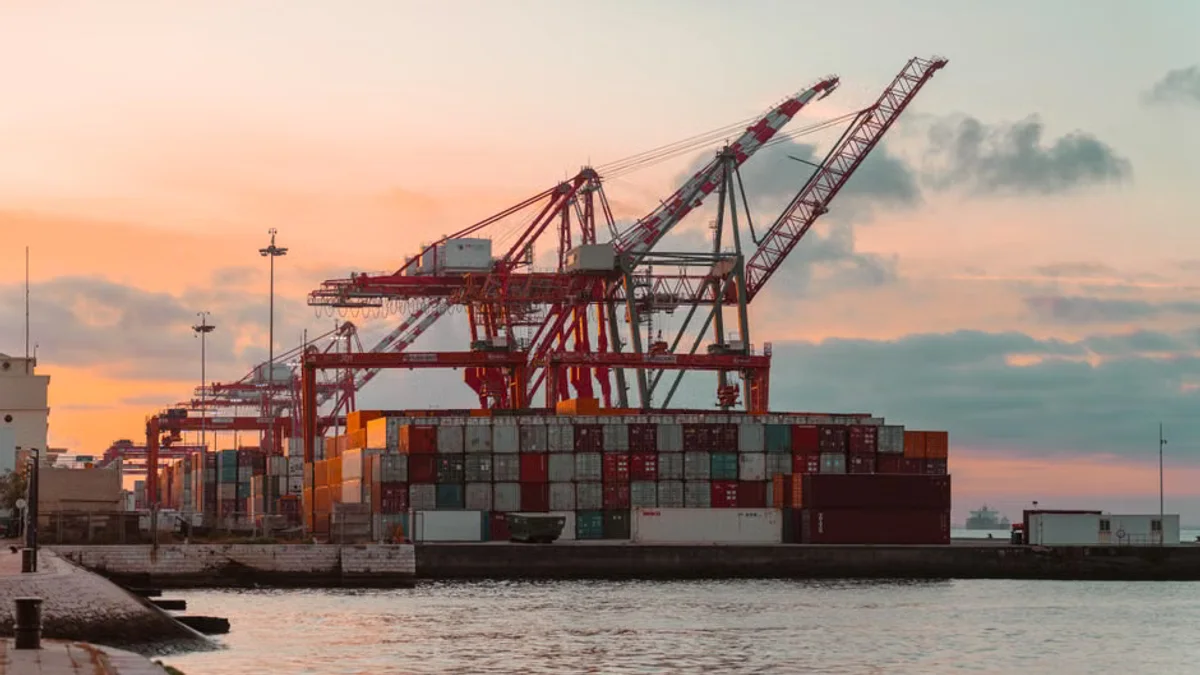
Economic analysts view this juncture as a pivotal moment for EU-China relations, with profound implications for global trade governance. Failure to reach a negotiated compromise could trigger a tit-for-tat tariff regime, forcing multinational corporations to further decouple supply chains and recalibrate international investment strategies.
Key Highlights
- EU demands concrete concessions from China to sustain bilateral trade talks.
- Concerns focus on industrial overcapacity, subsidies, and market access barriers.
- Potential breakdown in talks risks triggering a broader tariff escalation.
As negotiations reach a critical crossroads, the global business community is closely monitoring whether Brussels and Beijing can forge a viable economic compromise before deadlines expire.