
The Federal Reserve has released the minutes from its latest policy meeting, revealing that central bank officials expressed growing anxiety that inflationary pressures could become deeply entrenched and spread across broader sectors of the United States economy. While policymakers acknowledged progress made in cooling headline inflation over the previous year, the dialogue highlighted persistent risks tied to labor market resilience and sticky service-sector prices.
The cautious deliberations underscore the delicate balancing act facing the Federal Open Market Committee (FOMC). Officials emphasized the need to maintain a restrictive monetary stance until incoming economic data conclusively demonstrates that inflation is sustainably returning to the central bank's target rate of two percent. Consequently, policymakers pushed back against premature expectations of aggressive interest rate cuts, signaling a data-dependent approach for upcoming meetings.
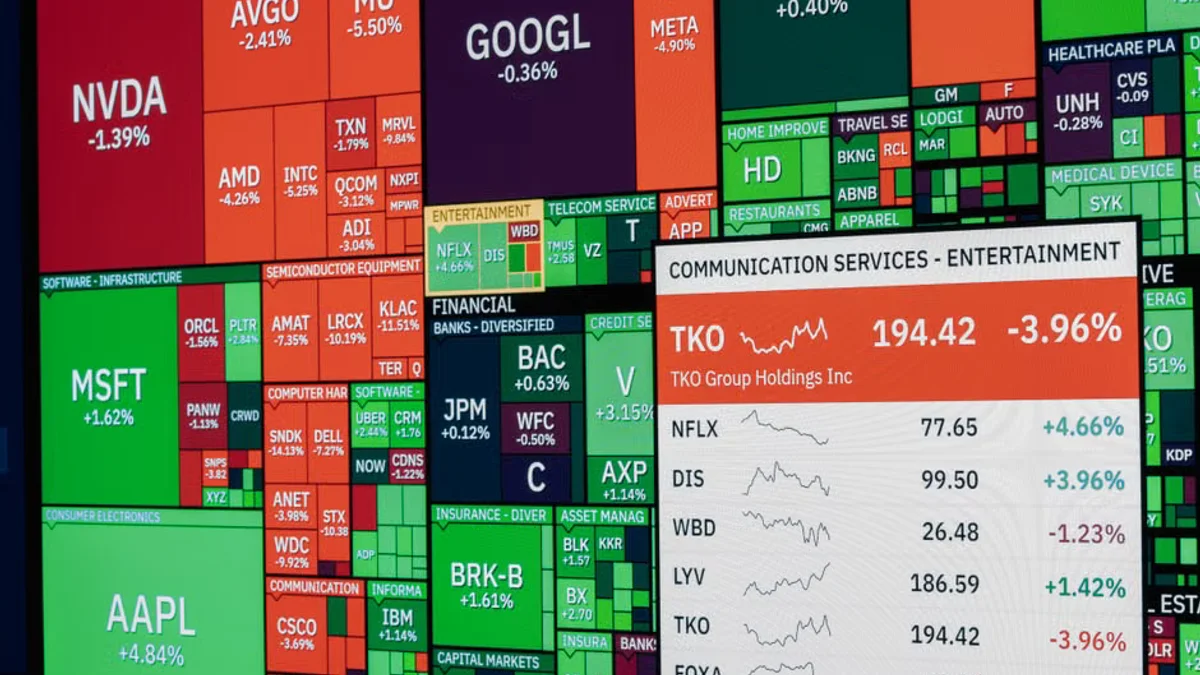
'Participants noted that while supply chain bottlenecks have largely eased, domestic demand remains remarkably robust, creating conditions where price increases could potentially broaden,' the meeting minutes stated. Financial markets reacted swiftly to the release, with Treasury yields fluctuating and equity indices paring recent gains as traders recalibrated their monetary policy outlooks for the remainder of the fiscal year.
Economic analysts point out that the Fed's primary challenge is navigating a potential 'soft landing'—lowering inflation without triggering a sharp economic contraction or employment downturn. With geopolitical tensions threatening global energy markets and domestic fiscal spending remaining high, central bankers appear resolved to proceed with extreme caution.
Key Highlights
- Fed minutes show officials worried about inflation pressures broadening.
- Policymakers emphasize maintaining restrictive monetary policy until targets are met.
- Markets recalibrate expectations regarding future interest rate cuts.
- Data-dependent approach reaffirmed amid resilient domestic demand.

As the U.S. economy enters a critical monetary phase, the Federal Reserve's unwavering vigilance against sticky inflation will remain the definitive driver of global financial market sentiment.