
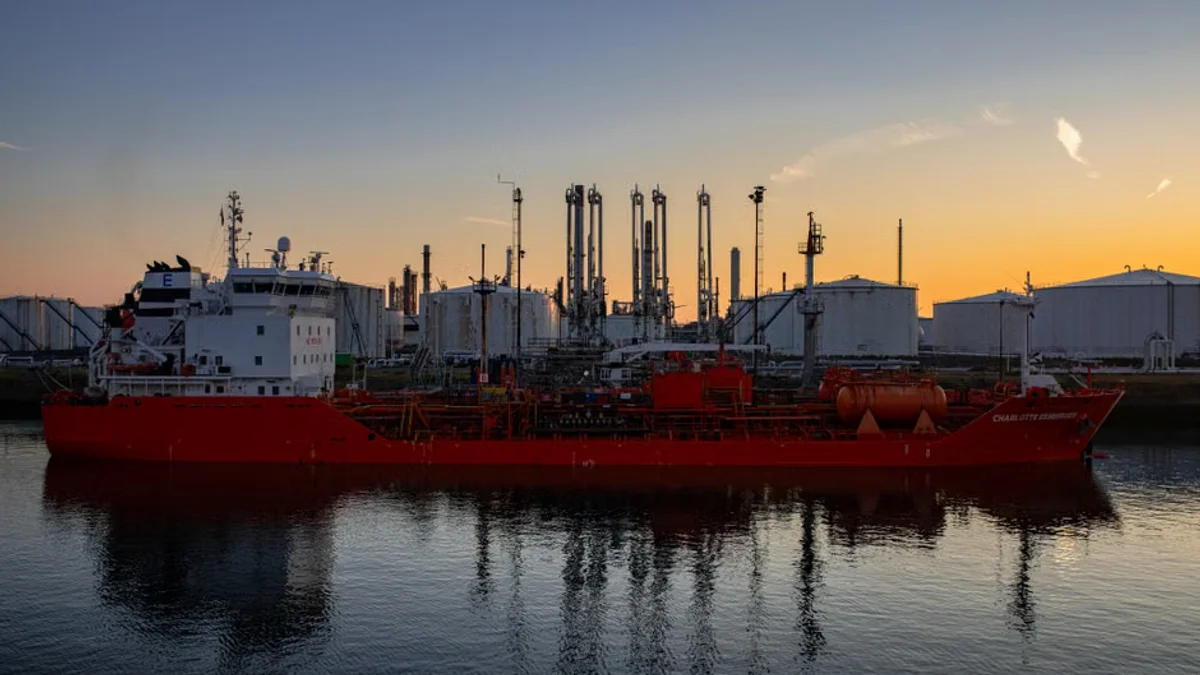
A tightening global crunch in diesel and middle distillate inventories has triggered a profound shift in international energy policy, fueling an aggressive wave of energy nationalism. Major refining nations across Asia, Europe, and the Americas are increasingly prioritizing domestic stockpiles over international supply chain commitments, implementing export curbs and tightening regulatory oversight on fuel shipments to protect local transport, agriculture, and manufacturing sectors.
Energy analysts attribute the acute supply squeeze to a combination of aging refinery infrastructure, geopolitical sanctions restricting Russian product flows, and unexpected maintenance shutdowns at key processing facilities in the Middle East and the United States. Because diesel serves as the literal lifeblood of global commerce—powering cargo ships, freight trucks, agricultural machinery, and industrial generators—any shortfall has immediate, inflationary ramifications across consumer goods.

As governments scramble to avert domestic fuel shortages and escalating pump prices, international trade friction has intensified. Importing nations that lack sufficient refining capacity have accused exporting states of economic protectionism, warning that fracturing global energy markets will distort pricing mechanisms and prolong inflationary pressures worldwide. International energy agencies have repeatedly urged cooperative multilateral frameworks to prevent supply hoarding, cautioning that zero-sum resource nationalism ultimately destabilizes global economic recovery.
Major energy firms report that refining margins have skyrocketed to near-record levels, incentivizing frantic processing activities where crude feedstock is available. However, structural bottlenecks in logistics and pipeline capacity continue to hamper the swift redistribution of refined products to high-demand zones.
Key Highlights
- A severe global shortage of diesel and middle distillates is threatening international supply chains.
- Governments are increasingly adopting energy nationalist policies, restricting fuel exports to safeguard domestic supplies.
- Sanctions, refinery bottlenecks, and surging agricultural and industrial demand drive the ongoing crunch.
- International trade friction mounts as fuel-importing nations criticize protectionist export controls.

Unless international cooperation improves and refining capacities expand, the persistent diesel deficit threatens to remain a primary catalyst for economic friction and inflationary volatility across global markets.