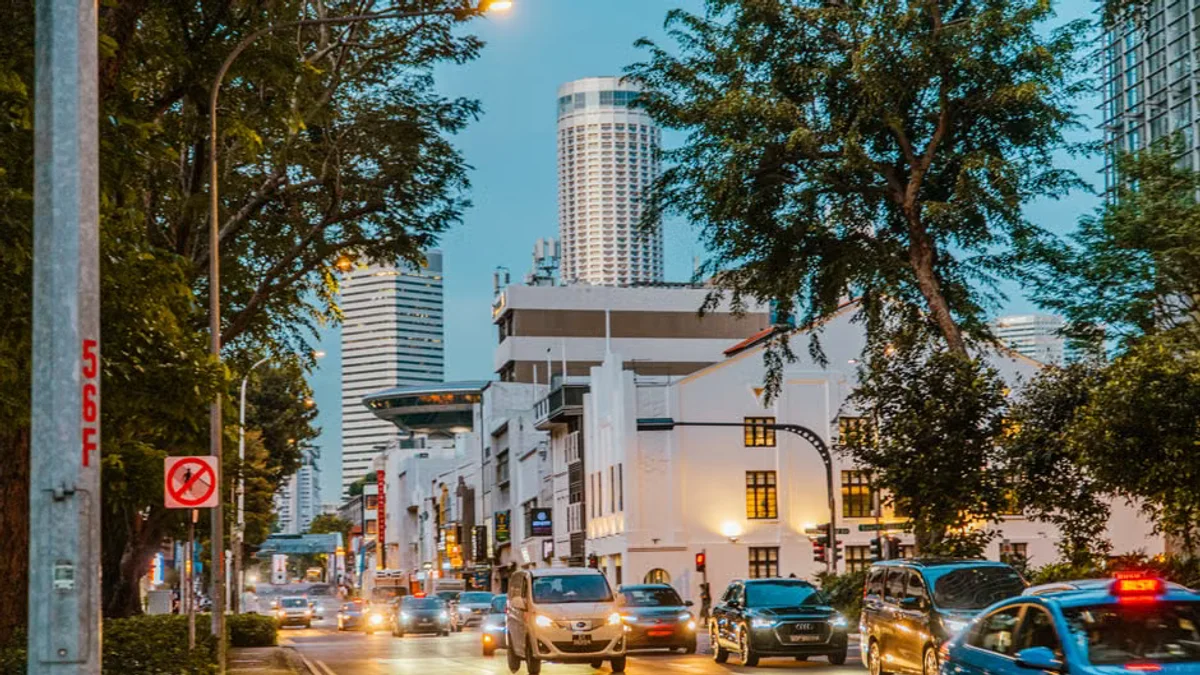
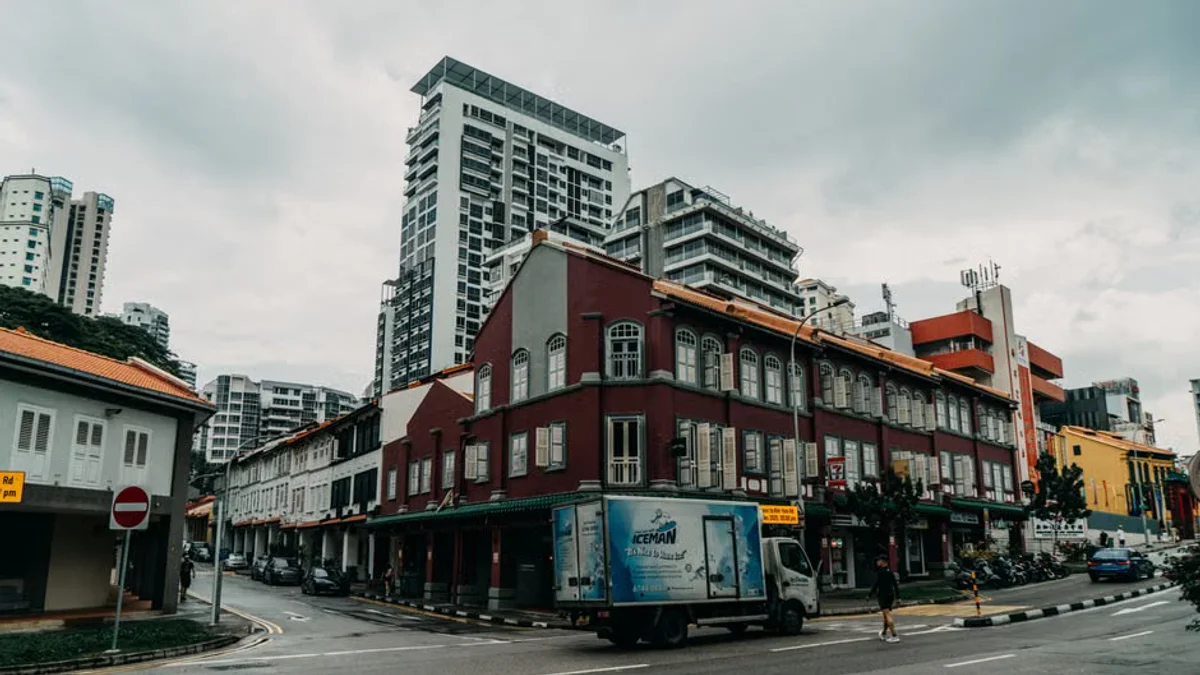
SINGAPORE — In a sweeping update to urban mobility standards, Singapore's Land Transport Authority (LTA) announced enhanced safety measures across major pedestrian crossings and zebra zones island-wide. The new initiative integrates advanced optical sensors, real-time vehicle speed monitoring, and AI-driven warning systems designed to protect vulnerable road users in high-density districts.
The upgraded infrastructure comes amid rising international scrutiny on urban pedestrian safety, particularly in fast-growing metropolitan centers across Asia. Transport officials noted that while Singapore maintains one of the lowest accident rates globally, rapid population growth and increased micromobility usage—such as e-scooters and bicycles—necessitate proactive regulatory adjustments.
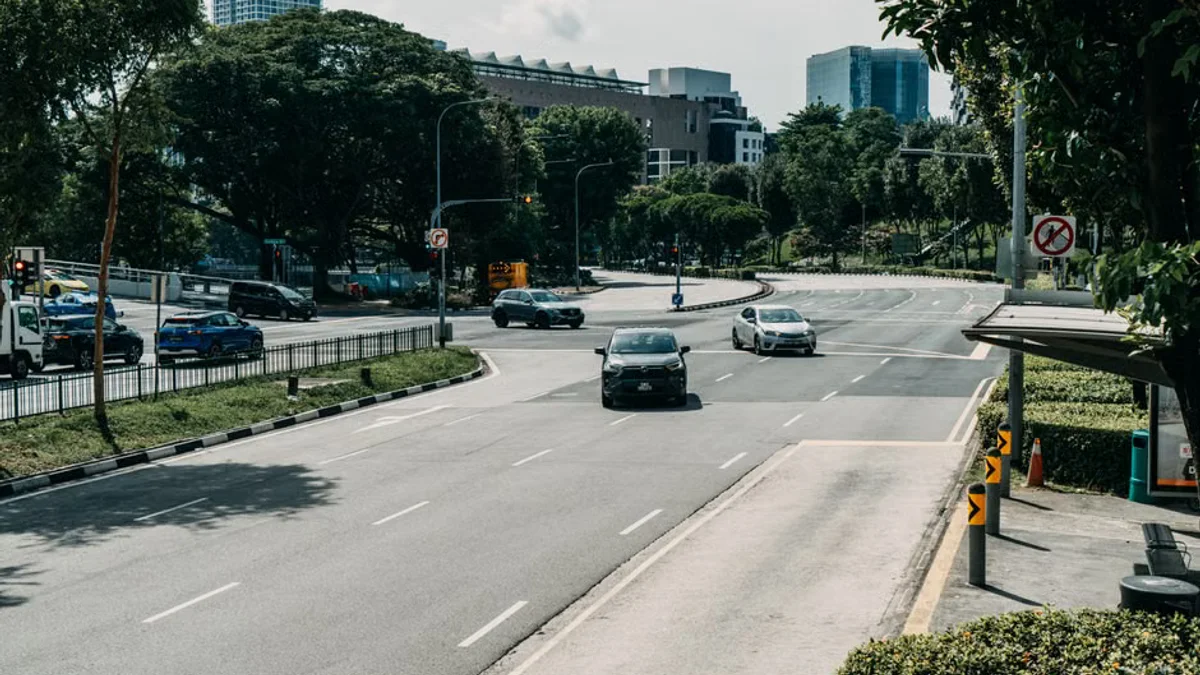
'Our commitment remains absolute: zero fatalities on our roads,' said a senior LTA spokesperson during a press briefing. 'By leveraging predictive AI and intelligent infrastructure, we can preemptively alert motorists to pedestrian blind spots long before an incident can occur.'
Commuters and local business groups have largely welcomed the upgrades, though logistics firms are reviewing delivery schedules to adapt to stricter speed advisories near commercial districts. Urban planners view Singapore's deployment as a potential benchmark for other dense global metropolises grappling with similar traffic congestion and safety challenges.
Key Highlights
- Integration of AI-powered optical sensors at high-traffic zebra crossings.
- Real-time speed advisory boards implemented across major commercial corridors.
- Closer alignment with Singapore's Smart Nation mobility goals.
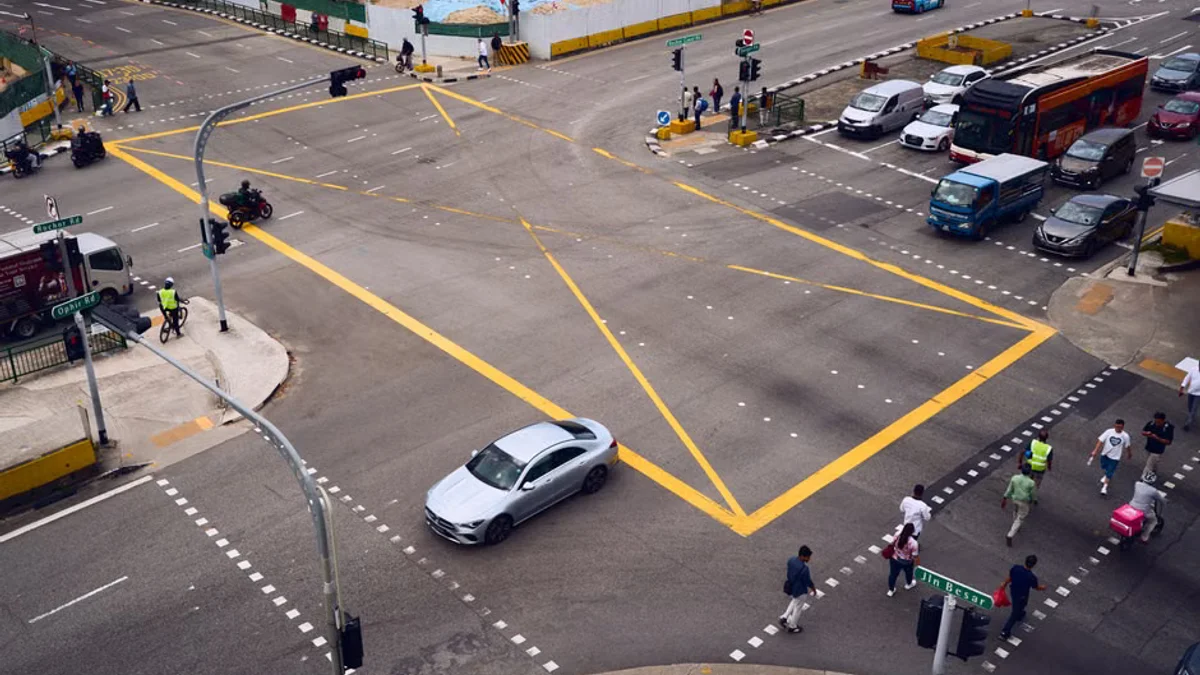
As these smart infrastructure projects scale up through the fiscal year, global urban planners will closely monitor Singapore's data to gauge the long-term efficacy of technology-led traffic safety reforms.