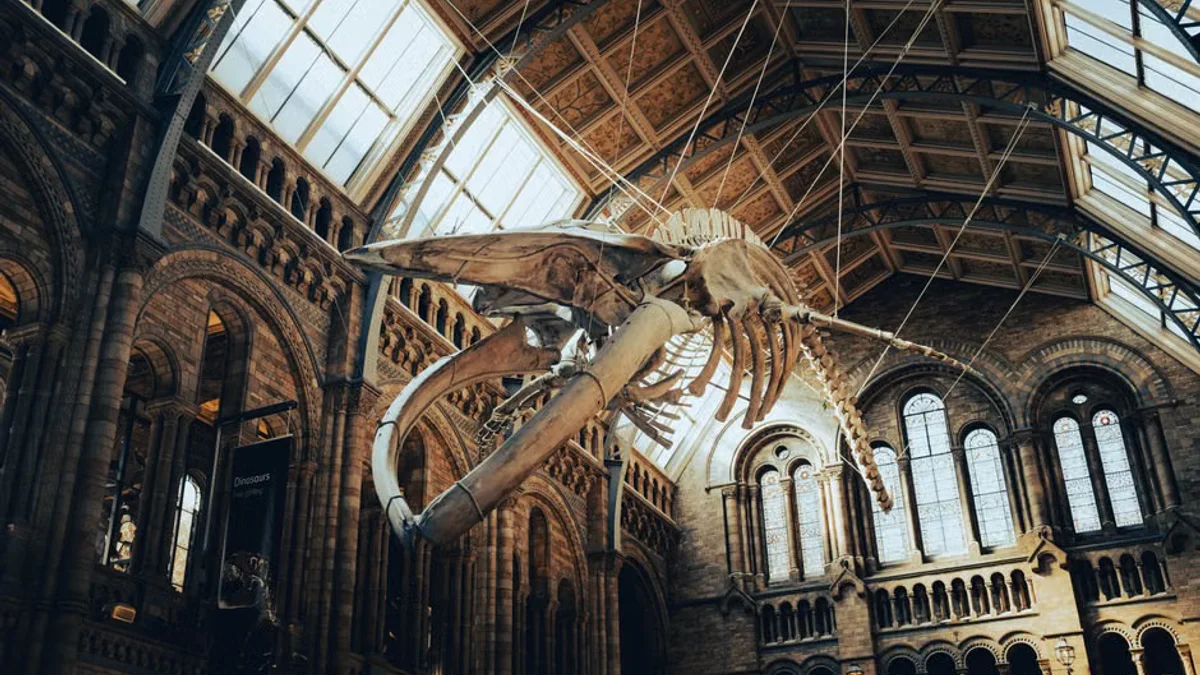
London — In response to shifting global cultural paradigms, the British Museum has unveiled a comprehensive modernization strategy designed to expand its reach beyond its historic London headquarters. The initiative, dubbed 'Museum Without Borders,' focuses on high-definition digital archiving, virtual reality exhibitions, and expanded artifact-sharing agreements with international partner institutions across North America, Europe, and Asia.
The institution has faced intense scrutiny in recent years regarding security protocols and the provenance of its vast collection. Leadership hopes that this transparent digital pivot will not only democratize access to world heritage but also foster collaborative dialogue regarding cultural stewardship. Curators are currently utilizing advanced photogrammetry to digitize millions of objects, allowing students, researchers, and history enthusiasts worldwide to examine artifacts down to the microscopic level.
Cultural economists note that digital accessibility has become a critical revenue and engagement driver for premier global museums. By offering tiered virtual memberships and interactive online lecture series, the British Museum is successfully tapping into younger, digitally native demographics who may never visit the physical galleries in person.
Key Highlights
- British Museum announces the 'Museum Without Borders' digital initiative.
- Advanced photogrammetry used to digitize millions of historical artifacts.
- New international partnerships aim to enhance global cultural exchange.
The transition underscores how traditional heritage institutions must innovate to maintain relevance in an increasingly digital and interconnected global economy.