In a significant policy shift reflecting the geopolitical dimensions of the artificial intelligence race, Beijing has announced comprehensive plans to implement export controls on advanced AI technologies. According to reports from regulatory bodies, the upcoming restrictions are designed to manage national security risks and protect domestic technological advantages on the global stage.
The proposed framework targets cutting-edge machine learning algorithms, specialized software architecture, and high-performance computing capabilities. As artificial intelligence becomes a cornerstone of modern economic and military power, governments worldwide are increasingly treating AI research and hardware as strategic assets subject to strict state oversight.
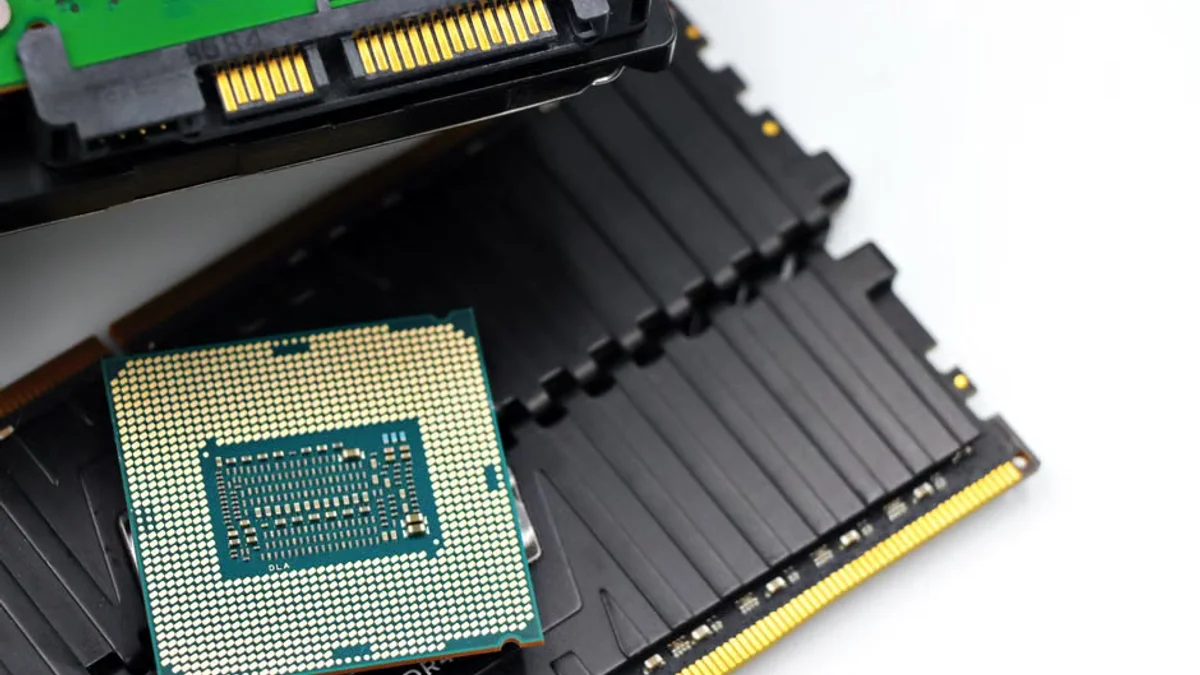
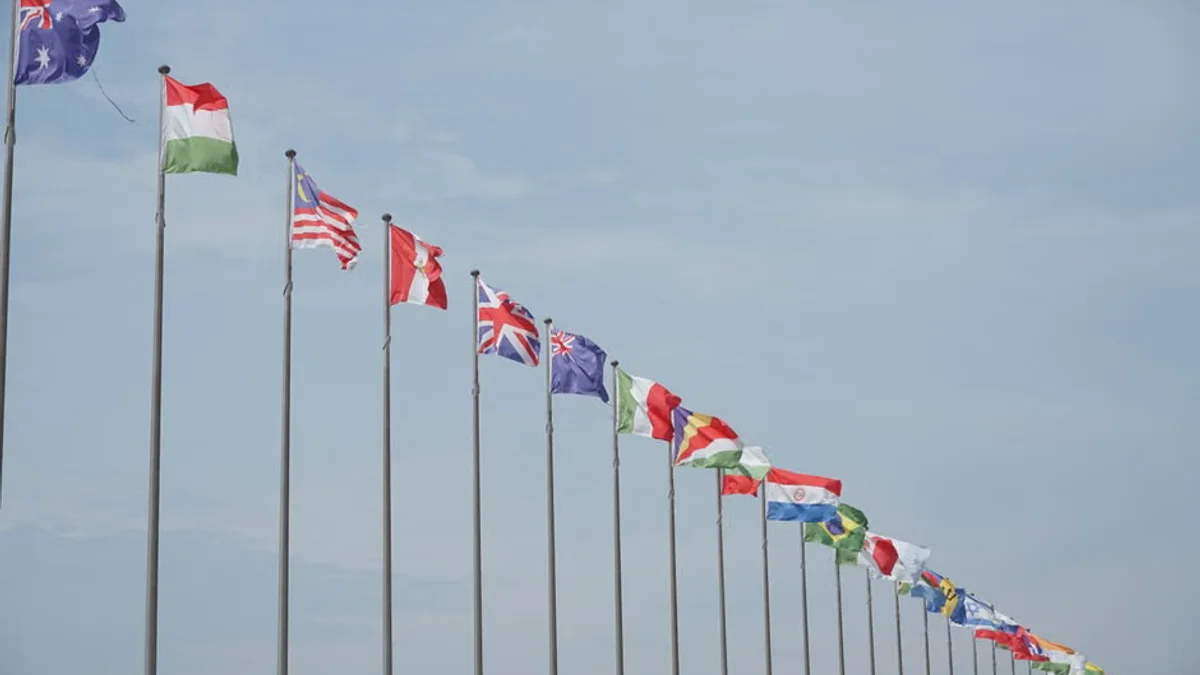
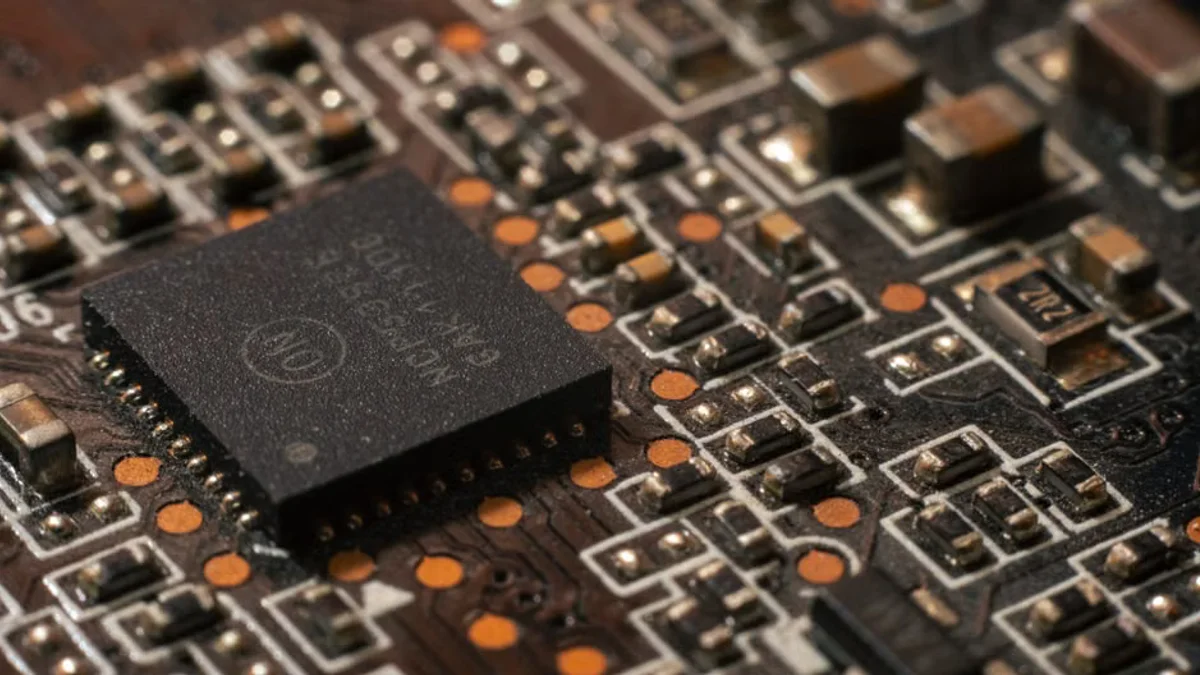
International trade experts note that China's move mirrors similar regulatory measures adopted by the United States and European Union, which have implemented strict curbs on semiconductor exports and advanced computing hardware destined for foreign markets. These regulatory actions collectively point toward a fragmented global technology ecosystem.
Global technology firms and multinational enterprises are currently assessing the potential compliance and supply chain implications of Beijing's proposed framework. Industry leaders warn that heightened regulatory friction could slow international research collaboration while accelerating the bifurcation of global tech standards.
Key Highlights
- China plans to implement strict export controls on advanced artificial intelligence technologies.
- The regulatory framework aims to manage national security risks and protect domestic tech assets.
- The move aligns with similar technology export restrictions enacted by Western governments.

As technological nationalism reshapes global commerce, the governance of artificial intelligence will remain a central arena of geopolitical competition and economic strategy.