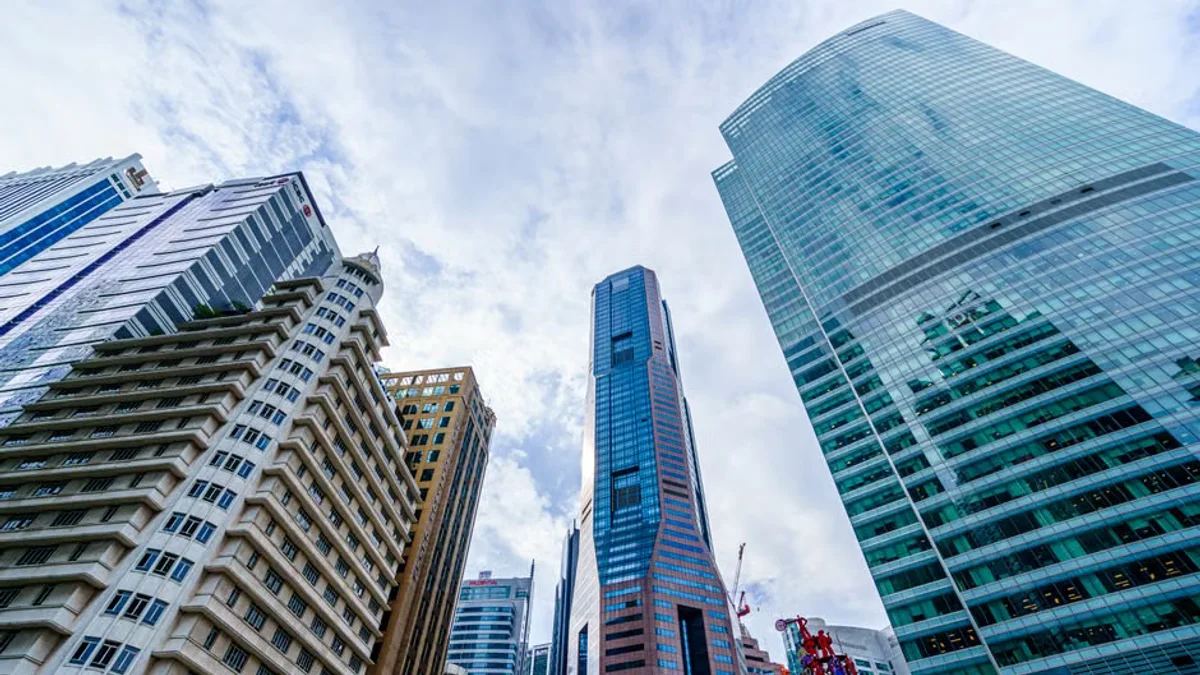
In a sweeping shift that is reverberating across global financial centers from Singapore to Hong Kong and Zurich, China’s super-rich are rapidly dismantling complex offshore trusts and liquidating overseas assets. According to recent reports, intensifying scrutiny from mainland tax authorities has left wealthy entrepreneurs scrambling to raise cash and bring capital back into domestic channels or secure compliant alternative structures.
For decades, ultra-high-net-worth individuals in China utilized foreign trusts, British Virgin Islands shell companies, and family offices as safe havens to protect accumulated wealth from regulatory volatility and domestic taxation. However, recent regulatory changes and closer international cooperation on tax transparency have effectively closed many of these traditional loopholes. Tax officials are now aggressively auditing overseas earnings, leaving affluent business owners facing steep back taxes and potential penalties.

'The era of frictionless offshore wealth preservation for Chinese billionaires is drawing to a close,' said a senior private wealth advisor based in Singapore. 'Clients are no longer asking how to hide or shield assets abroad; they are urgently seeking compliant ways to repatriate funds or manage liabilities before punitive measures escalate.' This frantic unwinding is expected to exert downward pressure on select international luxury real estate markets and alternative investment funds that traditionally relied heavily on Asian capital inflows.
Key Highlights
- Chinese billionaires are dismantling offshore trusts to comply with stricter domestic tax audits.
- Global private banking hubs like Singapore and Hong Kong report a surge in liquidation requests.
- The shift signals a permanent end to traditional opaque overseas wealth management for mainland elites.

As Beijing continues its emphasis on 'common prosperity' and stringent fiscal compliance, the landscape of Chinese private wealth is undergoing an irreversible transformation. Financial markets will closely monitor how this massive reallocation of capital impacts domestic liquidity and asset prices in the quarters ahead.