
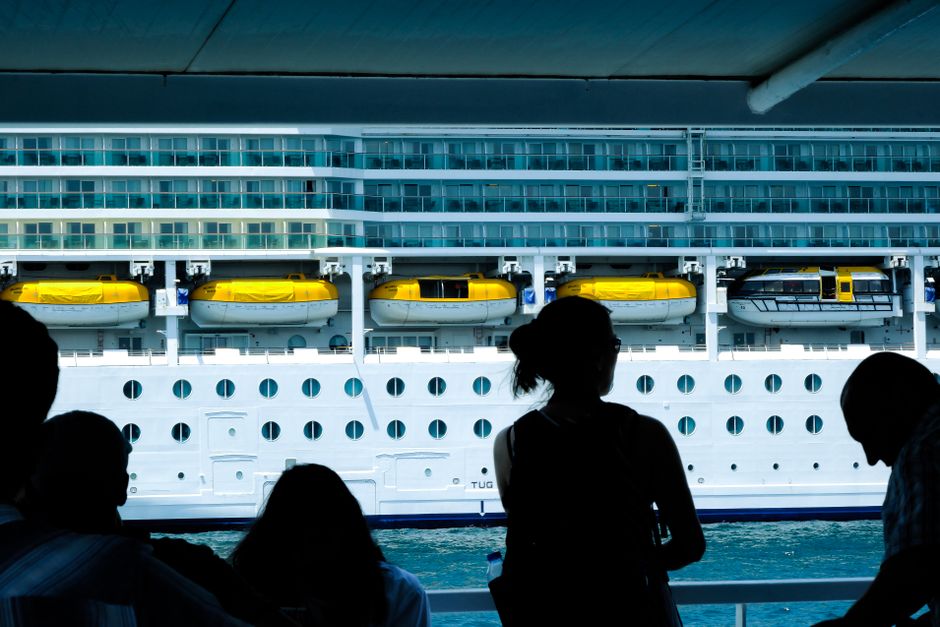
MIAMI — The global cruise sector is navigating a period of unprecedented transformation as cruise lines report record-breaking booking volumes while simultaneously racing to meet stringent decarbonization targets. International maritime authorities have introduced rigorous emission standards, compelling major operators to invest billions in liquefied natural gas (LNG), shore power connectivity, and advanced wastewater treatment systems.
Despite inflationary pressures and geopolitical uncertainties affecting global tourism, passenger demand has rebounded robustly across the Caribbean, Mediterranean, and Asian itineraries. Industry leaders emphasize that the future viability of the cruise economy depends heavily on technological innovation and adherence to international environmental pacts.
'We are witnessing a structural evolution in maritime tourism,' noted cruise industry analyst Sarah Jenkins. 'Environmental stewardship is no longer an optional corporate initiative; it is a fundamental license to operate in global waters.'
Key Highlights
- Record global passenger demand drives strong financial recovery in the maritime tourism sector.
- Strict international environmental regulations spur massive investments in green shipping tech.
- Operators adopt LNG propulsion and shore power to reduce carbon footprints.
As the industry charts its course forward, balancing commercial expansion with ecological responsibility will define the success of global cruise lines in the coming decade.


