Gobardhan Scheme Launch: A Milestone for Green Energy in India
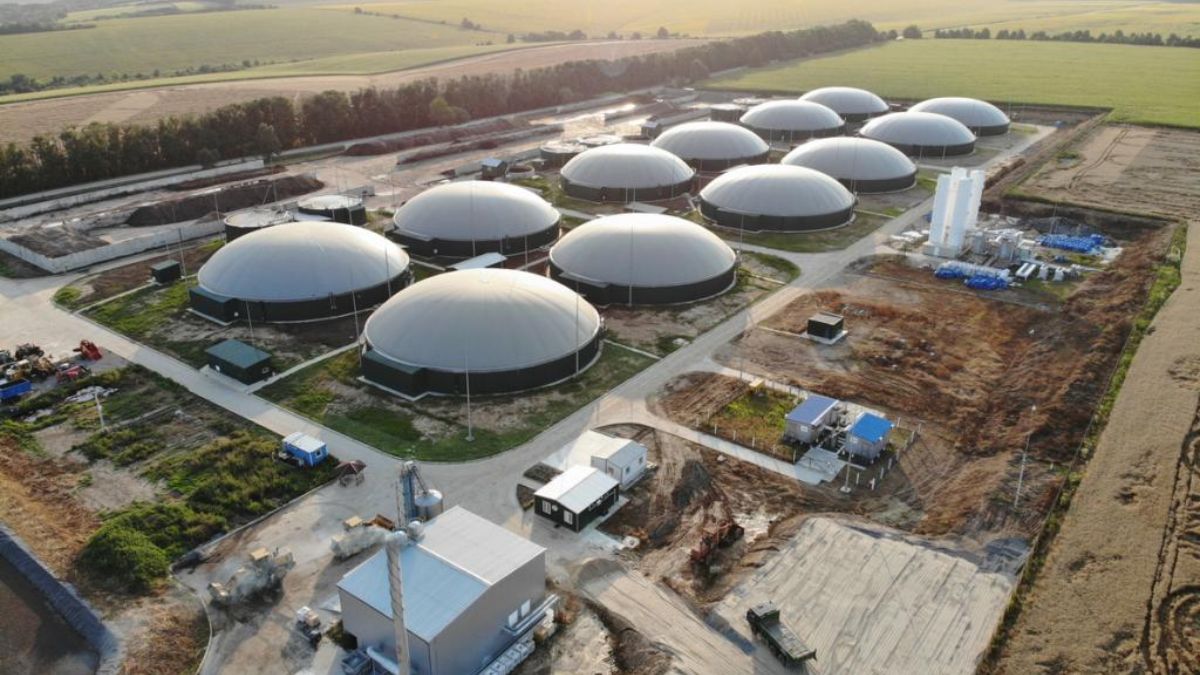
The central government has officially rolled out the ambitious 'Gobardhan Scheme' with a massive outlay of Rs 23,731 crore. The primary objective of this scheme is to promote compressed biogas (CBG) production across the country, create a favorable market for green energy projects, and encourage substantial private investment in the rural and semi-urban sectors.
According to guidelines issued by the Ministry of Petroleum and Natural Gas, this scheme will remain effective from the financial year 2026-27 to 2035-36. The program aims to scientifically manage animal dung, agricultural residue, and organic waste, converting them into clean energy and organic fertilizer, thereby reducing the nation's reliance on imported fossil fuels.
100 Percent Purchase Guarantee and Financial Security
To mitigate market uncertainties for investors and producers, the new framework allows eligible CBG producers to opt for a 100 percent assured purchase of their available gas for sale, subject to technical and operational feasibility. The gas supply will be integrated with City Gas Distribution (CGD) networks and consolidated through CBG clusters to feed into major pipelines.
Furthermore, the government has mandated gas marketing companies to blend CBG into their total CNG and domestic PNG supplies. The blending mandate is set at 3 percent in FY 2026-27, 4 percent in 2027-28, and will scale up to 5 percent from FY 2028-29 onwards, ensuring a stable and ready market for producers.
Administered Price Mechanism and Long-Term Stability
The government has fixed an administered price of Rs 2,110 per unit (MMBTU) for CBG, which roughly translates to Rs 98 per kilogram based on 95 percent methane content, excluding taxes and compression charges. This price will remain in effect until at least March 31, 2036, providing long-term revenue predictability for project developers.
"The Gobardhan scheme is a golden opportunity for rural entrepreneurs and farmers. Transforming waste into wealth will ensure sustainable energy security and boost rural economies." — Ministry of Petroleum and Natural Gas
Conclusion: A Greener and Self-Reliant Future
With six core pillars including capital support, pipeline infrastructure, and a dedicated challenge fund, the Gobardhan scheme is poised to revolutionize India's renewable energy landscape. By ensuring fixed pricing and mandatory blending, the government has laid a robust foundation for a sustainable, low-carbon economy.