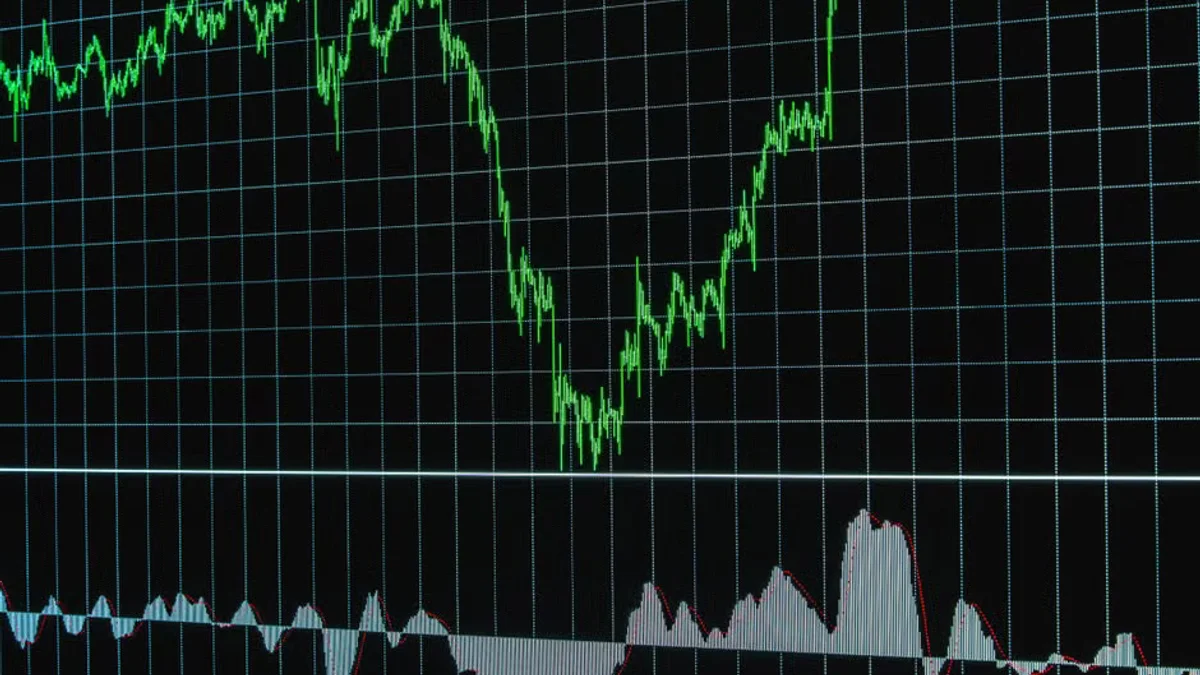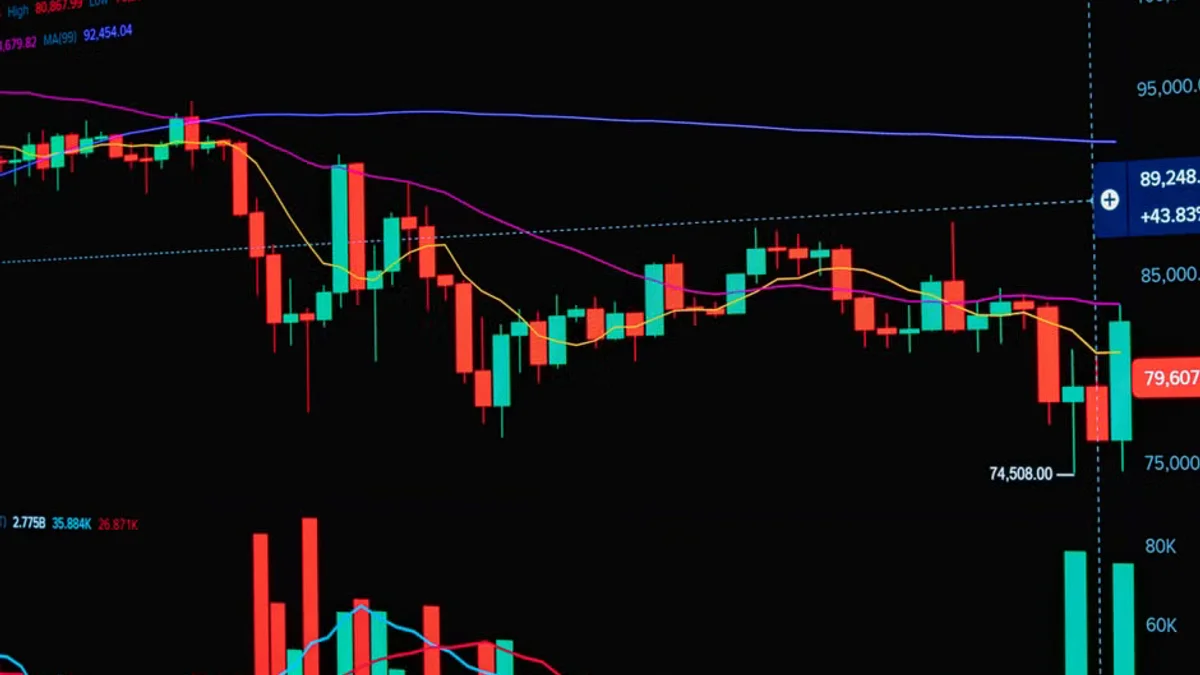

Financial markets across the globe experienced immediate turbulence today as reports emerged of a fresh military assault on a commercial oil tanker navigating critical Middle Eastern maritime chokepoints. Benchmark Brent crude and West Texas Intermediate (WTI) futures surged more than three percent within hours of the announcement, while United States stock index futures tumbled sharply in response to renewed supply chain vulnerability fears.
Wall Street economists and energy analysts warn that any escalation in maritime security threats within the region could severely disrupt petroleum flows, injecting fresh inflationary pressures into an already fragile global economy. Central bankers, who have been carefully managing interest rate trajectories, now face the prospect of energy-driven price spikes complicating monetary policy decisions.
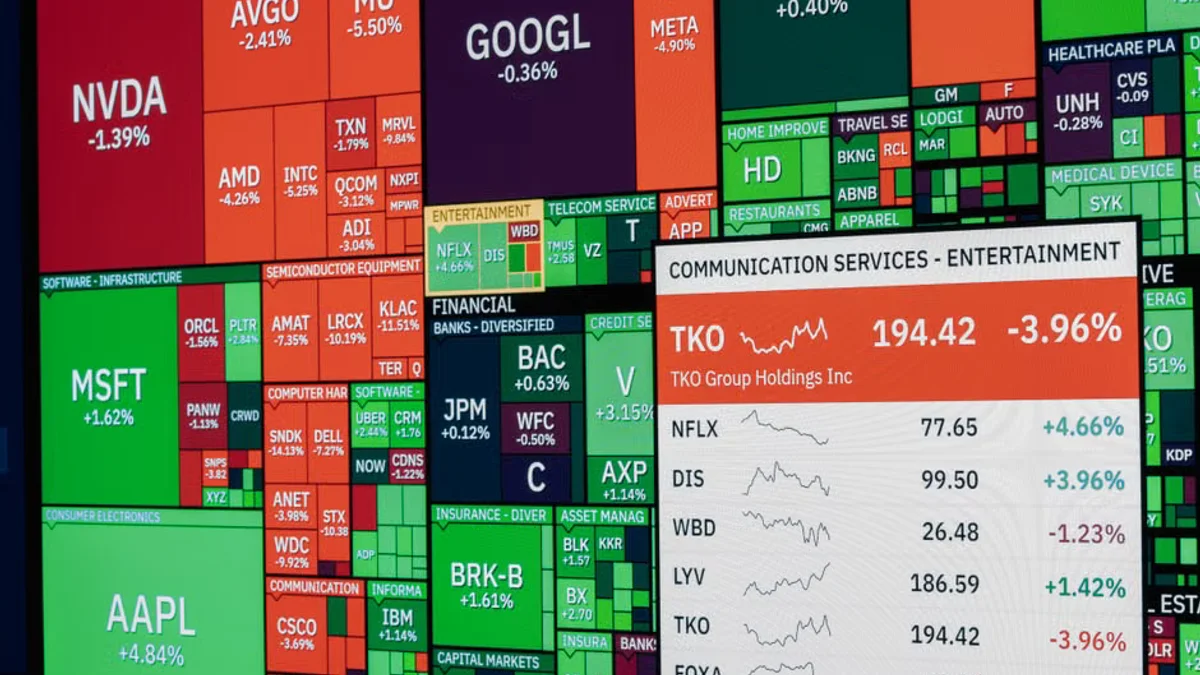
Defense and shipping equities saw considerable defensive buying, whereas airline, manufacturing, and consumer discretionary sectors bore the brunt of the market sell-off. Governments and international maritime organizations have convened emergency sessions to coordinate protective convoy measures and secure vital commercial trade corridors.
Market volatility is expected to remain elevated as investors await official casualty reports, diplomatic interventions, and further assessments from intelligence agencies regarding the perpetrators of the strike. The incident starkly illustrates how localized geopolitical conflicts continue to pose systemic risks to international commerce.
Key Highlights
- Crude oil prices surge following a fresh maritime attack on a commercial tanker.
- Dow Jones futures slide as investors price in heightened geopolitical and supply risks.
- Central banks face potential inflationary pressures from rising energy commodity costs.

Global financial stability remains intimately tied to maritime security in key strategic trade arteries, demanding constant vigilance from policymakers and market participants alike.