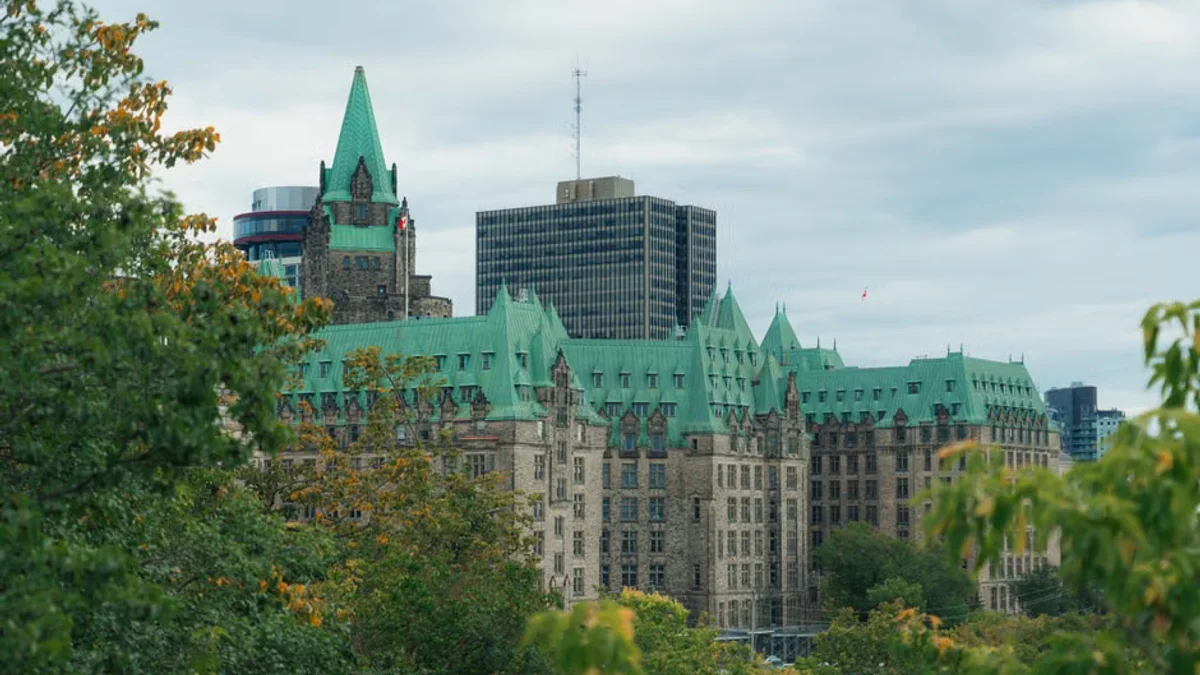
Québec City — The dust is settling on a fiercely contested electoral cycle in Québec, with final results signaling a profound realignment of voter sentiment across urban centers and regional ridings. Party leaders are already pivoting from campaign mode to legislative strategy as they prepare to address pressing socioeconomic challenges, including inflation, affordable housing, and healthcare accessibility.
Political analysts note that the outcome reflects nuanced voter priorities, balancing demands for fiscal responsibility with expectations for enhanced public service delivery. Debates surrounding provincial autonomy, language legislation, and green energy transitions featured prominently during the campaign and remain central to the incoming legislative agenda.
Federal officials in Ottawa are closely monitoring the political shift in Québec, recognizing that provincial cooperation will be critical for executing national infrastructure, immigration, and environmental agreements. Meanwhile, opposition parties are recalibrating their platforms to hold the newly configured government accountable in the National Assembly.
As Québec embarks on this new political chapter, policymakers face the dual imperative of delivering on electoral promises while uniting a diverse electorate behind a shared economic vision.
Key Highlights
- Québec election results reveal significant voter shifts across urban and regional constituencies.
- Incoming administration faces immediate pressure on healthcare, housing, and inflation.
- Federal-provincial relations and provincial autonomy remain top priorities in the legislative agenda.
The success of the new government will depend on its ability to forge consensus and navigate complex fiscal realities in the months ahead.