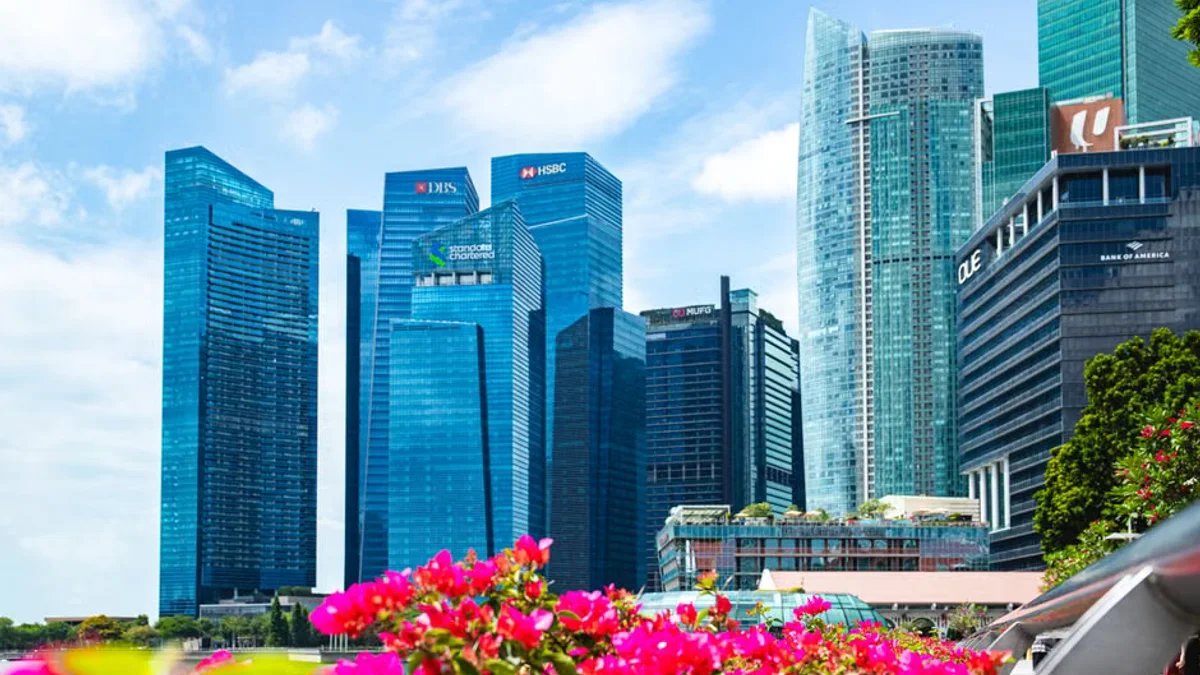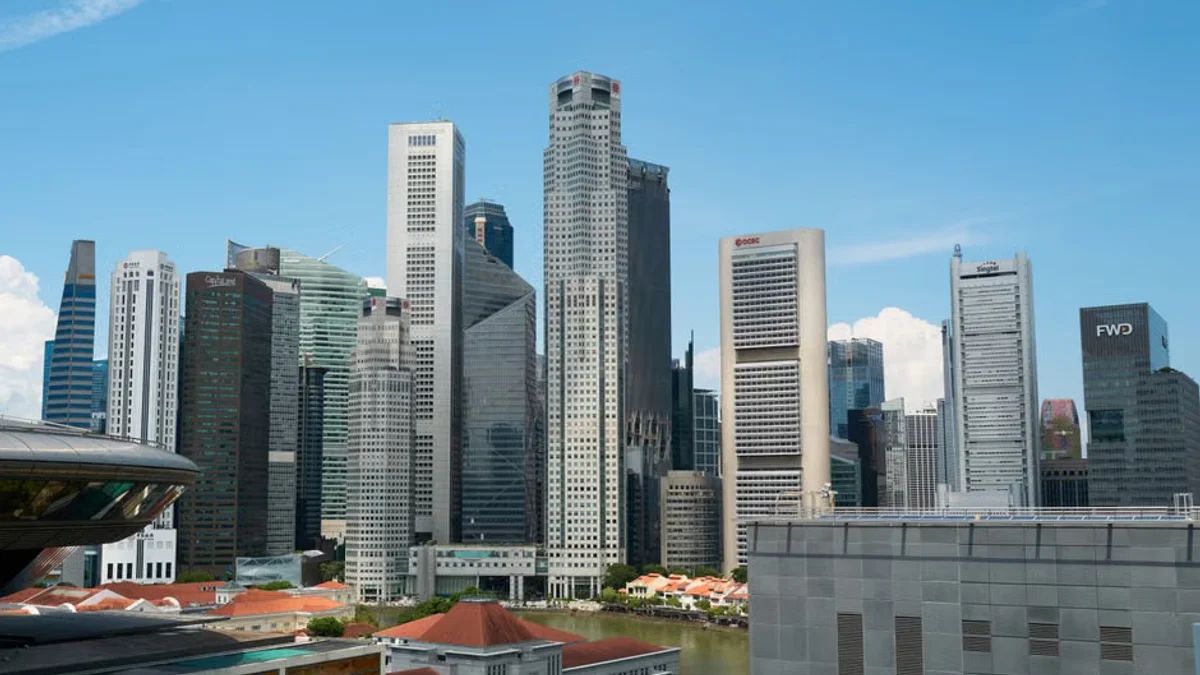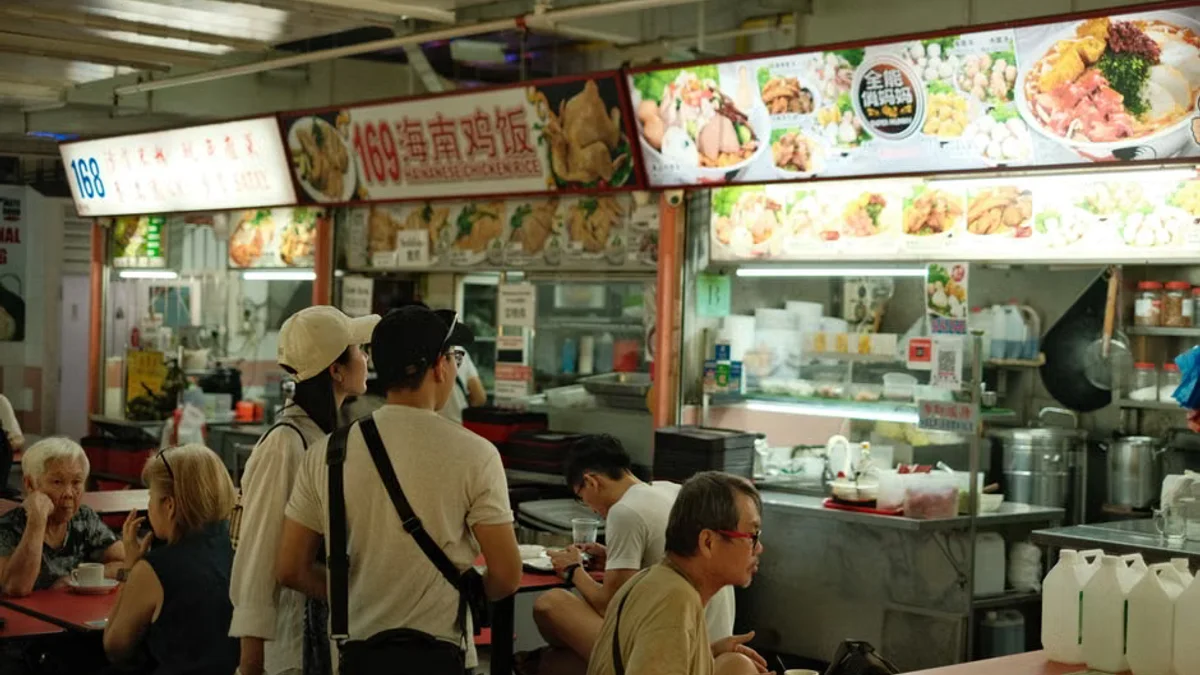
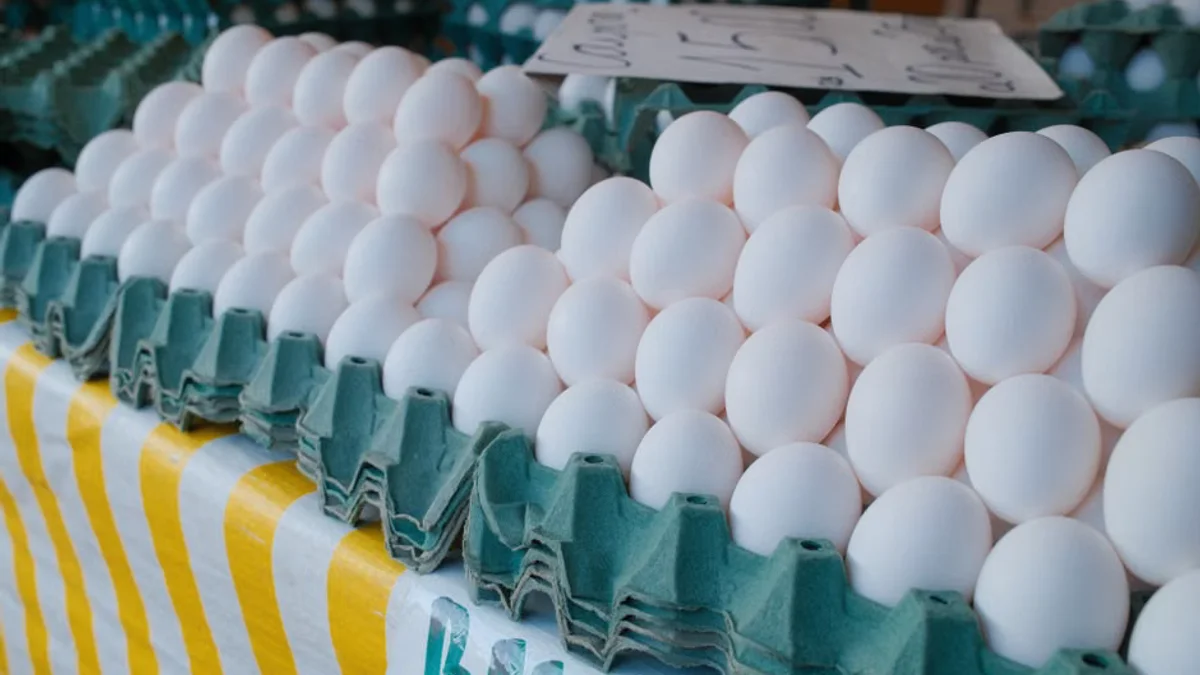
Singapore's food security framework faces a fresh test amid shifting global supply chain pressures, bringing basic agricultural commodities like eggs into sharp focus for policymakers and consumers alike. As a nation that imports over 90% of its food supply, the city-state relies heavily on a diversified network of international partners across Asia and Europe to insulate local markets from sudden price spikes and production shortfalls.
Recent market evaluations indicate that local distributors are actively expanding their sourcing agreements beyond traditional partners, incorporating advanced cold-chain logistics and smart inventory management. These measures are designed to mitigate the risks posed by extreme weather patterns, avian health concerns in exporting nations, and broader macroeconomic volatility impacting freight costs.

Consumer advocacy groups have praised the proactive stance taken by the Singapore Food Agency (SFA), noting that strategic stockpiling and transparent supply channels have successfully cushioned households from severe inflationary shocks. However, economists warn that sustained global pressures on feed grain prices and energy expenses will continue to challenge domestic cost structures.
Key Highlights
- Singapore continues to diversify its import sources to ensure stable daily commodity availability.
- Advanced cold-chain logistics play a critical role in minimizing transit spoilage and waste.
- Strategic national stockpiles act as a robust buffer against unexpected international supply disruptions.

Ultimately, Singapore's meticulous approach to managing fundamental imports serves as a benchmark for small, open economies navigating an increasingly unpredictable global trade landscape.