
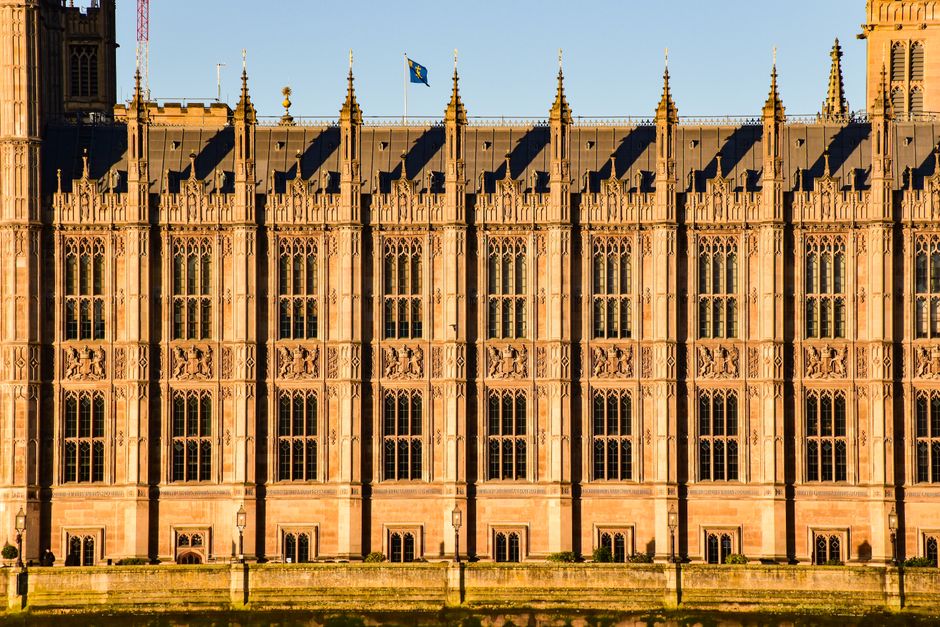
LONDON — The future of the United Kingdom's state pension 'triple lock' policy has once again taken center stage in Westminster, as fiscal policy experts and government officials weigh its long-term economic sustainability. The mechanism, which ensures state pensions rise in line with inflation, average earnings, or 2.5%—whichever is highest—has become a cornerstone of retirement security in Britain.
However, ballooning public expenditures and sluggish economic growth have renewed calls from economists and opposition figures for a comprehensive review of the formula. Proponents of reform argue that maintaining the triple lock places an unsustainable burden on public finances, particularly as the nation's demographic profile ages rapidly. Conversely, defenders of the policy insist it is essential for protecting vulnerable pensioners from the ongoing impacts of cost-of-living pressures and high inflation.
The debate underscores the difficult balancing act facing Chancellor and treasury officials as they prepare upcoming fiscal statements. Decisions made regarding the triple lock will carry profound political implications, directly affecting millions of voters across the UK.
Key Highlights
- The state pension triple lock guarantees increases based on inflation, earnings, or 2.5%.
- Fiscal experts warn of long-term economic pressures and unsustainable public spending.
- Pension advocacy groups stress the critical role of the lock in preventing elderly poverty.
As policymakers navigate these competing priorities, finding a sustainable consensus on retirement funding remains one of the defining domestic challenges for the British government.
