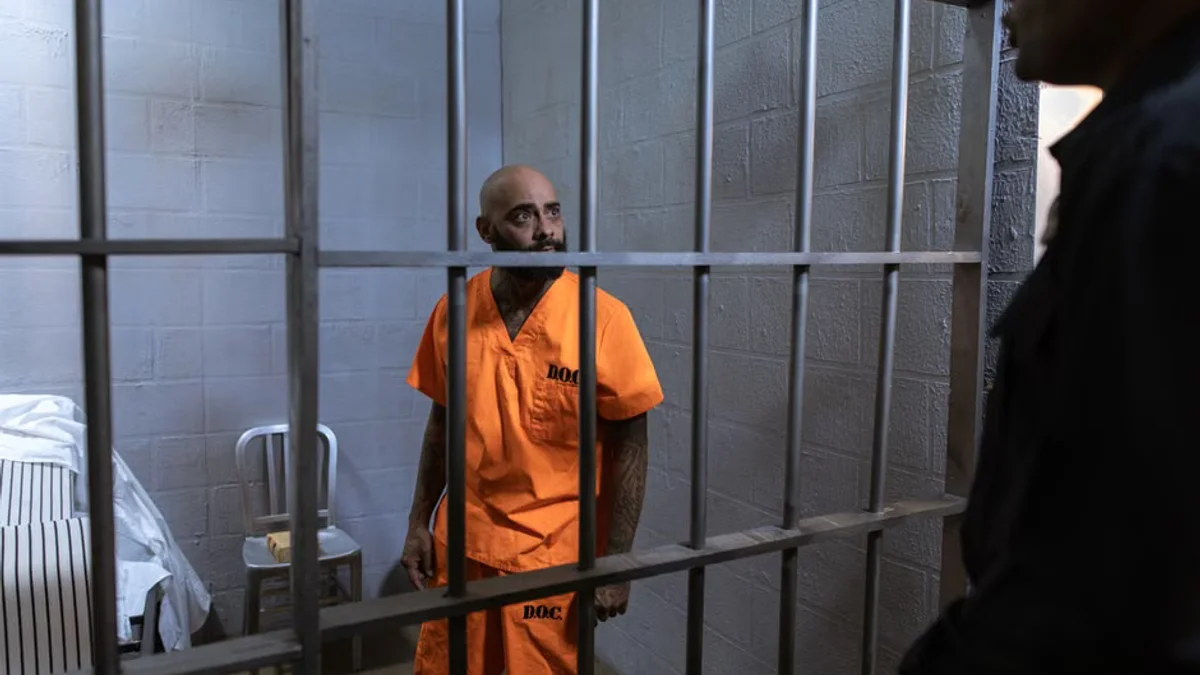
Decades after the drive-by shooting that claimed the life of hip-hop legend Tupac Shakur in Las Vegas, the long-standing legal battle has reached a pivotal juncture. Duane 'Keffe D' Davis has been formally sentenced, marking a historic milestone in a case that has fascinated and haunted the global music community since 1996.
Shakur, who was only 25 years old at the time of his death, remains one of the most influential figures in contemporary music. The sentencing of Davis—the self-proclaimed orchestrator of the shooting—shines a renewed spotlight on the gang dynamics and systemic failures that surrounded the initial investigation. Prosecutors argued that Davis provided the weapon and directed the confrontation that ultimately ended Shakur's life.

During the sentencing hearing, family members, longtime collaborators, and cultural historians reflected on the enduring legacy of Tupac Shakur. Beyond his musical brilliance, Shakur’s poetry, political activism, and raw portrayal of inner-city America continue to resonate with generations of fans worldwide. While the legal proceedings cannot reverse the tragedy, many in the entertainment industry view the verdict as a vital acknowledgment of accountability.
Key Highlights
- Duane 'Keffe D' Davis sentenced in the 1996 murder of Tupac Shakur.
- The case represents a breakthrough after decades of stagnation in the high-profile investigation.
- Tupac Shakur's legacy as a cultural and musical icon remains as influential as ever.

As this chapter of the investigation draws to a close, the focus shifts entirely to preserving Shakur's artistic contributions and ensuring that his profound influence on global culture is never forgotten.