LOS ANGELES — Emmy- and SAG-winning actress Jennifer Aniston has ignited a broad industry conversation after delivering an incisive reflection on the evolving dynamics of modern Hollywood, confronting persistent double standards surrounding ageism while evaluating how global streaming platforms are reshaping character-driven storytelling.
Speaking during an exclusive retrospective interview and panel discussion, Aniston addressed the historic pressures faced by women in entertainment as they transition into mature, complex roles. Having maintained an influential presence in international television and cinema for over three decades—from the groundbreaking sitcom era of 'Friends' to her executive-produced critically acclaimed drama series 'The Morning Show'—Aniston emphasized that experienced creative voices are finally carving out sustainable agency in producing their own narratives.

'There was an era when an arbitrary number dictated the trajectory of an actress’s creative horizon,' Aniston noted. 'Today, women are writing, directing, financing, and leading projects that confront institutional complexity with authenticity. Audiences want stories that reflect lived reality rather than an artificial, transient standard of youth.'
Industry analysts point out that Aniston's production banner, Echo Films, has been instrumental in backing female-led projects that achieve both critical acclaim and strong subscriber viewership across major streaming ecosystems. Her recent observations come at a transformative moment for entertainment media, as traditional Hollywood studios recalibrate production spending amid shifting theatrical box-office economics and an intensifying battle for streaming retention.
Key Highlights
- Jennifer Aniston critiques persistent ageism and gender double standards across major film studios.
- Advocates for greater creative and executive ownership by seasoned female artists in production.
- Highlights the transition from traditional linear broadcasting to high-budget premium streaming dramas.
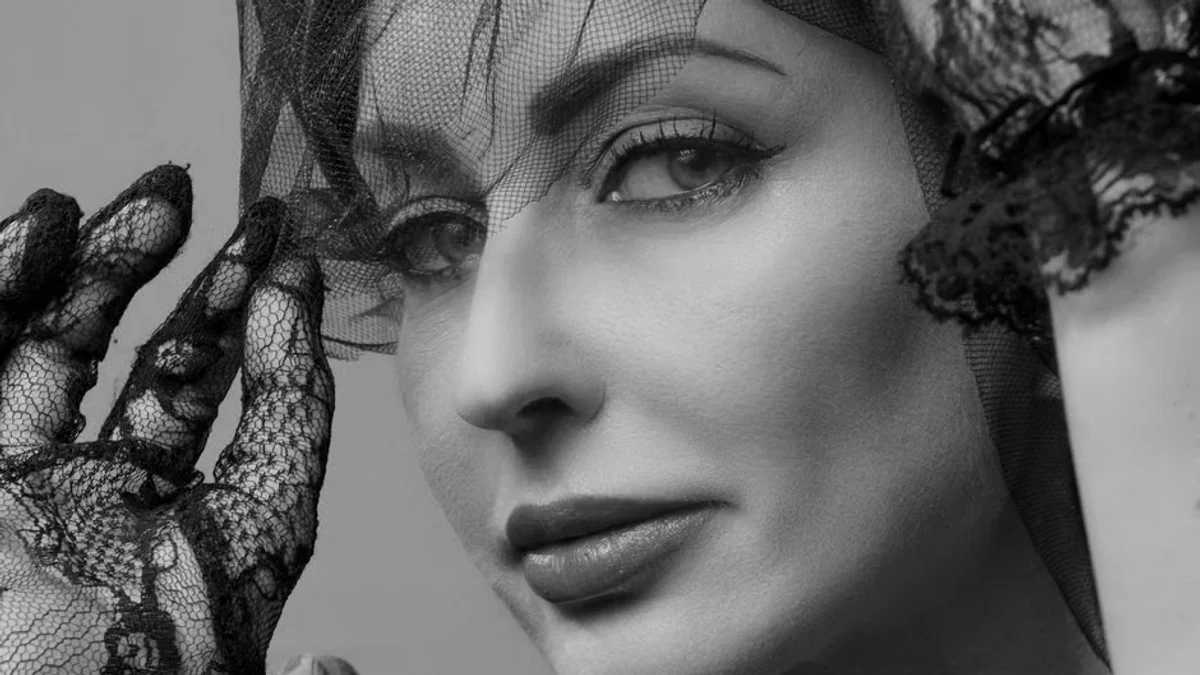
Aniston’s willingness to challenge legacy studio perceptions reinforces her standing not only as a cultural icon, but also as a powerful industry leader shaping equitable employment practices and sophisticated creative projects for future generations.