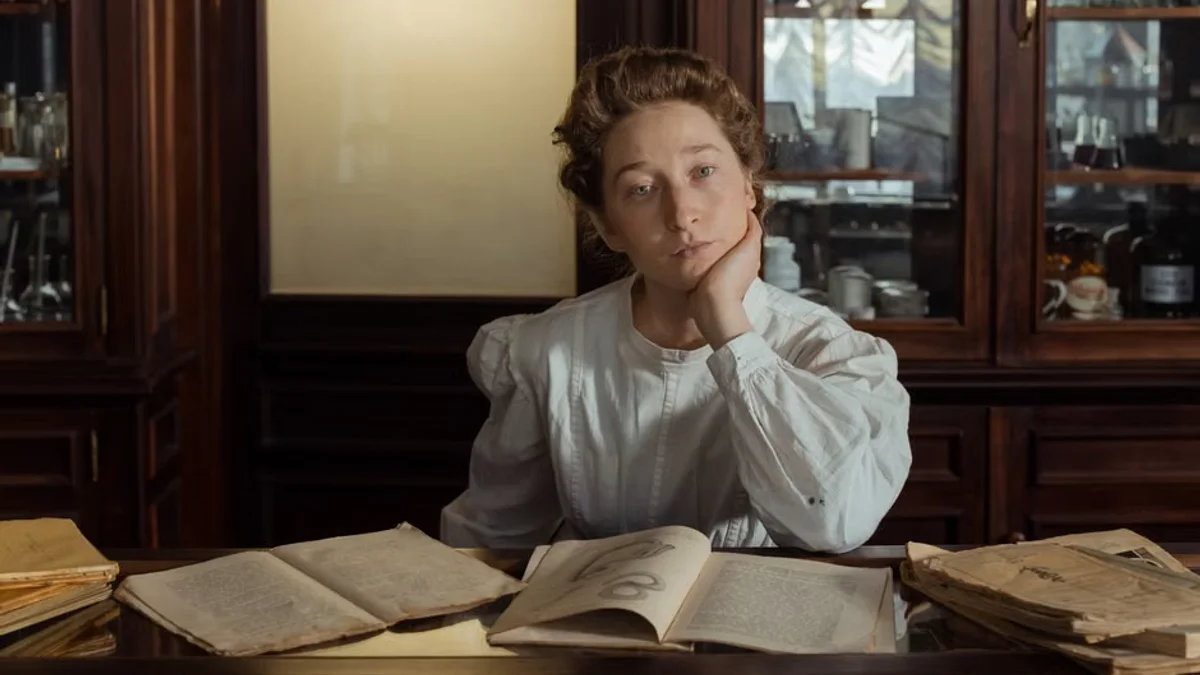
Jane Austen adaptations remain a gold standard for prestige period drama, and the release of the 2026 cinematic retelling of Sense and Sensibility has ignited passionate discourse across cultural desks worldwide. Audiences and critics alike have immediately drawn comparisons to Ang Lee’s 1995 iconic film adaptation, which starred Emma Thompson, Kate Winslet, and Alan Rickman—a benchmark widely considered untouchable in cinematic history.
The 2026 adaptation deliberately diverges from its predecessor by leaning heavily into a more visceral, modern psychological framing of the Dashwood sisters' financial precarity and romantic entrapments. While the 1995 classic relied on lush pastoral aesthetics and gentle comedic timing, the latest iteration injects a sharper, more urgent rhythm, updating the dialogue to resonate with contemporary conversations surrounding socioeconomic independence and gender roles.
Cinematographers and production designers for the new project have opted for a grittier, less romanticized vision of 19th-century England, emphasizing the mud, chill, and claustrophobia of Regency society. Film critics have praised the daring stylistic choices, even as purists fiercely debate whether the emotional subtlety of Austen's original prose was compromised in pursuit of modern cinematic immediacy.
Key Highlights
- The 2026 film provides a gritty, modern psychological take on Austen's classic novel.
- Comparisons to the 1995 Emma Thompson-scripted masterpiece remain inevitable and intense.
- Direction focuses on the harsher economic realities faced by women in Regency England.

Ultimately, the 2026 adaptation proves that classic literature retains infinite elasticity, inviting subsequent generations to project their contemporary anxieties onto timeless tales of love, duty, and emotional restraint.