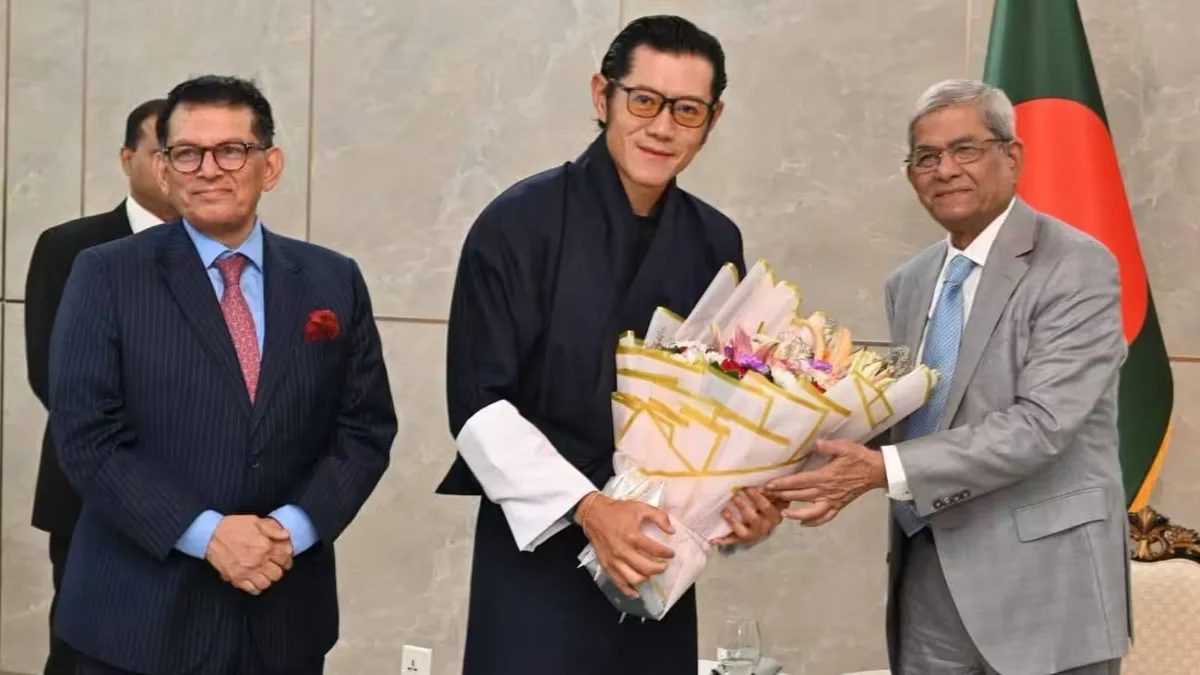
The diplomatic corridors of South Asia are currently abuzz with intense activity following the frequent visits of Bhutan's King Jigme Khesar Namgyel Wangchuck to Bangladesh. These sudden high-level trips have prompted political analysts to re-evaluate the changing diplomatic equations in India's immediate neighborhood.
With political transitions and evolving governance landscapes in South Asia, regional relationships are undergoing a noticeable shift. In this sensitive environment, the deepening engagement between Dhaka and Thimphu carries profound geopolitical and economic implications that extend far beyond bilateral courtesy.
Strengthening Trade Corridors and Connectivity
Economic cooperation and transit facilities remain at the forefront of these high-level discussions. Being a landlocked nation, Bhutan constantly seeks efficient trade routes and port access to expand its commercial footprint globally. Bangladesh offers viable maritime alternatives that could significantly boost Bhutanese imports and exports.
Recent dialogues between the leaderships of both nations have centered around improving regional connectivity, utilizing waterways, and streamlining transit protocols. These measures aim to create mutual economic benefits and open up new markets for both economies.
Strategic Perspectives and Regional Stability
India and Bhutan share a uniquely close and historic partnership built on deep trust and mutual cooperation. While Thimphu maintains an independent and balanced foreign policy, New Delhi closely observes these evolving regional dynamics to ensure regional security and stability.
Foreign policy experts suggest that Bhutan's outreach to neighboring nations reflects a pragmatic approach toward economic development and diversification, without compromising its foundational strategic alliances in the region.