Pakistan Returns to a Major Global Financial Role

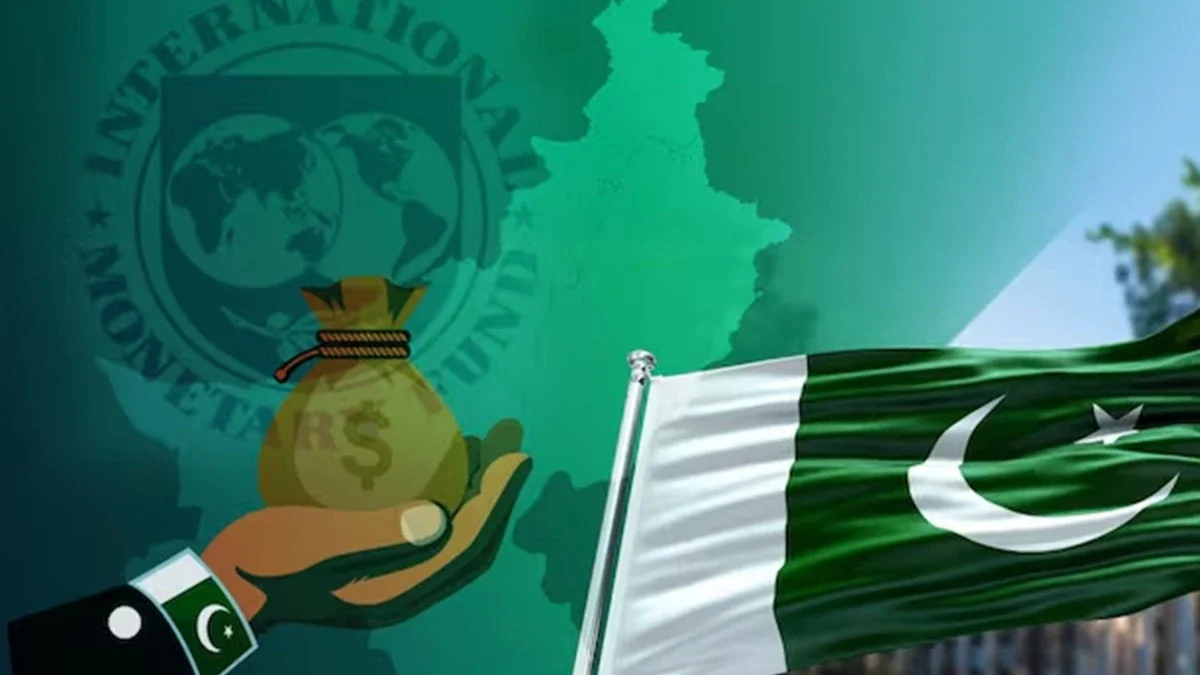
In a surprising turn of events for international diplomacy, Pakistan has been nominated to serve as the upcoming chair of the Board of Governors for the International Monetary Fund (IMF) and the World Bank Group for the year 2027. The announcement was officially made by Pakistan's Ministry of Economic Affairs, marking the country's return to this prestigious position for the first time since 1953.
The formal nomination took place during the plenary session of the 2026 World Bank-IMF Annual Meetings held in Bangkok. While the position primarily involves presiding over high-level sessions attended by global finance ministers and central bank governors, it has sparked considerable discussion given Pakistan's ongoing economic struggles and heavy reliance on international financial bailouts.
Ahad Khan Cheema Takes Charge
Pakistan's Minister for Economic Affairs and the country's Governor at the World Bank, Ahad Khan Cheema, was formally announced as the future chair during the gatherings in Bangkok. The Pakistani government has hailed the development as a historic milestone that will allow the nation to contribute meaningfully to global economic and development dialogues.

Despite the ceremonial and administrative nature of the role—which does not grant direct authority over loan disbursements—Islamabad views this as an opportunity to elevate its diplomatic standing on the global stage. However, financial analysts point out that holding this chair does not alleviate the country's domestic fiscal pressures or its continuous need for external financial stabilization.
The Paradox of Heavy Debt and Global Leadership
The contrast between Pakistan's new global responsibility and its domestic economic reality is stark. The country has been navigating a 7 billion dollar Extended Fund Facility (EFF) program with the IMF to address severe balance-of-payment challenges and support structural reforms. Additionally, Islamabad is engaged in securing funds under the Resilience and Sustainability Facility (RSF) to manage climate-related economic vulnerabilities.
"This presidency will provide Pakistan an opportunity to contribute to global economic and development discussions and foster constructive dialogue among member nations." — Ministry of Economic Affairs, Pakistan
While Pakistani authorities await the final executive board approval for an additional disbursement of approximately 1.2 billion dollars under ongoing reviews, international financial institutions continue to warn about the structural instabilities within Pakistan's economy, characterized by low productivity and high public consumption.