
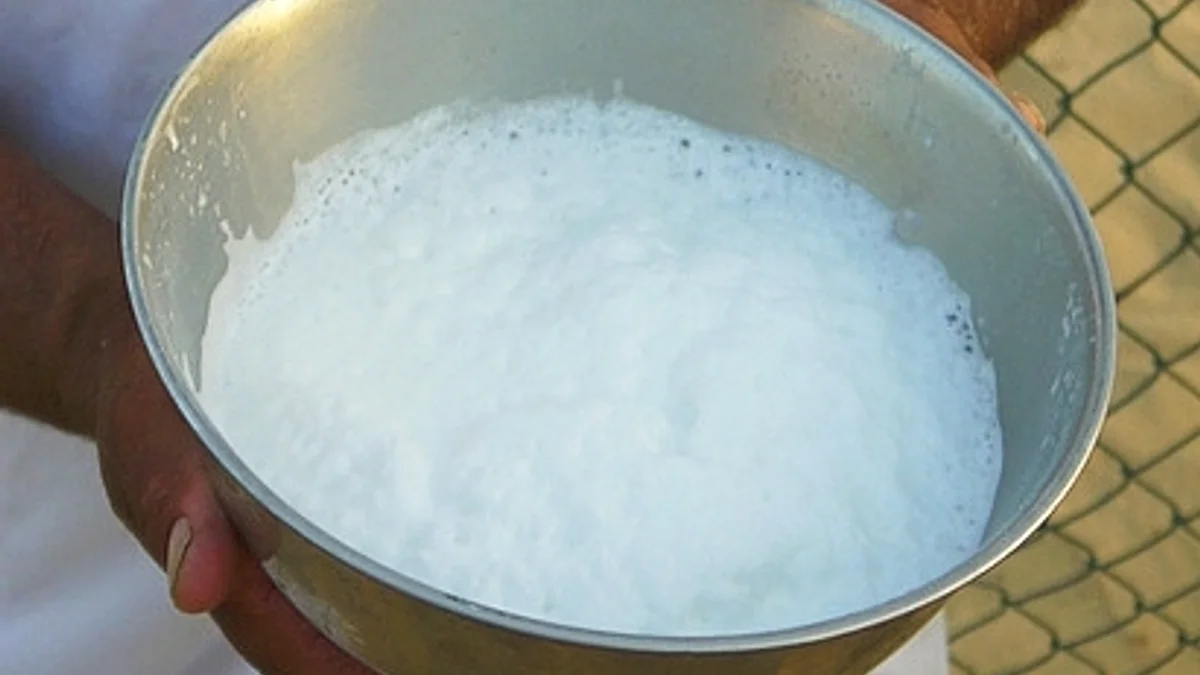
Milk cream, commonly known as 'malai', is frequently collected after boiling milk to extract traditional ghee or to enrich various culinary dishes. However, if you limit its use only to cooking, you are missing out on a wide range of incredible beauty and wellness benefits that have been passed down through generations.
Traditional Beauty and Wellness Uses
In ancient times, people used milk cream extensively for skin softening and various homemade care routines. While it may not suit every skin type, incorporating malai mindfully can offer surprising benefits for your daily care regimen:
- Hand Care for Dry Skin: During winters or after frequent handwashing, skin can feel parched. Applying a small amount of malai can help soften dry hands, though sensitive or acne-prone skin types should exercise caution.
- Homemade Foot Pack: For rough or dry heels, milk cream works as a nourishing foot pack. Apply it for a short duration before washing off, avoiding open wounds or deep cracks.
- Facial Softening: Applying malai to the face has been a popular traditional trick to impart a soft texture. However, those with oily or acne-prone skin should avoid it to prevent breakouts.
- Nourishing Hair Mask: If your hair ends feel extremely dry, malai can act as a natural conditioner. Apply it to the hair lengths rather than the scalp, and wash thoroughly with a mild shampoo.
What to Avoid Using Malai On
While milk cream is beneficial for certain beauty routines, you should avoid applying it on leather items or wooden furniture. The fats and moisture in malai can leave stubborn greasy stains, bad odors, and ruin the texture of wood and leather over time.
'The Freelance' does not independently verify the absolute efficacy of all traditional claims mentioned in this viral lifestyle report. Content courtesy: Respective social media creators and traditional wellness archives.


Health & Lifestyle Desk, The Freelance
Verified Editorial DeskHealth, Wellness & Lifestyle Reporting Team
Delivering verified health advisories, medical research summaries, wellness insights, and lifestyle trends vetted by scientific evidence. We are committed to unbiased, factual journalism based on verified agencies, official statements, and on-the-ground correspondents.