A Rare Cosmic Treat: Spotting the Andromeda Galaxy Without a Telescope
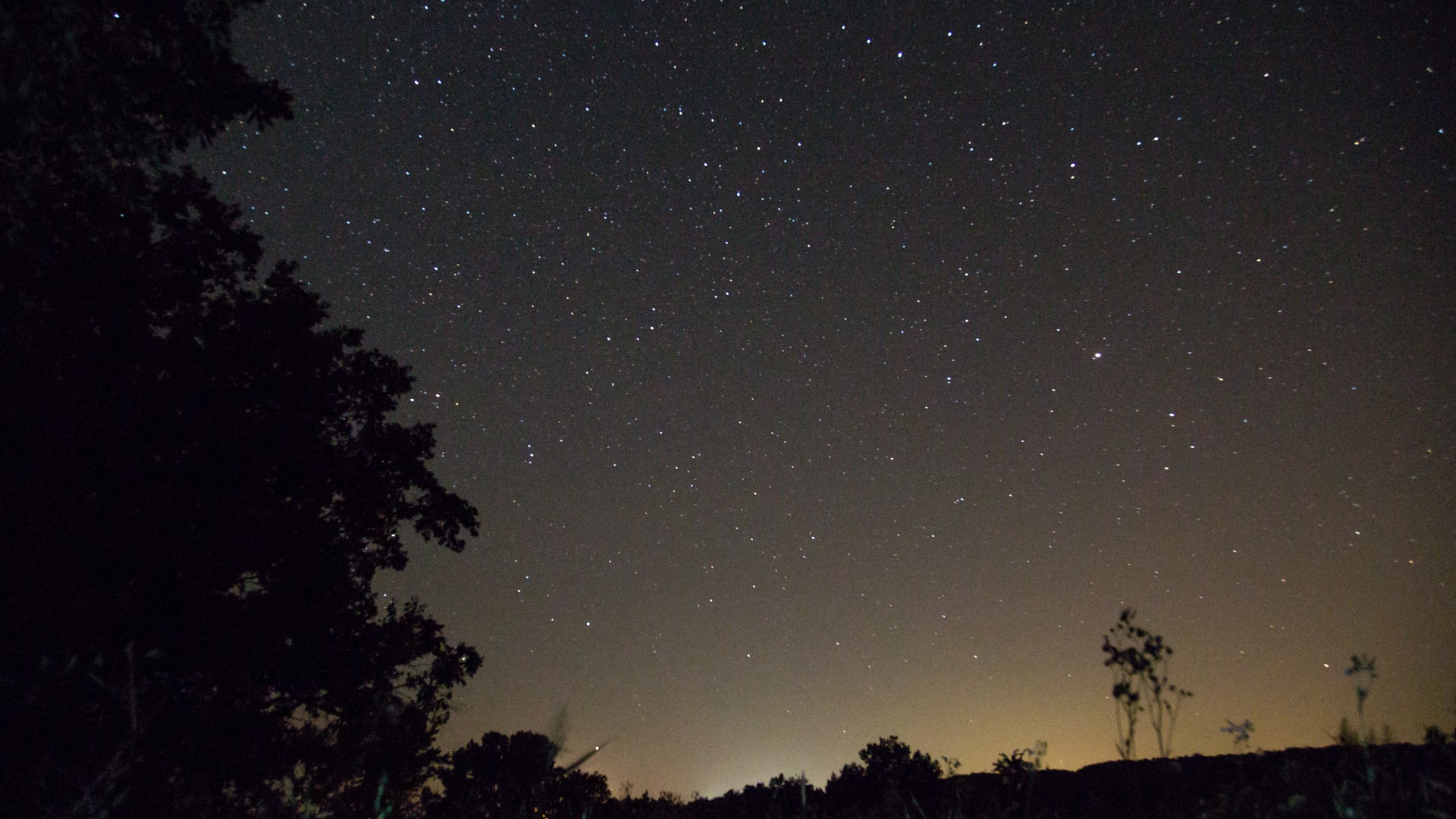
Stargazers and astronomy enthusiasts are in for a breathtaking celestial spectacle tonight as the Andromeda Galaxy (M31) makes its most prominent appearance of the season. According to space experts and astronomical societies, current atmospheric conditions provide an ideal window to observe one of the most distant objects visible to the human eye without any professional equipment.
Situated roughly 2.5 million light-years away from our planet, Andromeda shines brightly in the autumn night sky. Observers away from heavy urban light pollution can catch a glimpse of this magnificent spiral galaxy simply by looking up towards the eastern horizon after dusk, as it gradually climbs higher towards the zenith around midnight.
This stellar phenomenon offers a profound reminder of the immense scale of our universe. The faint light hitting our eyes tonight began its incredible journey across the cosmos long before human civilization ever took root on Earth.
Understanding the Celestial Geometry and Best Viewing Times
To get the best view of the Andromeda Galaxy, timing is crucial. The galaxy emerges from the eastern direction shortly after sunset and reaches its highest point in the night sky by midnight, before slowly shifting towards the northwest as dawn approaches.
While binoculars can enhance the experience by revealing more details of its sprawling spiral arms, no complex equipment is mandatory. Finding a dark sky location away from city lights remains the single most important factor for an optimal viewing experience.
"Witnessing the Andromeda galaxy with the naked eye connects us directly to the ancient and vast expanse of the universe, reminding us of how small yet remarkable our existence truly is." — Dr. Alok Ranjan, Senior Astronomer