The Controversy Surrounding Cultural Events in Badrinath Dham
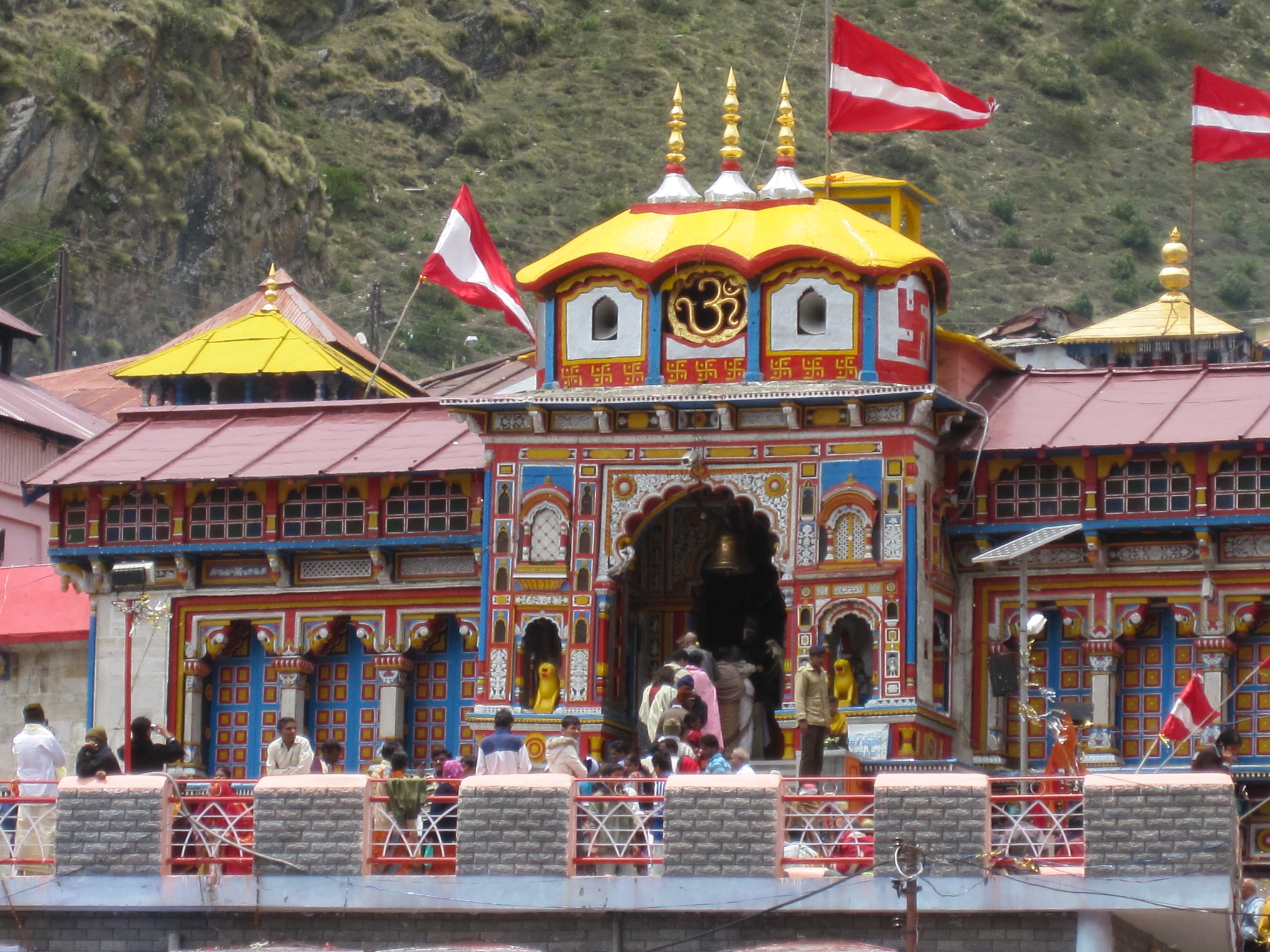
Badrinath Dham, one of the most revered spiritual centers in the Himalayas, has found itself at the center of a fresh controversy. Instead of routine pilgrimage updates, discussions are now revolving around a cultural festival recently organized within the Badrinath Dham area, specifically near the arrival plaza. While the primary objective of the event was reportedly to showcase local culture, traditional attire, and the prowess of the armed forces, the execution of the program has drawn sharp criticism from various religious quarters and social activists.
Critics argue that conducting music and dance performances in a region sanctified by the ancient penance of deities like Lord Nara-Narayana undermines the spiritual essence of the pilgrimage site. Although supporters of the event argue that the intention was purely celebratory and cultural, the backlash highlights a sensitive friction between modern public gatherings and timeless religious traditions in the hill state.
Stand Taken by Saints and Religious Scholars
Prominent saints and scholars from Jyotirmath have voiced deep resentment over the proceedings. Spiritual leaders emphasized that Badrinath is not a mere tourist destination but the zenith of Sanatan faith. Mukundanand Brahmachari of Jyotirmath elaborated on the rich mythological history of Badrikashram, stressing that the holy texts explicitly outline the sanctity of the region.
"The spiritual significance of Badrinath Dham is elaborately described in our scriptures. Lord Nara and Narayana performed severe penance here for universal welfare. Hosting such recreational and questionable performances at such a sacred site is a direct violation of our religious traditions." — Mukundanand Brahmachari, Spokesperson, Jyotirmath
Religious figures underscored that according to sacred texts, even a journey to Badrinath liberates the soul, making it imperative to maintain the absolute purity of the surroundings. They suggested that any cultural engagement in such holy vicinities should strictly adhere to devotional formats like bhajan sandhyas rather than modern entertainment spectacles.
Traditions and Winter Protocols of the Holy Shrine
According to age-old traditions, the sanctity of Badrinath extends beyond the months when the temple doors remain open to pilgrims. Even during the winter months when the physical shrine is closed, it is believed that divine worship continues through celestial entities like Sage Narada. Human activity and worldly celebrations are traditionally kept to a bare minimum during these periods to preserve the divine atmosphere.
Local stakeholders and priests have expressed dismay that such events were permitted ahead of the official opening of the portals, calling it an unprecedented departure from established norms. They have urged authorities to exercise greater caution and cultural sensitivity when planning public events in sensitive religious zones.