Political Tensions Rise in Bengaluru Over Electoral Reforms
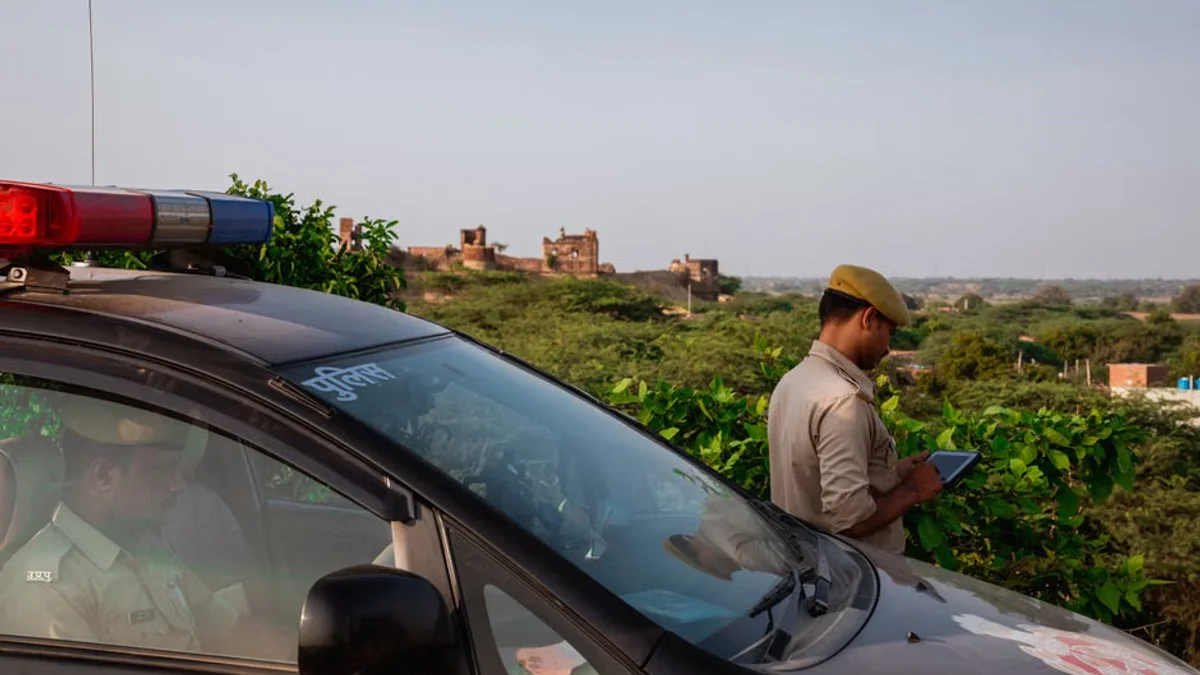
The city of Bengaluru recently witnessed a significant political gathering at the Town Hall, where Citizens for Justice and Peace (CJP) organized a massive protest against the 'One Nation, One Election' proposal. The event drew attention not only due to the intensity of the debate but also because of the presence of high-profile figures including actor Prakash Raj and popular YouTuber Dhruv Rathee.
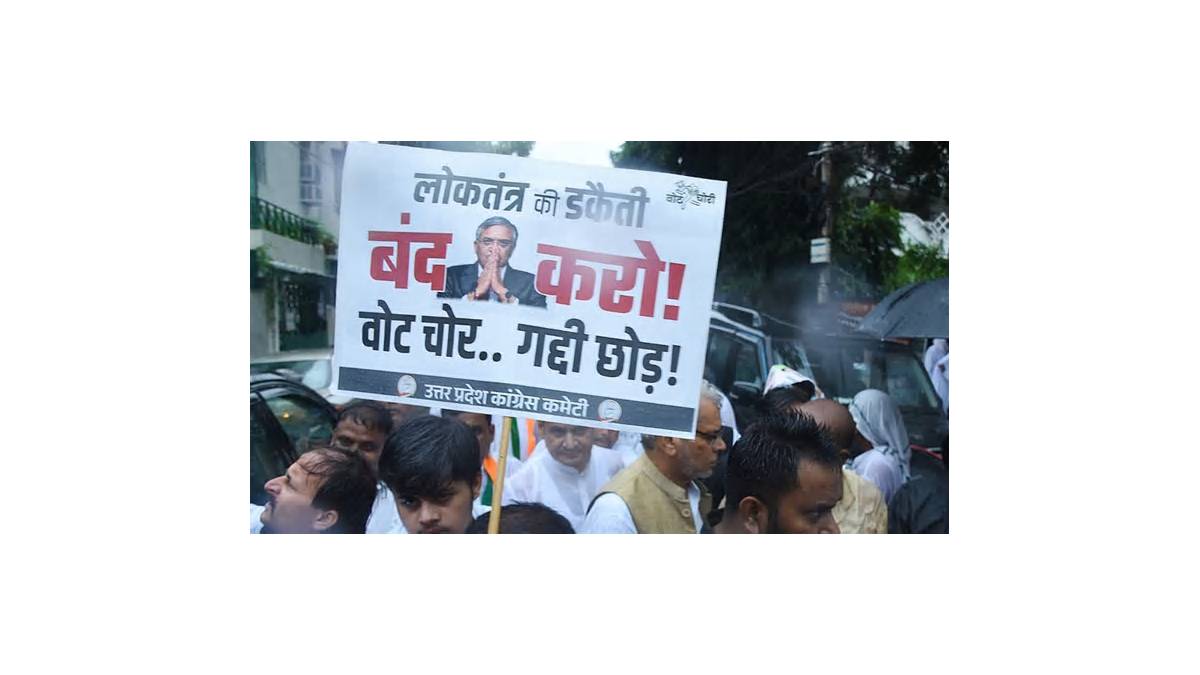
Speakers at the event argued that the central government's proposal to synchronize Lok Sabha and Assembly elections is a threat to India's federal structure. The protest saw a strong emotional response from the crowd, with slogans like 'Vote Chor' (Vote Thieves) echoing through the venue, signaling deep-seated resentment among activists regarding the current political trajectory.
Public Intellectuals Voice Dissent
Prakash Raj, known for his outspoken nature, took the stage to question the government's motives. He argued that the centralization of power is dangerous for a diverse nation like India. Dhruv Rathee, who has a massive digital following, echoed these sentiments by highlighting the practical and economic risks associated with the proposal. He emphasized that local issues would be sidelined if national agendas dictated the entire electoral calendar.
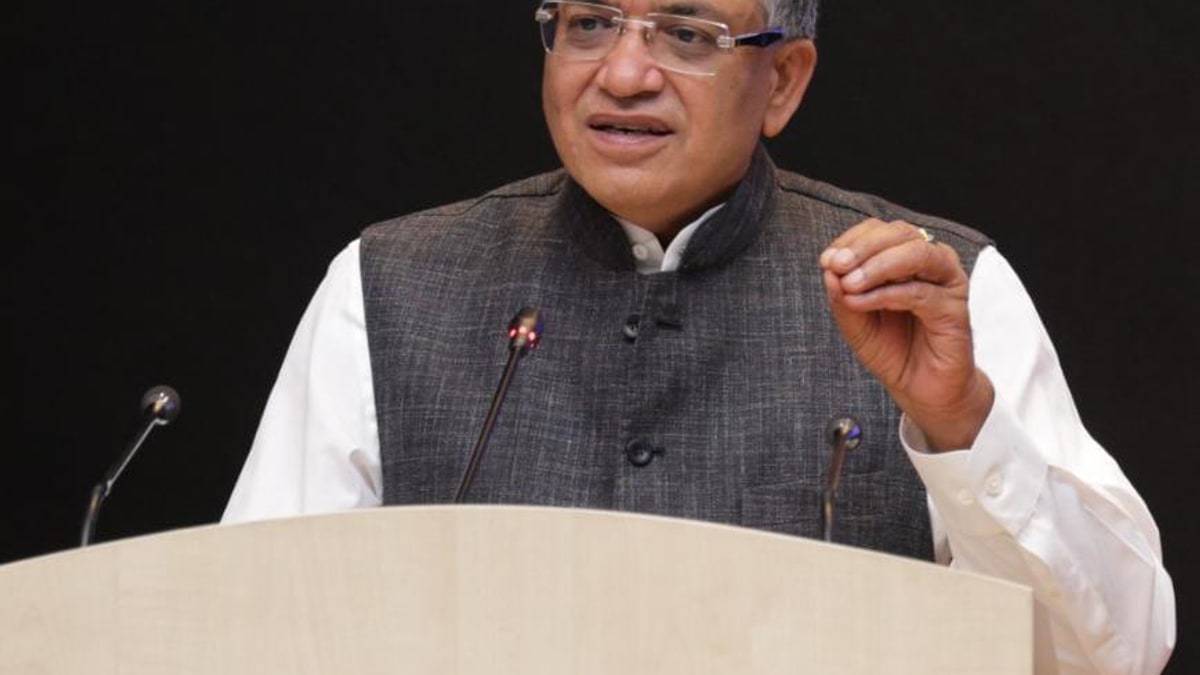
We are living in times where questioning is seen as treason. However, unless the citizens remain vigilant, the spirit of our democracy will continue to erode.
The duo’s participation served as a catalyst for the event, drawing thousands of youngsters who have been following these debates on digital platforms. The organizers claimed that this is just the beginning of a nationwide movement to protect the autonomy of states and the constitutional values of the country.
The Argument Against 'One Nation, One Election'
While the central government maintains that simultaneous elections will save costs and ensure governance efficiency, critics argue that the move is an attempt to erode the power of state governments. The protest highlighted that India's governance is built on the strength of its individual states, and any attempt to force uniformity could destabilize regional political dynamics. The event concluded with a call for greater public awareness and resistance against policies that threaten the democratic fabric of the nation.