
A Major Step Forward in Reducing Highway Fatalities
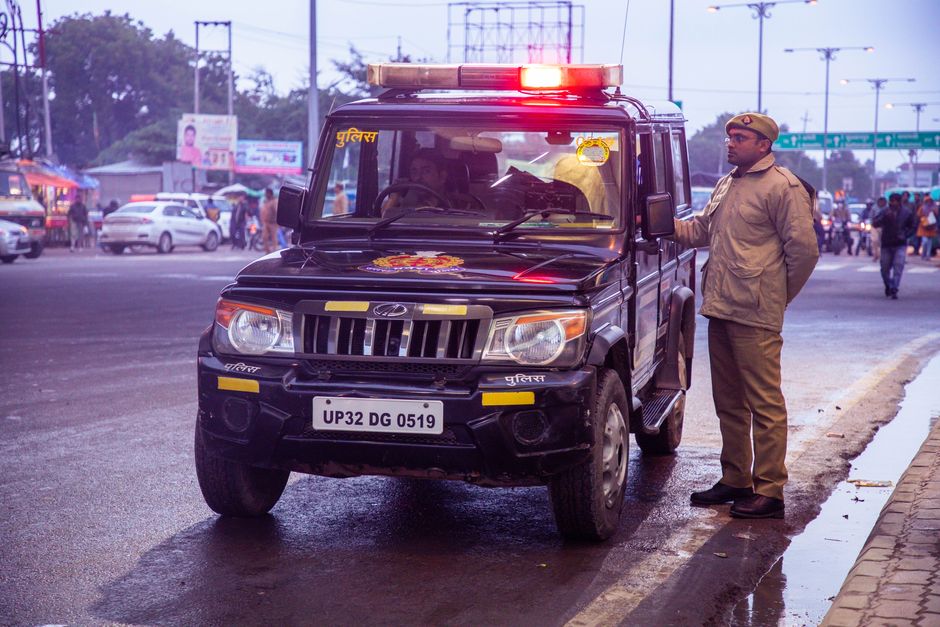
In a significant move to enhance road safety and streamline traffic management, the administration has significantly expanded its highway patrol fleet. A fresh batch of advanced patrol vehicles has been flagged off to patrol sensitive national highways, aiming to drastically reduce response times during road accidents and save precious lives.
Experts emphasize that the 'golden hour'—the crucial first hour following a traumatic injury—dictates the survival chances of an accident victim. Ensuring timely medical intervention and swift evacuation during this window is vital. The strategic deployment of these patrolling units guarantees that relief teams reach accident sites without administrative delays, providing immense relief to victims and their families.
Comprehensive Surveillance Across Three Thousand Kilometers
This upgraded patrolling network spans approximately 3,000 kilometers of national highways. Patrol units are strategically stationed at every 50-kilometer interval to maintain round-the-clock vigil. These mobile units constantly monitor traffic flow, clear unauthorized encroachments, and prevent illegal roadside parking, which are primary causes of severe nighttime collisions.
By maintaining continuous visibility on major transit corridors, authorities aim to instill disciplined driving habits among commuters. The persistent presence of patrol cars acts as a natural deterrent against reckless driving, speeding, and other traffic violations.
Equipped with Cutting-Edge Rescue and Safety Tools
Unlike standard police cruisers, these new highway response vehicles are outfitted with specialized gear tailored for emergency extraction and medical support. They feature heavy-duty gas-cutting equipment to pry open mangled vehicles, foldable stretchers for safe patient transport, traffic cones, and essential first-aid kits.
Furthermore, these vehicles are fully integrated with the emergency response system, allowing them to act as first responders immediately upon distress calls. By bridging the gap between accident occurrence and hospital admission, these units play an indispensable role in emergency healthcare delivery.
Advanced Speed Radars and E-Challan Integration
To enforce strict compliance with traffic regulations, the patrol units are integrated with 4D speed radars, high-definition evidence cameras, and automated e-challan systems. These digital tools enable traffic authorities to monitor vehicle speeds accurately and penalize offenders instantly without manual intervention.
The transparent digital recording of traffic violations ensures accountability and encourages motorists to adhere strictly to safety guidelines. This technological integration forms the backbone of a modern, efficient, and proactive highway management system.


