Health Crisis Deepens as Mosquito-Borne Diseases Rise
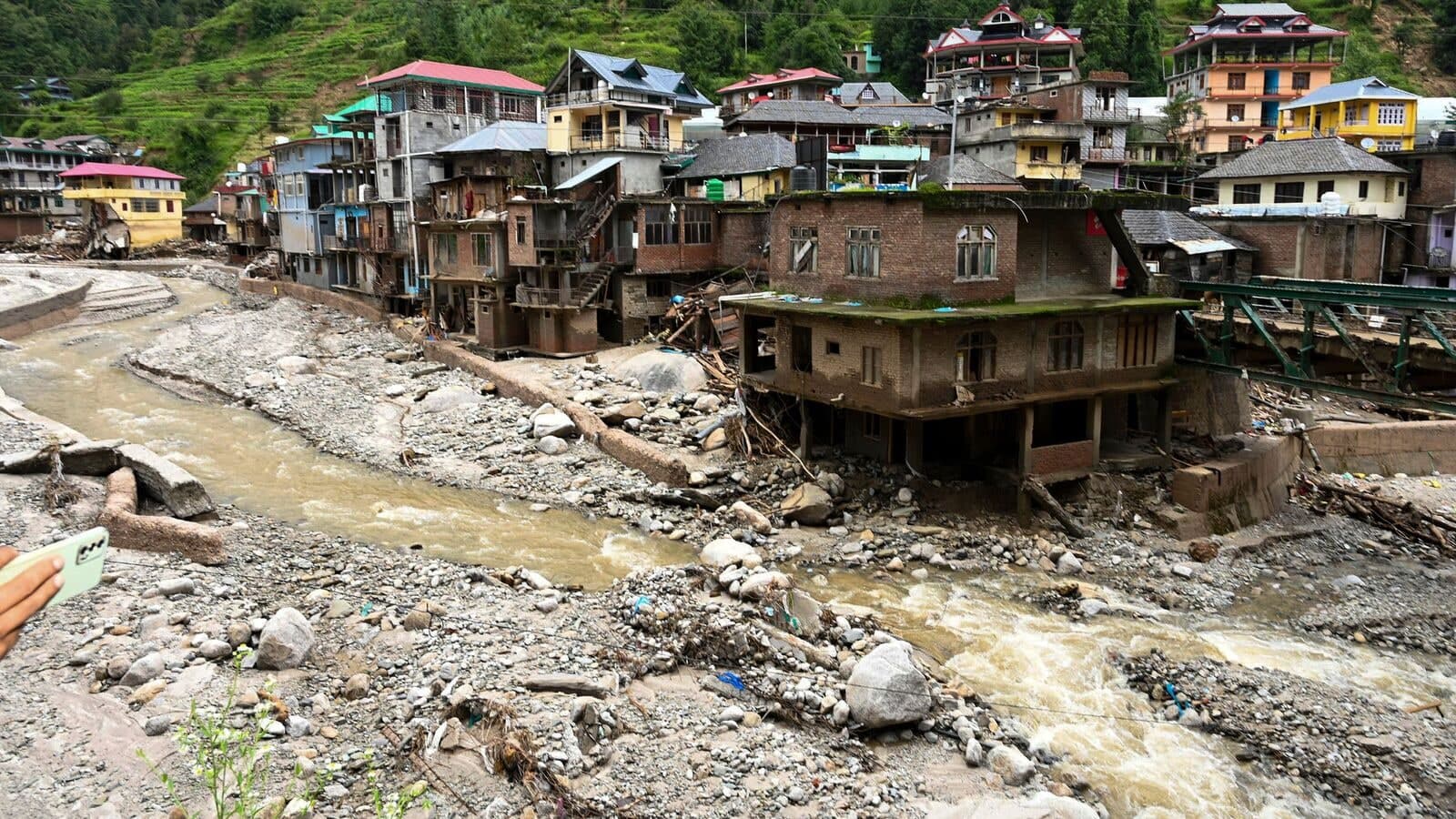
Following the withdrawal of the monsoon, health authorities across various districts are grappling with a surge in vector-borne diseases. The transition period in weather has created ideal breeding conditions for mosquitoes, leading to a noticeable increase in dengue and malaria cases. Local administrations have swung into action, ramping up anti-larval treatments and containment protocols to prevent widespread transmission.
Medical experts note that the post-monsoon period historically witnesses a spike in such infections due to stagnant rainwater and high humidity. Health departments have urged citizens to exercise caution, emphasizing that early detection and prompt medical intervention are crucial in managing these seasonal ailments effectively.
Intensified Fogging and Sanitation Drives
In response to the growing infection numbers, municipal authorities have deployed rapid response teams to affected residential clusters. Fogging machines and chemical sprays are being extensively utilized in high-risk zones to eliminate adult mosquitoes and destroy larvae breeding sites.
Public health officials stress that community participation remains vital in controlling the spread. Citizens are repeatedly advised to empty coolers, flower pots, and discarded containers regularly to prevent water stagnation around residential areas.