A Political Earthquake in Central Germany
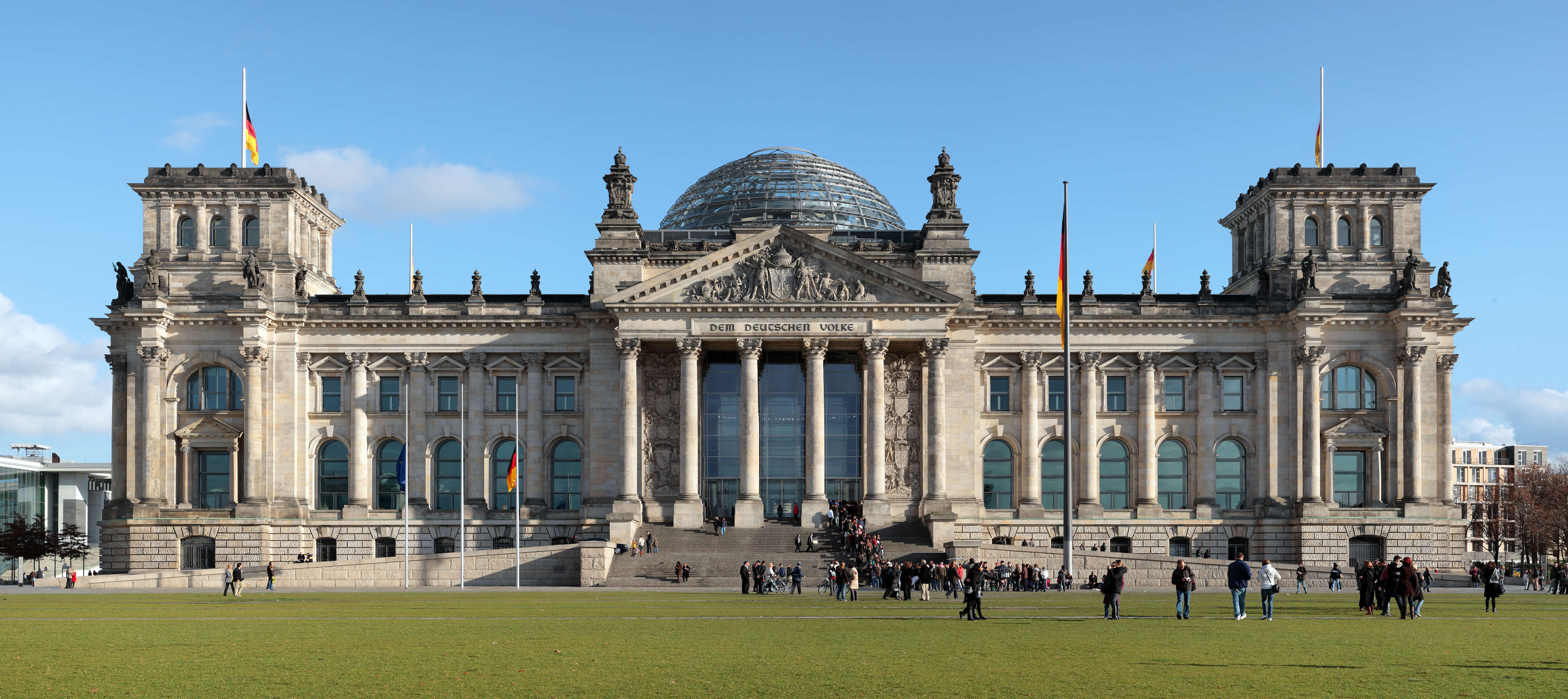
The political landscape of Europe's economic powerhouse is undergoing a profound tectonic shift. Recent provincial election results in eastern Germany have sent shockwaves through the nation's capital, forcing political analysts and establishment leaders to confront an uncomfortable new reality. A nationalist, right-wing alternative movement has shattered previous electoral records, calling into question the unwritten rules that have long kept such ideologies marginalized from the corridors of power.
The magnitude of this electoral performance cannot be understated. Securing a commanding share of the vote—more than double that of the traditional center-right party—this emerging political force has redefined regional dynamics. For a country historically cautious about the resurgence of radical nationalism, these outcomes represent a watershed moment that demands urgent re-evaluation by mainstream politicians.
The Evolution of a Controversial Movement
Tracing the trajectory of this political entity reveals a steady and calculated growth. Founded initially as an academic and eurosceptic platform focused primarily on currency policy and economic relief packages, the organization remained on the fringes of the political spectrum during its early years. However, the watershed refugee crisis provided a powerful catalyst, pivoting the party toward a hardline nationalist and anti-immigration stance.
This ideological shift alienated moderate elements within the founding ranks but resonated deeply with a disenfranchised segment of the electorate. Despite being placed under domestic intelligence surveillance and facing intense societal pushback, the party steadily expanded its grassroots support. Successive electoral cycles have seen its parliamentary presence grow exponentially, transforming it from a vocal fringe group into a formidable political heavyweight.
The Debate Over the 'Firewall' Strategy
At the center of the current political debate is the concept of the 'Brandmauer'—the informal yet strictly observed cordon sanitaire that prevents mainstream parties from forming coalitions with the political right. The core objective has always been to protect democratic norms by denying extremist factions a pathway to executive authority.
However critics now argue that this exclusionary strategy may be counterproductive. By perpetually treating a heavily backed political movement as illegitimate, mainstream parties inadvertently hand their opponents a powerful narrative of grievance. Voters in economically lagging regions, particularly in eastern Germany, increasingly feel that their democratic choices are being systematically ignored by urban elites, fueling a populist backlash reminiscent of political realignments seen elsewhere in the Western world.
"Maintaining a strict cordon sanitaire against a party with massive popular backing risks alienating millions of voters and deepening the rift between the populace and the political establishment."— Strategic Studies Analyst
Implications for the European Union
The ramifications of Germany's shifting domestic politics extend far beyond its national borders. As the de facto economic and diplomatic anchor of the European Union, prolonged political fragmentation in Berlin could paralyze EU-level decision-making. At a time when the bloc faces formidable industrial, trade, and security challenges, a weakened or distracted German leadership risks diminishing the continent's collective efficacy on the global stage.
As the country looks toward upcoming federal cycles, the traditional parties face a daunting dilemma: how to reconcile democratic outcomes with the imperative of safeguarding liberal institutions. The decisions made by Berlin's leadership in the coming months will not only shape Germany's domestic future but will also test the resilience of democratic governance across the entire European continent.