
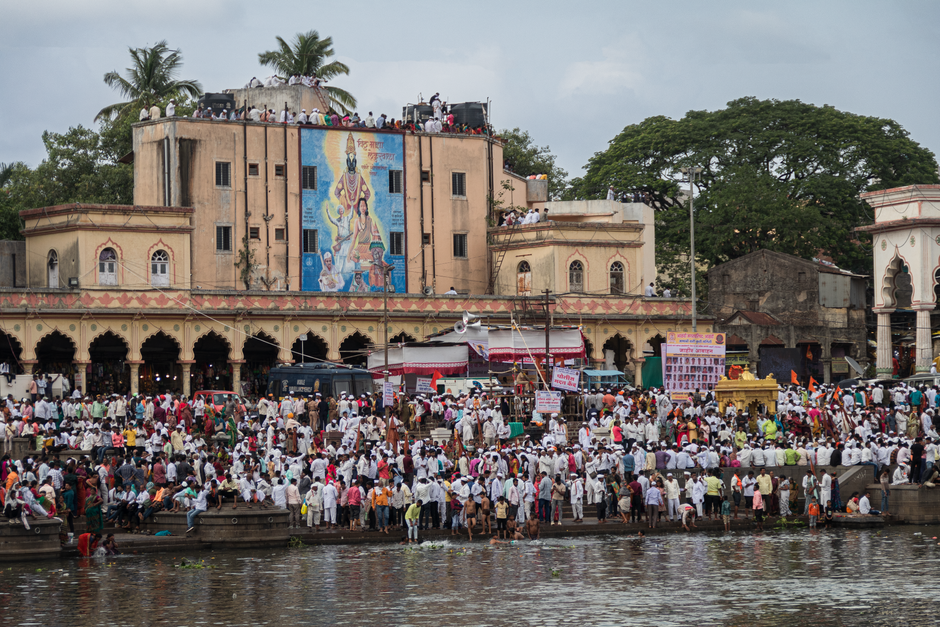
Push to Develop Haripur Dham as a Major Religious Tourism Hub
Efforts to transform the historic Haripur Dham, known as the gateway to the Jaunsar-Bawar region in Uttarakhand, into a prominent religious and cultural tourism destination are gaining significant momentum. A high-level meeting was recently convened at the Press Club of India in New Delhi, bringing together senior members of the Jaunsar-Bawar Tribal Welfare Committee and Lok Panchayat to deliberate on the second phase of development works.
The joint meeting aimed to preserve the region's ancient cultural heritage while positioning it as an attractive destination for pilgrims and travelers. Speakers emphasized that Haripur is not merely a geographical location but a vibrant symbol of the rich culture and traditions of the Jaunsar-Bawar community. Improved infrastructure for visitors is expected to significantly boost the local economy and tourism prospects.
Social and administrative initiatives surrounding this project have generated immense enthusiasm among locals. Committee members stressed that development works must be completed within stipulated timelines to ensure seamless experiences for tourists arriving from various parts of the country.
First Phase Completed, 21-Foot Statue of Goddess Yamuna Unveiled
The initial phase of the Haripur Dham development project has been successfully executed. According to senior members of the Lok Panchayat, the construction of ghats under the first phase is complete, highlighted by the majestic unveiling of a towering 21-foot-tall statue of Goddess Yamuna.
This impressive statue has quickly become a focal point of religious devotion and a major attraction for sightseers. The newly constructed riverfront ghats provide immense convenience for pilgrims wishing to take ritual baths and offer prayers. Previously lacking basic amenities, the upgraded area has undergone a remarkable transformation.
Locals and pilgrims alike note that these initiatives are helping revive the ancient prominence of the site. Riverside morning and evening rituals now attract substantial gatherings, signaling a bright future for local tourism.
Phase Two to Feature Yamuna Krishna Temple and Dharmshalas
Blueprints for the second phase of development are already in place. Upcoming projects prioritize the expansion of ghats within the Yamuna Krishna Dham complex, alongside the grand construction of a Yamuna Krishna temple. Additionally, well-equipped dharmshalas are planned to accommodate visiting pilgrims.
To foster community welfare, organizers have proposed hosting weekly community feasts (bhandaras) every Friday at Haripur Dham, ensuring that travelers and underprivileged individuals receive proper meals. Integrating these facilities places the site firmly on the path to becoming a premier national pilgrimage destination.
Committee officials confirmed that expert architects and engineers are overseeing the designs to blend traditional temple architecture with modern safety standards, ensuring structural durability for decades to come.
Promoting Culture Through a Sanskrit College and Mahasu Gateway
Beyond physical infrastructure, intellectual and cultural enrichment is also a core focus. Plans include constructing a magnificent 'Mahasu Gateway' at the entrance of Haripur, reflecting local folklore and heritage. Furthermore, establishing a Sanskrit college has been proposed to promote education and Vedic learning.
Experts believe the Sanskrit college will empower local youth to connect with ancient languages, literature, and traditions. Cultural programs are also being conceptualized to showcase Jaunsar-Bawar folk art, music, and cuisine on a broader platform.
"The development of Haripur Dham is not just about concrete structures; it is the revival of our glorious cultural heritage. Once the Yamunotri pilgrimage route integration and Sanskrit education take root, this region will author a new chapter in spiritual tourism." — Srichand Sharma, Senior Member, Lok Panchayat
Integrating Haripur into the Yamunotri Pilgrimage Route
Another far-reaching proposal discussed during the meeting involves initiating the Yamunotri Dham pilgrimage route directly from Haripur. If implemented, this will create a convenient and spiritually enriching path for the millions of devotees undertaking the Char Dham yatra.
Pilgrims visiting Yamunotri will be able to pause at Haripur Dham to offer prayers to Goddess Yamuna and perform sacred rituals. This new connectivity is expected to generate numerous livelihood opportunities for local residents through homestays, transport, hospitality, and traditional crafts.


