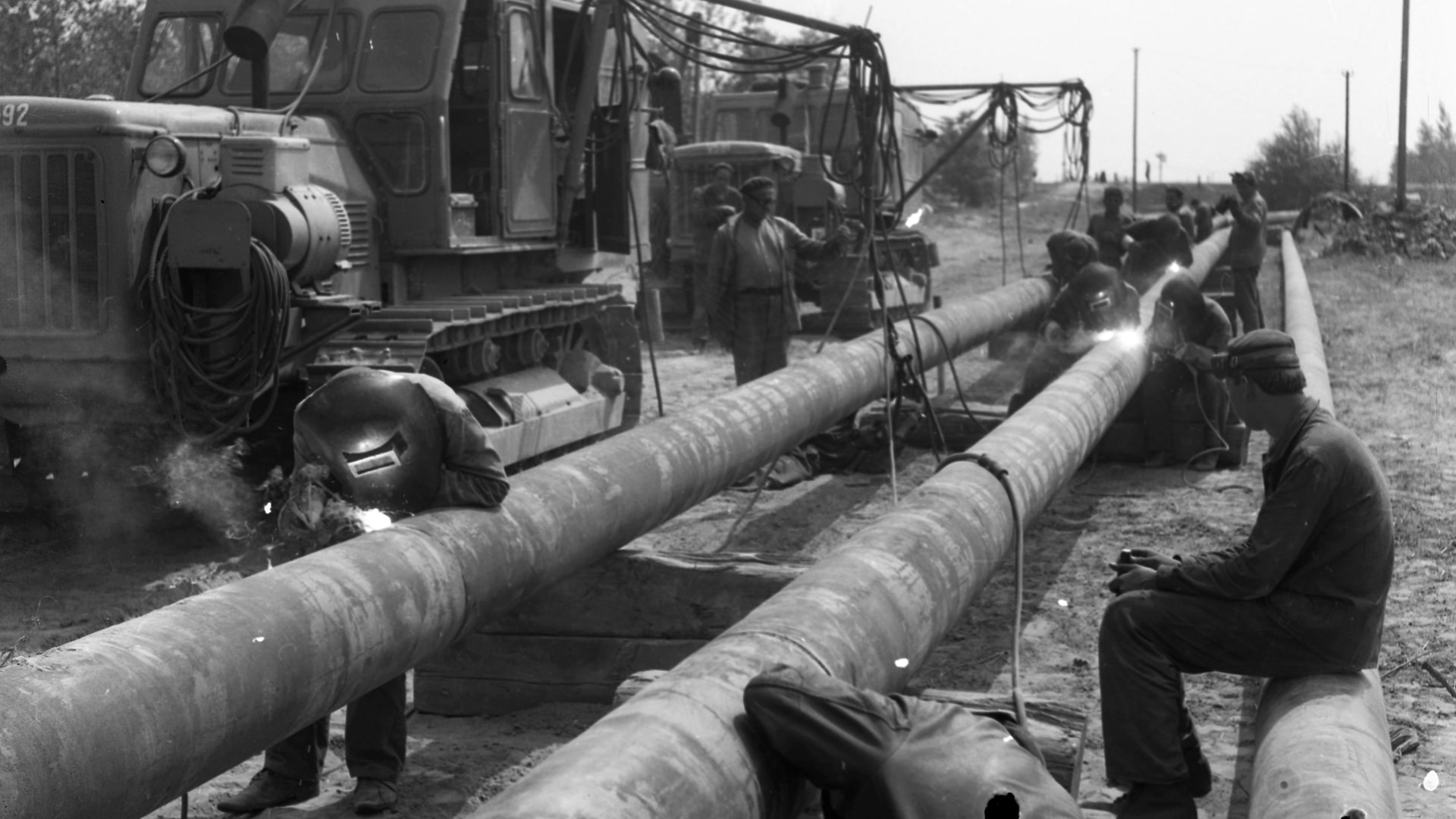
Amid escalating geopolitical tensions in the Middle East and growing uncertainties around vital maritime chokepoints, India is aggressively pursuing a robust strategy to safeguard its energy security. With the Strait of Hormuz facing continuous threats, the central government is actively considering an ambitious project to lay an underwater oil and gas pipeline connecting India and the United Arab Emirates.
This major development follows a high-level bilateral meeting between Union Minister Piyush Goyal and UAE Minister of State for Foreign Trade Thani Ahmed Al Zeyoudi. Following their discussions, momentum has gathered around the strategic undersea energy corridor, which is now among the top infrastructure priorities for New Delhi.
The Middle East to India Deep-Water Pipeline Vision
Officially known as the Middle East to India Deep-Water Pipeline (MEIDP), this massive engineering blueprint aims to link the coastal regions of Oman and UAE directly to the western coast of India, specifically targeting Gujarat and Maharashtra. By routing energy transportation along the floor of the Arabian Sea, the initiative seeks to bypass vulnerable surface shipping lanes.
Initially perceived as a private commercial venture focused solely on natural gas transport, changing global energy dynamics have prompted authorities to re-evaluate its scope. The petroleum ministry has now commissioned detailed technical feasibility studies to explore whether crude oil can also be successfully pumped through this undersea corridor.
Reducing Reliance on Vulnerable Sea Routes
India imports approximately 88 percent of its crude oil requirements, making uninterrupted supply chains a matter of supreme national interest. Any military conflict or blockade in the Strait of Hormuz could severely disrupt the nation's economic growth. Consequently, policymakers are keen to establish resilient alternative pathways.
Furthermore, over half of India's liquefied petroleum gas (LPG) and liquefied natural gas (LNG) imports originate from Qatar and the UAE via the same maritime corridor. Establishing a secure pipeline network would insulate the country from fluctuating shipping insurance premiums and geopolitical hostilities.
Overcoming Deep-Sea Engineering Challenges
Despite its massive strategic advantages, the project presents formidable technical hurdles. Laying durable pipelines at depths reaching nearly 3,450 meters beneath the Arabian Sea requires state-of-the-art materials and deep-water robotics to withstand extreme hydrostatic pressure. Public sector enterprises under the petroleum ministry are currently evaluating safety, cost-efficiency, and technological viability.
Concurrently, ports like Vadinar in Gujarat's Gulf of Kutch are emerging as critical transfer points for ship-to-ship crude oil transfers, offering immediate safeguards during regional crises. Together, these multifaceted initiatives highlight India's proactive approach to future-proofing its energy architecture.