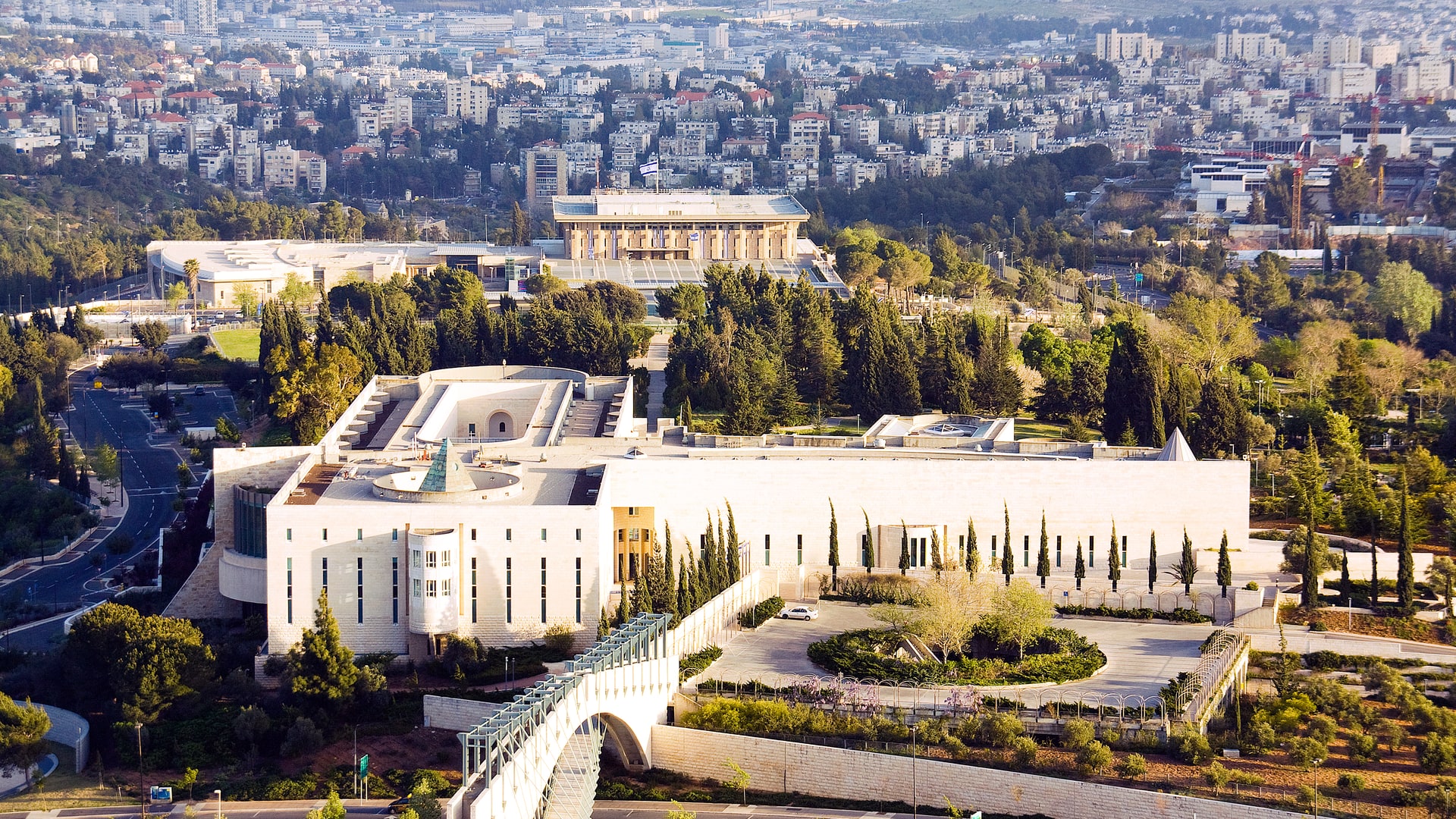
Political Turmoil in Israel Over Election Disqualification
The political landscape in Israel has witnessed intense developments as the country gears up for upcoming general elections. The Central Election Commission and the Supreme Court have taken strict stances regarding candidates whose statements are perceived as undermining national security or supporting hostile entities. In a major turning point, Sami Abu Shehadeh, the leader of the left-wing Arab party Balad, has officially withdrawn his candidacy from the parliamentary race.
This decision came directly on the heels of clear indications from the Israeli Supreme Court that a majority of the justices were leaning toward upholding his disqualification. The legal and political pressure mounted swiftly, leaving the controversial politician with no viable path forward in the electoral contest.
The Controversial Remarks on the October 7 Attack
The core of the controversy stems from statements made by Abu Shehadeh regarding the devastating Hamas assault on Israel on October 7, 2023. In an article, he referred to the horrific terror attack as a 'significant historical event', triggering widespread outrage across the nation. Critics and political opponents immediately condemned the remarks, viewing them as an endorsement of terrorism and a direct affront to the victims and families affected by the tragedy.
Although Abu Shehadeh later defended his comments by claiming they were not meant as support for Hamas's violent actions, his explanations failed to appease the public or the election authorities. The episode reignited fierce debates regarding freedom of speech, political accountability, and the boundaries of dissent within the Israeli democracy.
"The judiciary's firm stance on statements concerning national security sends a clear message that threats to the state's integrity will face strict legal scrutiny." — Political Analyst, Jerusalem
Legal Battles and Broader Political Fallout
While the Supreme Court ultimately lifted bans on certain other Arab political lists and figures, its posture remained unyielding in Abu Shehadeh’s case. Recognizing that the bench was poised to bar him permanently, he chose to step down voluntarily. This withdrawal marks a significant setback for the Balad party and reshapes the dynamics of Arab representation in the Israeli parliament.
Political commentators note that this event highlights the heightened sensitivity surrounding national security within Israel amid ongoing regional conflicts and military operations in Gaza. As the nation navigates through profound security challenges, the judiciary continues to play a decisive role in defining the limits of acceptable political discourse.