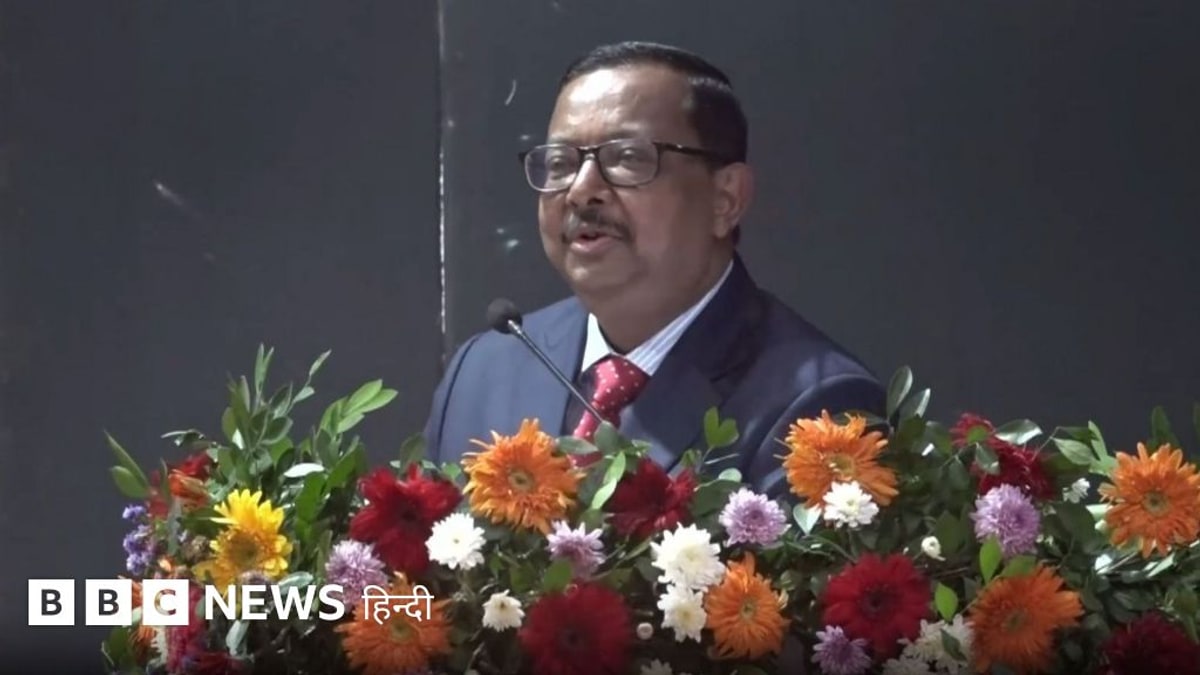
Debate Erupts Within Judiciary Over Voter List Revision Remarks
A significant ideological debate has surfaced within the Indian judicial fraternity following public remarks made by Supreme Court Justice Ujjal Bhuyan regarding the Special Intensive Revision (SIR) of electoral rolls. The comments, which criticized administrative processes affecting voter rights, have drawn sharp reactions and questions from senior jurists, including former Chief Justice of India BR Gavai and retired high court judges.
This evolving controversy brings to the forefront the delicate balance between upholding constitutional rights and maintaining strict judicial discipline, particularly when matters concerning electoral processes remain sub judice before the highest court of the land.
NALSAR University Address And Core Objections
The controversy originated when Justice Ujjal Bhuyan, addressing an academic gathering at NALSAR University of Law in Hyderabad, expressed strong reservations about the SIR process. He stated that any administrative or legal mechanism that deprives millions of Indian citizens of their fundamental right to vote is inherently arbitrary and runs counter to constitutional principles.
Emphasizing that the Constitution does not divide citizens into hierarchical classes regarding voting eligibility, Justice Bhuyan's remarks quickly gained widespread attention across national media platforms and legal circles, triggering diverse reactions from legal experts.
Former CJI BR Gavai Cites Judicial Propriety
Weighing in on the controversy, former Chief Justice of India BR Gavai raised concerns regarding the propriety of making public observations on matters currently pending adjudication. Speaking to reporters, Justice Gavai asserted that established judicial norms do not permit sitting judges of the apex court to publicly comment on issues that are actively being deliberated within the same institution.
"Judicial propriety does not permit us to comment on matters sub judice before the court. A sitting judge of the Supreme Court should not make public statements on issues pending adjudication in the same court." — Justice BR Gavai, Former Chief Justice of India
Retired High Court Judges Echo Concerns
Echoing similar sentiments, retired Delhi High Court Justice SN Dhingra remarked that Justice Bhuyan's observations went beyond the conventional boundaries expected of a sitting apex court judge. He noted that public statements on matters under judicial review should be avoided to prevent any pre-judgment of issues.
Similarly, retired Delhi High Court Justice RS Soodi analyzed the legal framework governing electoral rights, stating that voting privileges are strictly tied to statutory requirements and legal compliance. He emphasized a balanced focus on whether due process has been duly followed in electoral roll revisions rather than employing generalized or rigid terminology.