
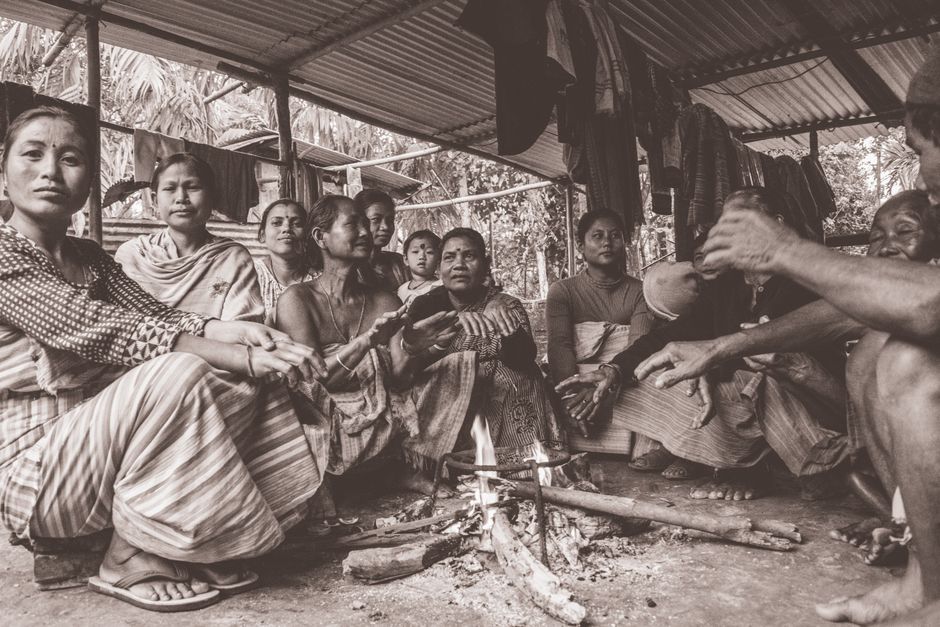
A Major Step Towards Rural Development: Special Gram Sabha Held
Administrative efforts are continuously underway to strengthen basic infrastructure in rural areas and ensure that government welfare schemes reach the last person in line. In this sequence, special gram panchayat meetings were organized in various panchayats under local administration guidelines. The main objective of these meetings was to outline village development work and ensure transparent delivery of beneficiary schemes to those in need.
During these special sessions, ongoing local development projects were reviewed and future plans were discussed in detail. Resolutions were passed to prioritize basic problems such as roads, drainage, drinking water, and sanitation in rural areas. Officials and public representatives emphasized that unless villagers actively participate in these meetings, the real benefits of the schemes cannot reach the grassroots.
Various crucial issues regarding the overall development of villages were discussed during the gatherings. Open discussions were also held on panchayat-level funds and their proper utilization to maintain transparency. Villagers openly shared their problems with officials and demanded prompt solutions.
Pradhan Mantri Awas Yojana List Made Public, Thousands Gain Hope
The biggest update from this gram sabha regarding the Pradhan Mantri Awas Yojana—aimed at fulfilling the dream of a pucca house for every poor family in rural areas—was the public release of the tentative beneficiary list. The publication of this list brought immense joy to poor families who had been waiting for their homes for a long time.
According to administrative data, thousands of names were included in the tentative list across various areas of the block during this process. For instance, lists included 696 names in Halsi, 592 in Ballopur, 493 in Bhanpura, 752 in Geruapursanda, 1159 in Sirkhindi, 1007 in Kaindi, 1136 in Sadhmaf, 1042 in Pratappur, and 950 in Mohaddinagar. In total, 8,551 tentative beneficiaries were publicized.
The administration also clarified that if any eligible and needy person's name was missed from this list, they need not worry. Such individuals can visit their respective panchayat office and apply through the prescribed procedure to ensure no genuine claimant is left behind.
Treat Public Property Like Your Own: Strong Appeal by Officials
During the gram sabha, administrative officials delivered a crucial message to villagers, stating that any infrastructure and property built by the government in villages actually belongs to the public. Every citizen has the duty to look after public buildings, roads, and utilities just as they care for their personal belongings.
The Block Development Officer, participating in the meeting at Kaindi Panchayat Bhavan, emphasized that successful implementation of welfare schemes is only possible when common people take part. He called for building self-reliant and infrastructure-equipped panchayats under Theme-6.
"Just as we maintain and use our personal items, public responsibility must be taken for the usage and upkeep of government property so that everyone can collectively benefit from welfare schemes." — Vikas Kumar Dhira, Block Development Officer (BDO)
A New Model of Village Sanitation and Public Cooperation
Schemes running to strengthen sanitation arrangements in rural areas were also discussed extensively. Officials noted that sanitation workers are actively working in all panchayats to keep every household clean, but this process can only succeed with full public cooperation.
To keep the sanitation process running smoothly, a nominal daily contribution of one rupee per household has been suggested as per government guidelines. This small amount ensures that cleaning operations continue without financial hurdles. Officials appealed to villagers to view this initiative as a step toward a clean and healthy society.


