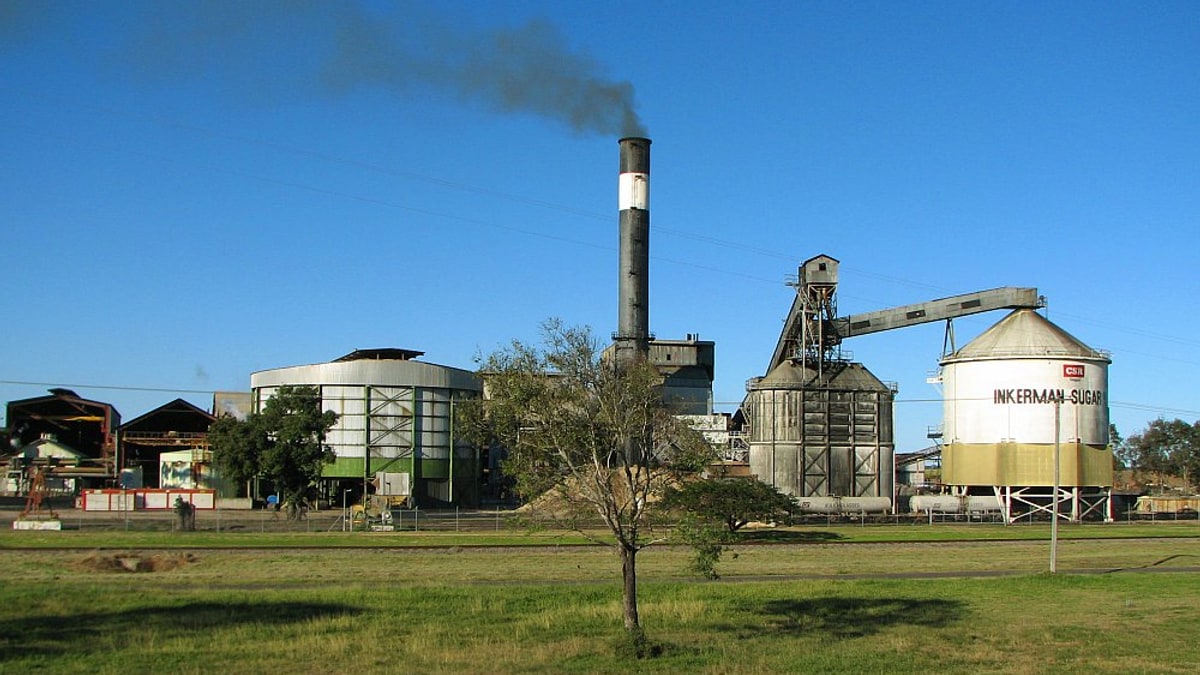
The cooperative sugar network, long considered the economic backbone of rural Maharashtra, is confronting a profound structural crisis. The operational duration of sugar mills across the state has shrunk drastically over recent seasons. While traditional mills routinely operated for 150 to 180 days, an increasing number of crushing facilities are now wrapping up their entire operations within approximately 90 days. This premature closure leaves heavy industrial machinery, seasonal workforces, and multi-crore capital investments idle for nearly nine months of the year.
Shortened Crushing Seasons Strain Financial Health
The economic fallout of an abbreviated crushing season is acute. Sugar mills depend heavily on extended runs not just to maximize refined sugar output, but also to generate vital supplementary revenue through ethanol distillation and bagasse-based power cogeneration. When crushing stops after just three months, mills struggle to service bank debts and cover overhead expenditures.
Facing escalating non-performing assets and operational liabilities, several historically prominent cooperative mills have been forced to lease their facilities to private entities. Recognizing the gravity of this trend, the Maharashtra government, in a ministerial committee resolution, instructed the Sugar Commissionerate, the Department of Cooperation, and the Maharashtra State Cooperative Bank to conduct a joint assessment. The agencies have been tasked with delivering a practical revitalization model within one month to restore operational longevity.
"When mills shut down in barely 90 days, the entire financial architecture of the cooperative sugar sector collapses. A comprehensive blueprint is needed to optimize mill utilization and secure farmer livelihoods." — Senior Official, Maharashtra Cooperation Department
Yield Optimization Over Acreage Expansion
Agricultural data reveals that Maharashtra's sugarcane acreage has remained relatively stagnant at 13 to 14 lakh hectares for several years. Given severe groundwater depletion and recurring monsoon variability, simply expanding agricultural land under sugarcane is environmentally and logistically unsustainable. Consequently, industry experts emphasize that the only viable path to increasing cane supply is boosting per-hectare agricultural productivity.
Recommended interventions include the aggressive expansion of micro-irrigation systems, deploying drought-resistant seed varieties, and integrating the state agriculture department directly into mill-level sugarcane development programs. By raising productivity at the farm gate, mills can secure the raw material required to run their plants closer to the historic 150-day benchmark.
Central Stock Limits to Thwart Speculative Hoarding
While state authorities address production bottlenecks, the central government has acted decisively to safeguard consumer interests ahead of peak festive demand. Strict inventory limits have been imposed on wholesale sugar traders and dealers. Under these temporary regulations, dealers may hold no more than 1,000 quintals of sugar and must liquidate their stock within 15 days of procurement.
Exceptions have been granted to eastern transport hubs like Kolkata and Assam, where limits are set at 2,000 quintals to account for extended regional supply lines across northeastern states. These combined interventions have already begun stabilizing wholesale prices, ensuring adequate market availability without triggering inflationary spikes for household consumers.