
New Regulatory Framework for Global Rice Trade
In a strategic move to streamline the international supply chain of foodgrains, comprehensive regulations governing the import and export of rice have officially taken effect. This updated ordinance redefines the protocols for commercial operations, the issuance of export certificates, and the conditions under which such approvals can be revoked. Policymakers aim to bolster food safety standards and transparency across global markets.
Industry observers note that these heightened standards will filter out non-compliant entities, ensuring that only qualified operators participate in high-volume trade. While all varieties of paddy and rice fall under the purview of this ordinance, non-commercial activities such as humanitarian aid, gifts, and personal donations remain exempt from these stringent compliance checks.
Mandatory Criteria for Export Certification
Under the revised guidelines, Vietnamese and foreign enterprises engaged in the rice export sector must meet explicit benchmarks to secure and retain their operational credentials. Direct Foreign Investment (FDI) enterprises are permitted to participate provided they adhere strictly to international treaties and domestic commercial laws.
The Ministry of Industry and Trade retains the authority to issue these credentials in both physical and electronic formats. Furthermore, robust enforcement mechanisms have been established to penalize fraudulent declarations regarding storage capacities or milling infrastructure, safeguarding the market from unscrupulous practices.
Strict Infrastructure and Storage Mandates
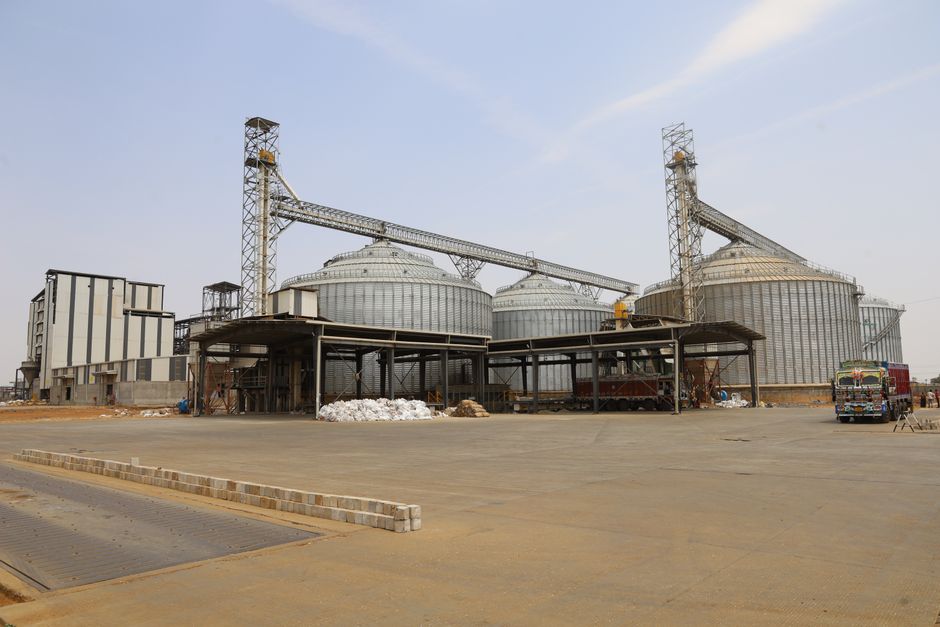
A cornerstone of the new regulatory policy is the mandatory requirement for adequate storage and milling infrastructure. Entities aspiring to export rice must possess at least one specialized warehouse designated for paddy storage, alongside milling facilities that satisfy rigorous food safety and technical benchmarks.
These facilities can be self-owned or legally leased through verified contracts. However, leasing practices designed merely to circumvent certification requirements through dummy arrangements are strictly prohibited. Notably, exporters dealing exclusively in organic, parboiled, or micronutrient-fortified rice enjoy certain exemptions from these heavy storage prerequisites.
Revocation and Accountability Measures
The updated ordinance outlines clear conditions under which export certificates can be revoked. Failure to engage in export declarations for a continuous twelve-month period, liquidation or bankruptcy of the enterprise, or the submission of falsified infrastructural data will trigger immediate cancellation.
"Establishing transparent compliance parameters is essential for sustaining international confidence in our agricultural exports and ensuring long-term market stability." — Senior Economic Analyst
Implications for Importers and Legacy Operators
Importers are now legally bound to register their upcoming procurement schedules with the trade ministry within a stipulated timeframe. Meanwhile, businesses operating under prior regulatory frameworks are permitted to utilize their existing certificates until their official expiration, minimizing sudden disruptions to ongoing commercial contracts.


