The Growing Threat of Heart Diseases Among the Youth
The fast-paced modern lifestyle, poor dietary habits, rising mental stress, and lack of physical activity have placed the country's youth on the brink of severe health complications. Heart attacks and coronary artery diseases, once considered ailments of old age, are now increasingly affecting individuals in their thirties and early forties. This alarming trend has raised serious concerns among healthcare professionals and the general public alike.
Medical data and clinical experiences clearly indicate that early signs of cardiac stress serve as critical warnings. Persistent chest pain, breathlessness during routine tasks, excessive fatigue, or sudden unexplained sweating are often dismissed by young individuals as mere acidity or muscular strain. This negligence frequently leads to fatal consequences. Cardiologists emphasize that ignoring bodily anomalies based on a young age is a grave mistake.
Experts also point out that smoking habits, erratic sleep schedules, high consumption of junk food, and prolonged screen time are severely impairing metabolic functions among the younger generation. Consequently, hypertension, diabetes, and high cholesterol are developing at an early age. When fat and plaque accumulate within blood vessels, arterial blockages restrict blood and oxygen supply to the heart muscles, triggering permanent cellular damage.
The Importance of Golden Hour in Emergency Cardiac Care
During any cardiac emergency, the 'golden hour'—the initial sixty minutes—remains the most crucial window. Receiving prompt and advanced medical care within this timeframe can significantly prevent permanent damage to heart tissues. Emergency cardiac care specialists explain that sudden coronary blockages leave no room for delay. Any procrastination weakens the heart muscle permanently, elevating future risks of heart failure.
Recent medical breakthroughs have demonstrated that modern technology and timely surgical interventions can pull patients back from the brink of death. Advanced cardiac care institutes now possess cutting-edge tools to resolve complex blockages rapidly. Experts state that reaching the hospital in time allows procedures like angioplasty to restore blood flow within minutes, saving lives and enabling a swift recovery.
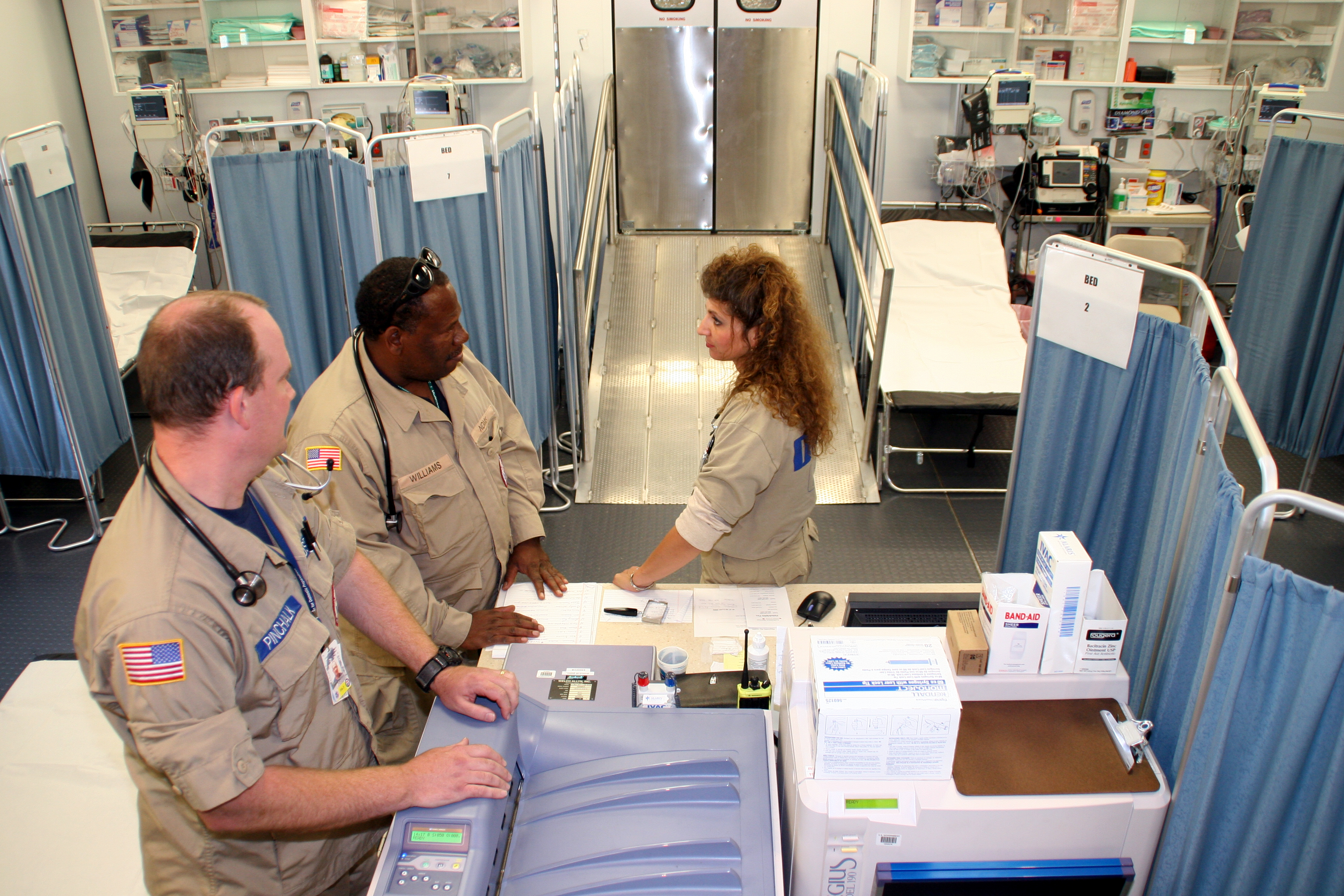
Furthermore, bridging the accessibility gap for emergency cardiac services in remote areas is vital. Strengthening telemedicine and primary health triage ensures that patients receive timely referrals and initial stabilization before reaching advanced care facilities.
Role of Modern Angioplasty and Stents in Complex Cases
Heart disease treatment has evolved tremendously over the past decade. Advanced angioplasty and minimally invasive techniques have replaced high-risk open-heart surgeries for many complex cases. Modern imaging tools allow doctors to visualize arterial blockages with absolute clarity and clear them without major incisions.
For instance, in recent clinical cases involving young patients with multi-vessel blockages, skilled surgical teams successfully performed complex angioplasties within an hour, deploying stents to restore normal blood flow. Patients were discharged the very next day, walking out on their own feet.
"Early identification and immediate restoration of blood flow during cardiac emergencies remain the keys to saving lives. Never ignore unusual symptoms on the grounds of age."— Dr. Sandeep Chopra, Senior Cardiologist
These successful outcomes prove that timely expert consultation can conquer severe cardiac conditions. Nonetheless, prevention remains superior to cure. Regular health screenings, monitoring blood pressure and sugar levels, and maintaining an active lifestyle can mitigate these risks significantly.
Creating Awareness and Embracing Lifestyle Modifications
Curbing the rise of cardiac ailments requires widespread health literacy across all societal segments. Organizing health camps in educational institutions and corporate offices helps sensitize youth to early warning signs. Physical fitness must extend beyond gym workouts to encompass internal cardiovascular wellness.
Experts recommend annual comprehensive health checks, regular lipid profile tests, and active stress management. Integrating thirty to forty-five minutes of brisk walking, yoga, and a balanced diet into daily routines can substantially reduce cardiac risks. Society and families must collaborate to foster environments where health is prioritized above all else.
Ultimately, the heart is our most diligent organ, working tirelessly without a single pause. Protecting its health through vigilance, balanced nutrition, and timely medical intervention ensures a secure and vibrant life. Whenever the body signals distress, professional consultation must be sought immediately, as alertness is the greatest safeguard.