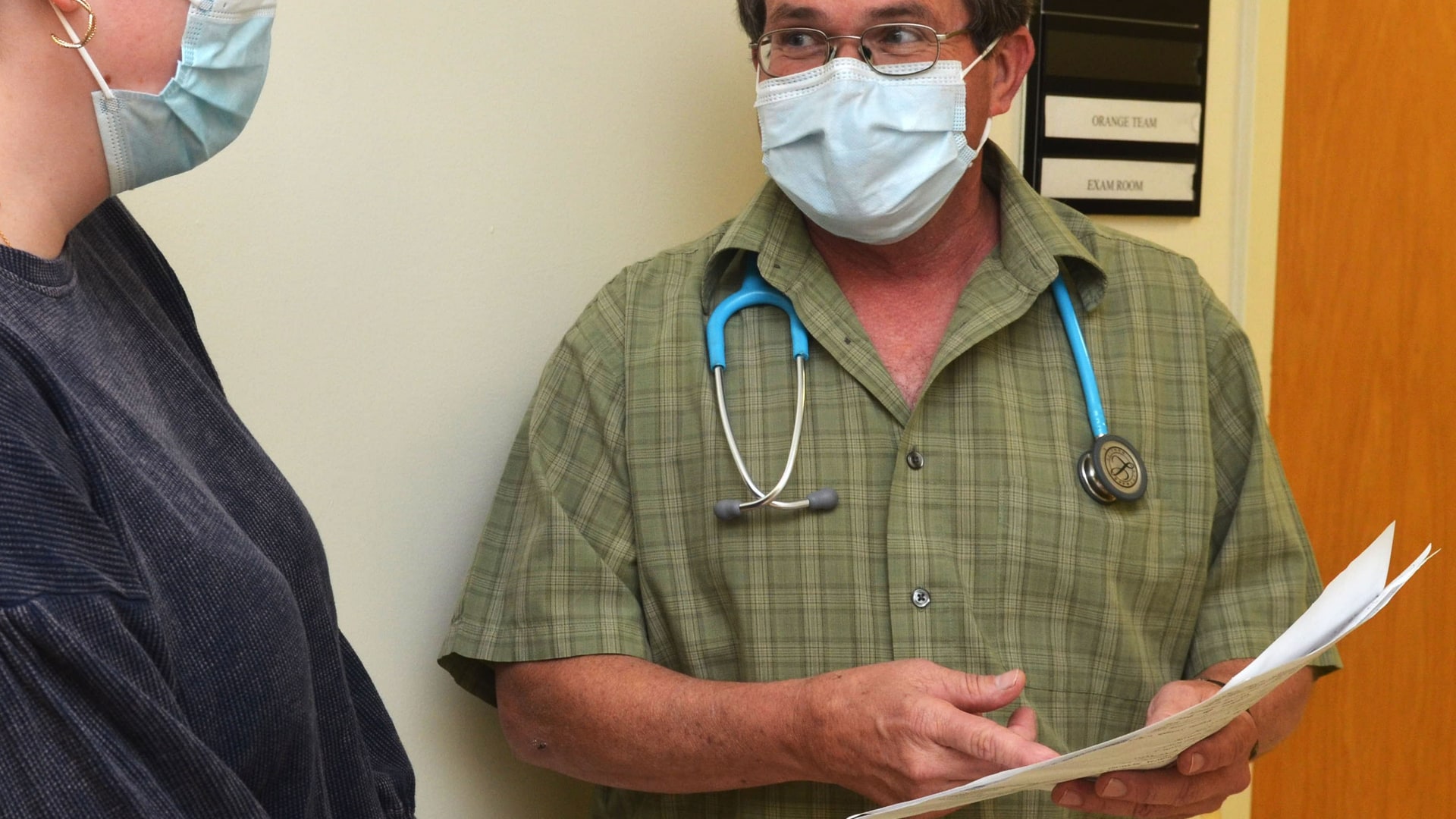
Understanding the Surge of Seasonal Illnesses
With every transition in weather, health systems witness a sudden spike in patients suffering from viral fevers, common colds, and severe body aches. While many people tend to write these off as routine seasonal discomfort, experts caution that ignoring persistent high temperatures and fatigue can prove dangerous. This period is particularly sensitive for vector-borne diseases like dengue and malaria.
Recent health data reveals a significant increase in outpatient department visits across various regions. Stagnant water and rising mosquito breeding grounds have amplified health risks in both rural and urban localities. Recognizing early symptoms is crucial to preventing complications and ensuring timely medical intervention.
Identifying Dengue Symptoms versus Normal Viral Fever
Not all fevers are ordinary viral infections. When body temperature rises abruptly, accompanied by severe bone and joint pain—often termed breakbone fever—it warrants immediate attention. Key indicators of dengue include intense frontal headaches, retro-orbital pain behind the eyes, extreme exhaustion, and a sudden loss of appetite.
Because early symptoms overlap heavily with other viral illnesses, clinical confirmation through blood tests is essential. Initial diagnostic tests like the NS1 antigen test and subsequent antibody tests help doctors determine the exact cause and initiate appropriate treatment protocols.
"If fever persists beyond two or three days or symptoms escalate, seeking professional medical advice is imperative. Monitoring platelet counts and hydration levels during dengue is vital for recovery."— Dr. Hatinderjeet Singh Sethi, Director, Internal Medicine, Fortis Hospital
When Does Fever Become a Medical Emergency?
Critical care specialists emphasize that certain warning signs transform a simple fever into a medical emergency. Symptoms such as severe shortness of breath, persistent chest pain, confusion, or extreme lethargy require immediate hospitalization. Vulnerable groups, including young children, the elderly, and pregnant women, must exercise heightened caution.
Additionally, bleeding from the gums or nose, blood in vomit or stools, sudden bruising, or severe dehydration demand urgent medical care. Ignoring these red flags can lead to life-threatening medical complications.