
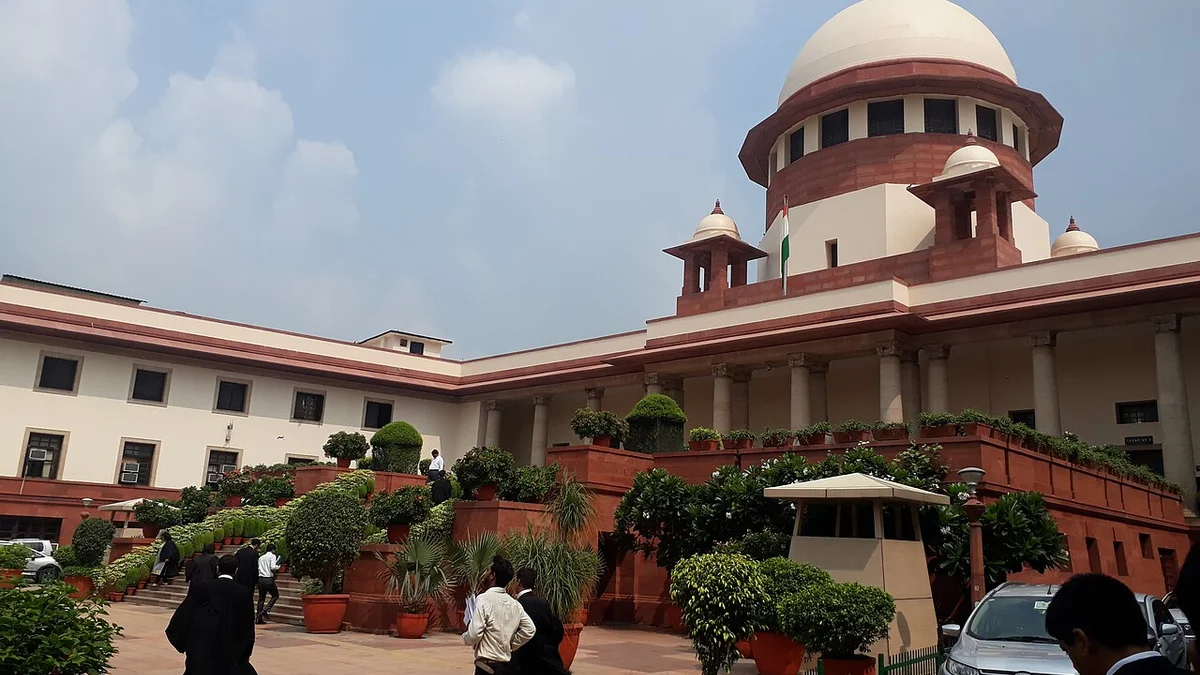
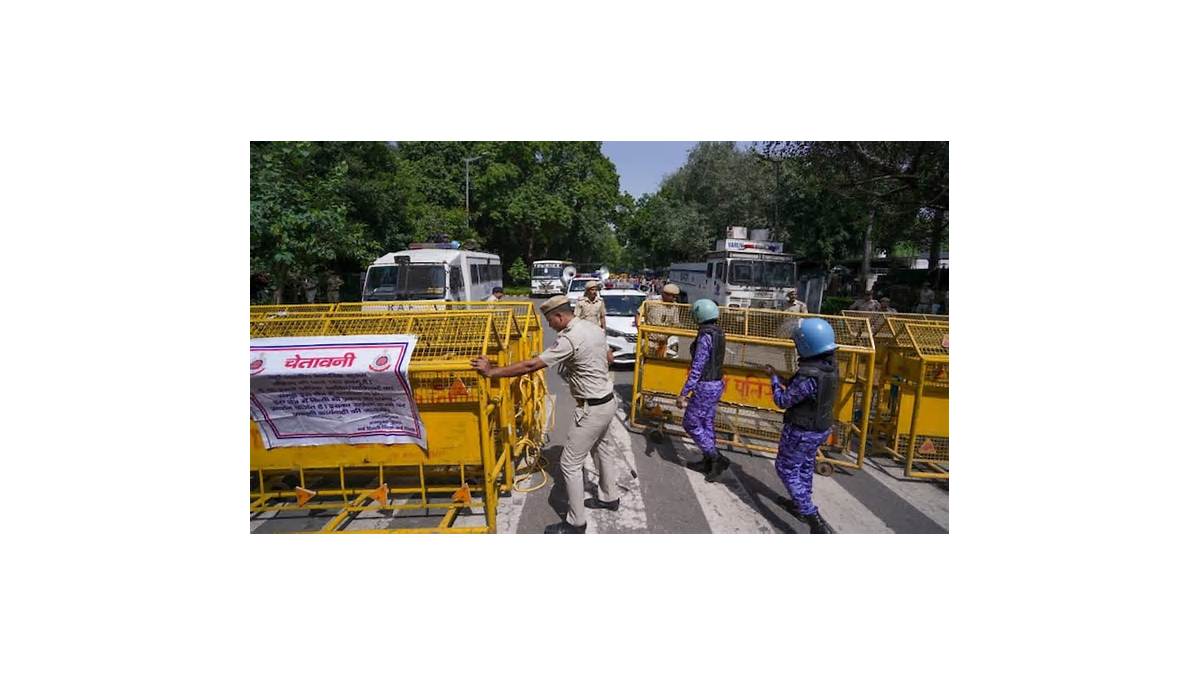
A high-profile hearing took place in the Supreme Court concerning the alleged attacks and misconduct against female journalists during recent protests in the national capital. During the proceedings, Solicitor General Tushar Mehta raised a crucial point regarding the blurred lines between institutional journalism and digital content creation in modern times.
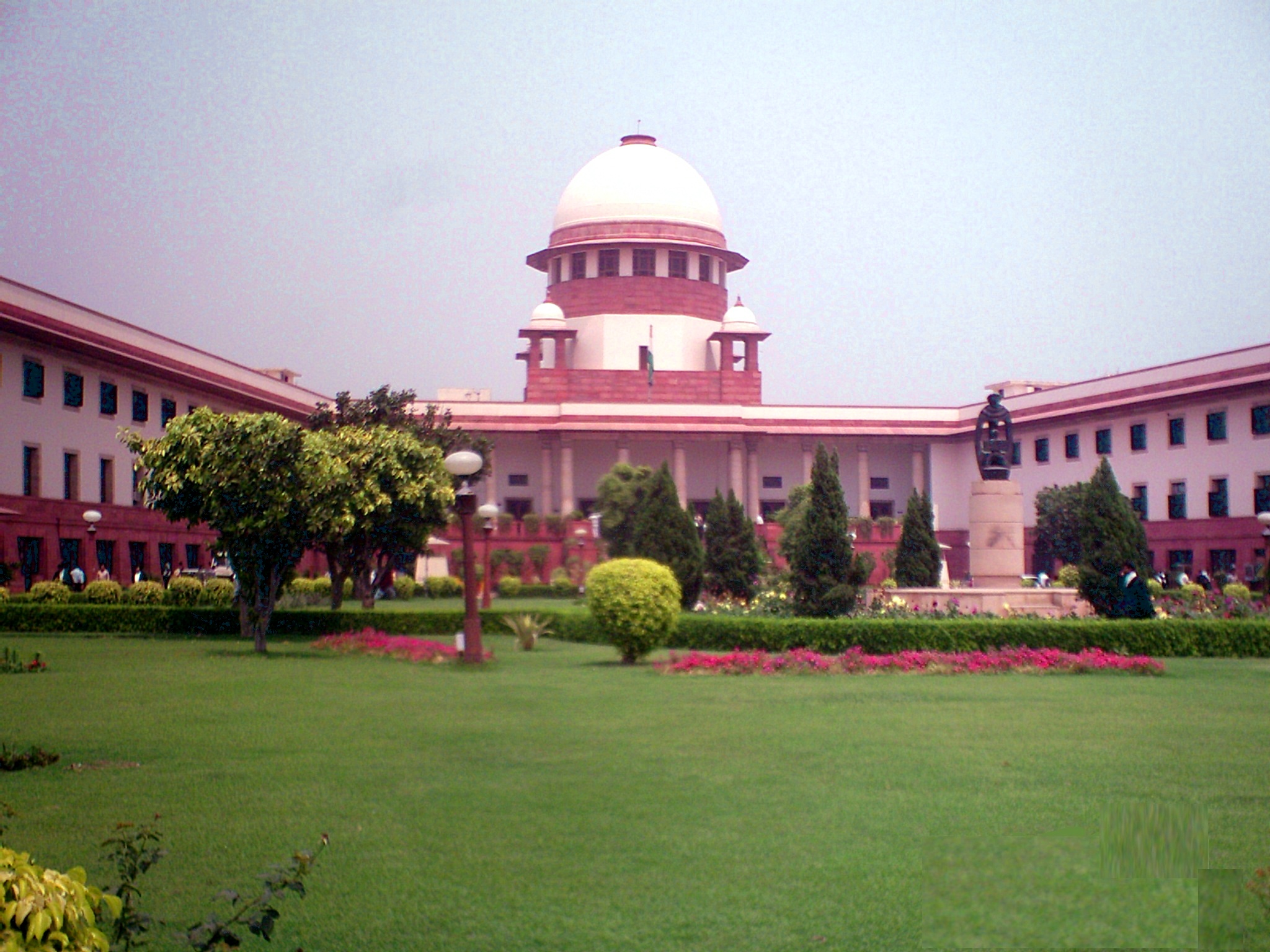
SG Tushar Mehta's Argument: Distinguishing Media from Content Creators
Arguing before the bench, Solicitor General Tushar Mehta stated that in today's tech-driven world, anyone holding a mobile phone can claim to be a reporter. He remarked, "Many individuals carry microphones and claim they are recording news, but they end up posting it as reels on social media platforms. In such scenarios, it becomes nearly impossible to identify who is a genuine journalist and who is merely a reel maker."
Meanwhile, senior advocate Indira Jayisingh represented the affected female journalists, emphasizing that they were simply performing their professional duties when they faced harassment. She argued that journalists are entitled to exercise their fundamental right to work freely and urged the court to issue interim orders. Jayisingh also suggested the formation of an inquiry committee headed by a woman, comprising retired judges and police officials.
Court Directives on Digital Evidence
Taking cognizance of the matter, the Supreme Court directed all law enforcement agencies to securely preserve CCTV footage and other digital evidence related to the protests. Private parties have also been granted the liberty to submit such verifiable digital evidence to the court.
Additionally, the bench issued notices on petitions challenging the constitutional validity of Section 172 of the Bharatiya Nagarik Suraksha Sanhita (BNSS), which mandates citizens to comply with lawful directions issued by police officers, empowering authorities to detain or arrest violators.
'The Freelance' does not independently verify the authenticity of the claims made in videos circulating on social media platforms. Video credits: Respective social media handles and content creators.


National Desk, The Freelance
Verified Editorial DeskPolitics, Governance & Public Interest Reporting Team
The Freelance National Desk provides round-the-clock, verified, and in-depth analytical reporting on Indian politics, governance, policy decisions, parliamentary affairs, and public interest matters. We are committed to unbiased, factual journalism based on verified agencies, official statements, and on-the-ground correspondents.