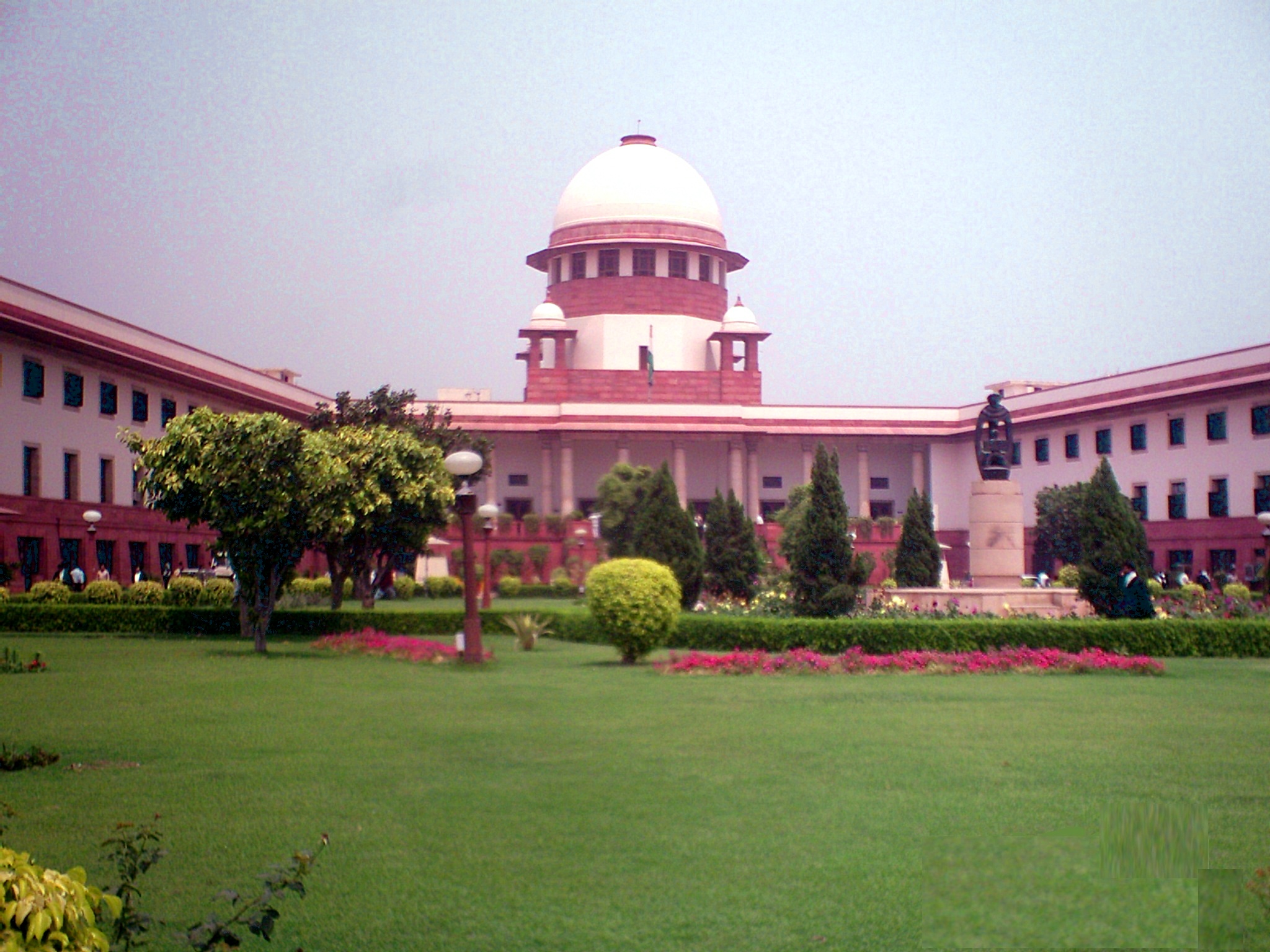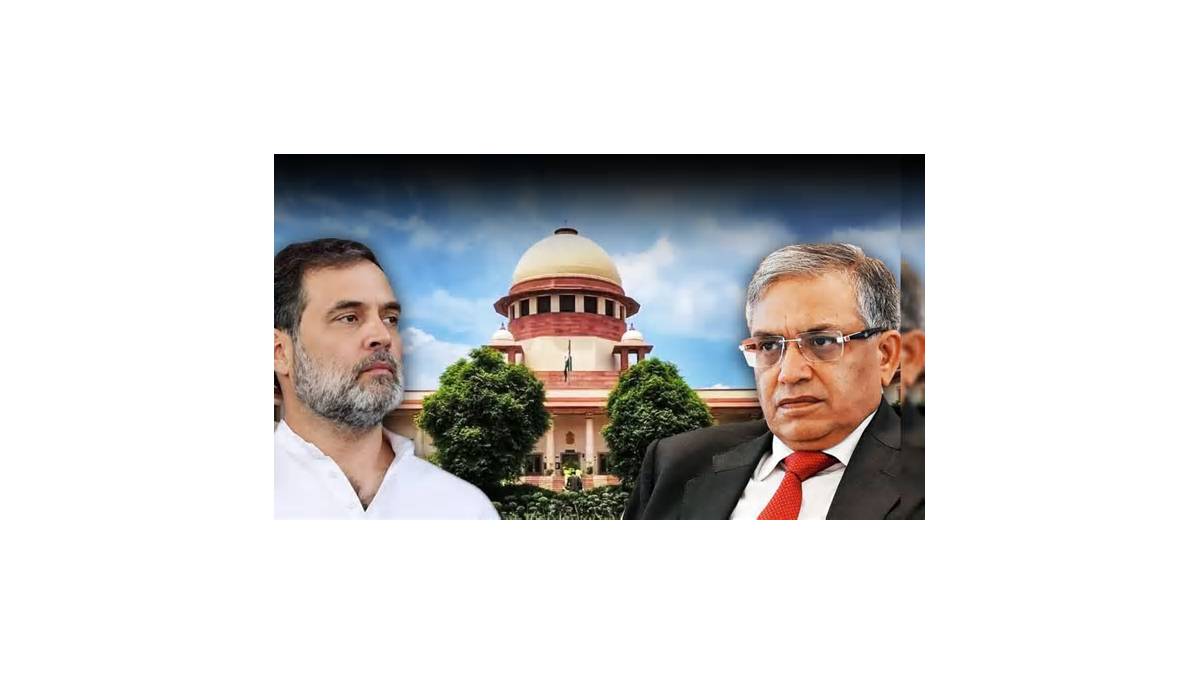
The Supreme Court of India has once again reinforced the absolute independence of the judiciary, making it unequivocally clear that no individual, group, or political entity can intimidate the country's courts. During a recent high-profile hearing, the bench led by the Chief Justice addressed various instances where judicial processes and rulings were subjected to outside pressure and public commentary. The court's firm stance serves as a crucial reminder that the rule of law remains supreme in a democratic framework.
Constitutional experts have long advocated for a strict separation of powers among the legislature, executive, and judiciary. When political demonstrations or public rhetoric attempt to sway judicial outcomes, it undermines public trust in the legal system. The Supreme Court's latest observation underscores that while criticism of judgments through legal appellate channels is always welcome, attempting to exert pressure through protests or aggressive public statements crosses a constitutional red line.
Protecting the autonomy of the judiciary is not merely about shielding judges; it is about safeguarding the fundamental rights of every ordinary citizen who looks to the courts for justice. As the nation continues to navigate complex socio-political landscapes, the judiciary's unwavering commitment to constitutional integrity remains the ultimate bedrock of Indian democracy.