
1. The Core Issue: Background and Chronology of Events
At the center of this investigative report by The Free Lance is a grim reality from the northeastern state of Nagaland, which is often concealed behind official figures and policy claims. Recent data from the Mokokchung and Tuensang districts reveals a harrowing narrative: within a span of just two days, 19 citizens lost their lives after consuming suspected toxic or adulterated liquor in a state that has enforced a total prohibition since 1990. These deaths have once again proven that there is a deep, dangerous chasm between paper-based bans and on-ground enforcement.
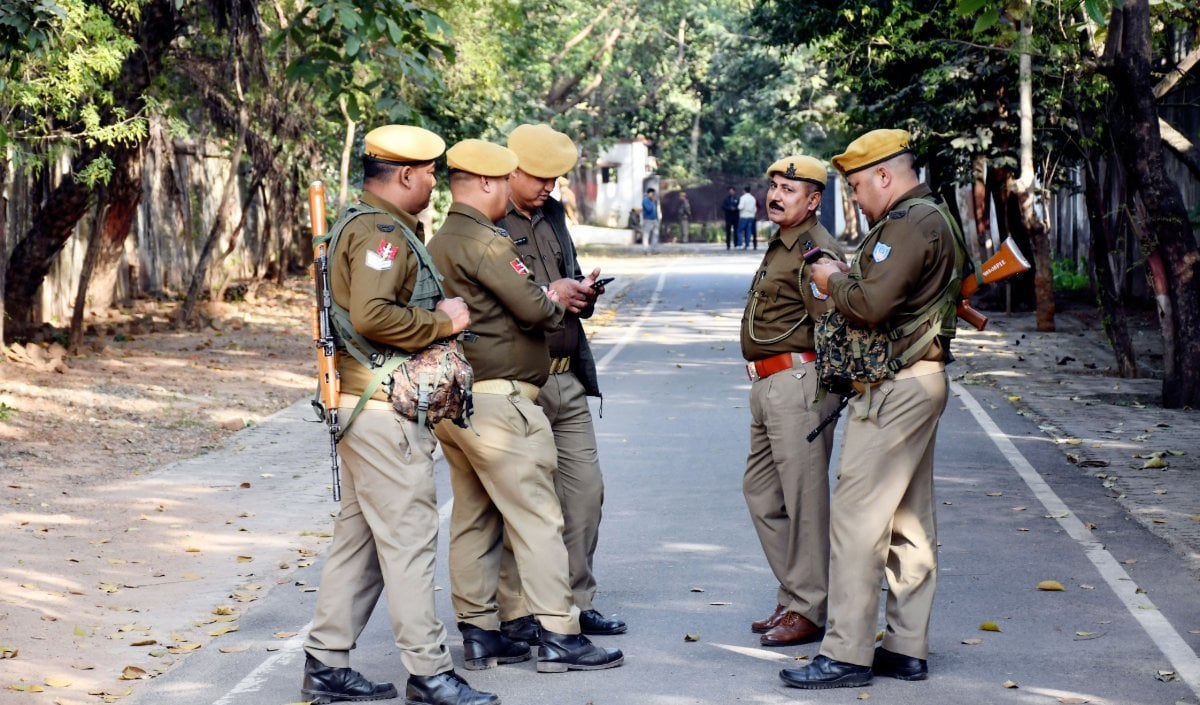
According to preliminary police reports, 8 deaths occurred in Mokokchung and 11 in Tuensang. When grieving families lost their loved ones, the administration finally stirred into action. Senior Superintendent of Police Vesupra Kezo immediately constituted a Special Investigation Team (SIT) led by Additional Superintendent of Police I. Bunglang Chang to uncover how this lethal poison entered the state and which organized syndicates are operating behind the scenes.
In response, police launched massive raids across various parts of the state, resulting in the arrest of 19 individuals and the seizure of nearly 3,000 bottles of illegal liquor. However, these arrests are merely the tip of the iceberg. Police have sent samples of the suspected liquor for forensic examination to Guwahati to scientifically establish the presence of toxic chemicals, such as methyl alcohol, which caused such rapid fatalities.
2. Direct Impact on Ordinary Citizens and Families: Understanding the Math
From the perspective of ordinary citizens, particularly salaried classes and daily wage earners, this tragedy is nothing short of a severe economic and social blow. When the primary breadwinner of a family falls prey to such spurious liquor, the entire economic structure of the household collapses. Children's education, house rent, elderly care, and daily necessities are abruptly derailed. This is not merely a loss of life, but an uncertain future for families left at the mercy of administrative apathy.
The common man bears the brunt economically as well. While illegal liquor syndicates reap massive profits from unlawful trade, vulnerable working-class individuals spend their hard-earned money on these lethal substances. When medical emergencies arise, families are forced into debt to pay for hospital bills. For salaried and wage-earning classes, this situation represents a double jeopardy—threats to personal safety combined with unregulated dangerous markets.
Under Article 21 of the Constitution, every citizen has the fundamental right to life and personal liberty. However, when toxic liquor is easily accessible despite a total prohibition, public trust in state machinery plummets. Do ordinary citizens' lives hold no value? These questions haunt every affected family today.
3. Analysis of Data and Policies: The Gap Between Claims and Reality
Nagaland has a long history of prohibition, rooted in the Nagaland Total Liquor Prohibition Act of 1990, enacted to protect societal fabric and curb crimes. However, three decades of experience demonstrate that mere legal bans do not eradicate consumption or supply; instead, they drive the market underground, making it far more hazardous.
Data indicates that despite the ban, a parallel illegal smuggling network thrives unchecked. The recent seizure of 3,000 bottles and 19 arrests clearly illustrates the deep roots of this supply chain. When legal channels are closed, criminal elements manufacture cheap, adulterated concoctions laced with toxic chemicals, selling them at exorbitant profits. The ultimate price is paid by innocent citizens with their lives.
For policymakers, this is a time for serious introspection rather than complacency. Does putting up prohibition signboards fulfill governmental responsibility? Can such massive syndicates operate without the tacit connivance of enforcement agencies? Data strongly suggests that unless accountability is established within excise and police departments, such tragedies will recur.
4. Perspectives from Experts and Policymakers
A significant segment of public health experts and policy analysts argues that the time has come to review prohibition policies in states like Nagaland. They contend that when consumption and illegal availability persist despite bans, governments must acknowledge that existing policies have partially failed. Implementing strict regulatory frameworks, quality controls, and public awareness campaigns could save countless lives.
Conversely, influential social and church organizations strongly advocate for maintaining prohibition, fearing that policy relaxation would lead to moral degradation. Nonetheless, they agree that the government must crack down ruthlessly on illicit traders. Policymakers remain divided on whether to reinforce total prohibition with stricter enforcement or adopt pragmatic regulatory models.
"The sale of toxic illicit liquor in prohibition-bound states is not just a violation of law, but a direct assault on the right to life of citizens. Unless the masterminds behind the supply chain face political and administrative accountability, such tragedies will continue." — Public Policy Analyst
5. Legal and Systemic Aspects: Gaps and Challenges
Significant administrative and legal loopholes have been exposed by this incident. The primary failure lies in intelligence gathering by excise and police departments. How did thousands of bottles of illegal liquor enter the state and get stocked in secret hideouts without local intelligence noticing? This points directly toward administrative laxity or complicity.
Cross-border smuggling presents another major challenge. Nagaland's geographical terrain and porous borders with neighboring regions provide easy transit routes for traffickers. Without robust check-posts and modern surveillance technology, curbing this illegal trade remains an uphill task for law enforcement. Furthermore, sluggish judicial processes and delayed trials embolden criminals.
Unless investigation timelines are expedited and culprits face exemplary punishment through speedy trials, these illegal networks will continue to thrive. All eyes are now on the SIT to see whether its investigation goes deep enough to unmask the real perpetrators or merely scratches the surface.
6. The Free Lance Take and Essential Advice for Readers
The Free Lance firmly believes that the rule of law is meaningful only when it safeguards the lives of ordinary citizens. Health and safety cannot be compromised behind paper-bound bans. Strict accountability must be fixed on officials and liquor mafias responsible for this disaster.
We strongly advise our readers, consumers, and citizens never to consume unknown, unlabelled, or suspicious illegal alcohol. If you notice any illicit trade operating in your vicinity, report it to administrative authorities immediately. If anyone exhibits symptoms such as dizziness, blurred vision, severe breathing difficulty, or unconsciousness after consuming alcohol, rush them to the nearest hospital without delay. Your vigilance is your family's greatest shield.


