
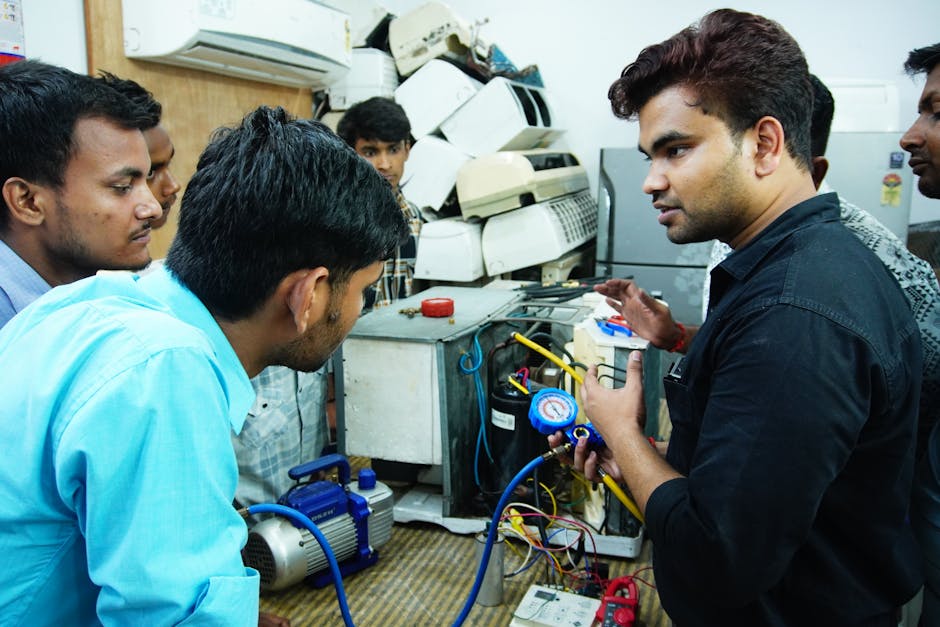
Transforming Vocational Education for Better Job Prospects
Traditional academic degrees alone are no longer sufficient to secure a stable future for young aspirants. In today's fast-evolving industrial landscape, practical knowledge and technical skills have become paramount. Recognizing this, educational frameworks across regions are undergoing significant restructuring to bridge the gap between classroom learning and real-world employment.
Experts emphasize that vocational training must directly align with market demands. Without synchronizing educational curricula with actual industry requirements, equipping the youth with sustainable livelihood opportunities remains a daunting challenge. Educational authorities are now focusing on robust collaborations between training institutes and industrial sectors to foster practical exposure.
Adapting Curricula to Modern Labor Market Demands
The priorities of the modern job market have shifted dramatically towards high-tech agriculture, food processing, tourism, healthcare, information technology, and automotive engineering. Institutions are actively revising their programs to cater to these emerging sectors, ensuring that graduates possess the exact competencies demanded by contemporary employers.
While placement rates in well-equipped institutes remain encouraging, infrastructural disparities across rural and urban centers continue to pose challenges. Upgrading equipment and hiring experienced instructors with industrial backgrounds are vital steps currently being prioritized by administrators.
Empowering Rural Workforces Through Practical Skills
Skill development in rural areas holds the key to grassroots economic empowerment. By acquiring practical trades such as agricultural machinery repair, advanced animal husbandry, or culinary services, individuals can generate sustainable incomes locally, thereby reducing distress migration toward urban hubs.
Collaborative support systems involving local governance, employment agencies, and community livelihood programs are essential in helping trainees transition smoothly from learners to independent earners or entrepreneurs.


