
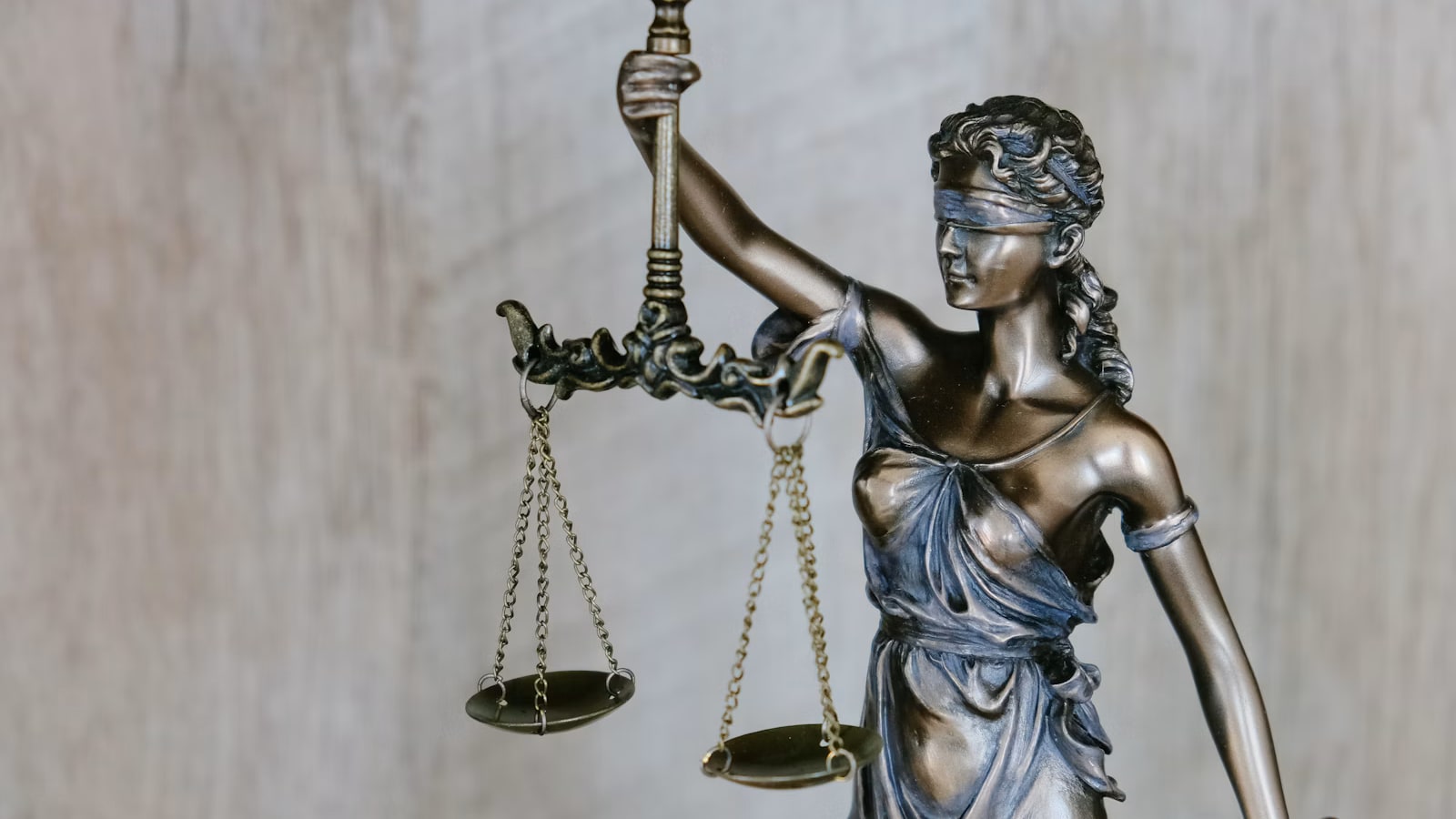
A deep sense of anxiety is rippling through the political and social landscape of West Bengal. The issue is not merely about electoral heat, but directly concerns the foundational pillar of Indian democracy—the right to vote. Recently, a sensitive and serious debate has emerged, with a former jurist questioning the stance of the Supreme Court, stating that despite the deprivation of voting rights of nearly 9 million (90 lakh) voters in Bengal, the apex court has failed to take concrete and decisive action. As a senior field reporter for 'The Freelance', when we dug deeper into the matter, several startling and multidimensional aspects came to light.
The Crisis of Voting Rights and the Role of Judiciary
Elections are the greatest festival of democracy, and its soul is the legitimate vote of every single citizen. However, when the voting rights of millions are suddenly threatened, it ceases to be a mere administrative error. Discussions are rife from legal corridors to political chaupals regarding this alleged voter crisis in Bengal. The statement by former judges that the judiciary has not shown the expected firmness in this matter demands deep introspection. Are our constitutional institutions as vocal as they should be during such times of crisis? This is the question lingering in every conscious citizen's mind.
Uprising on the Streets: Voices Rising for Democratic Rights
While this issue is being deliberated in legal corridors, political parties and social organizations have ramped up their ground-level activism. Recently, Congress workers raised their voices strongly to protect democratic rights. Protests and rallies are being organized in various parts of the state. Party workers assert that the infringement of citizens' fundamental rights will not be tolerated at any cost. However, political analysts believe that these protests should not be viewed merely through an electoral lens, but rather as a reflection of genuine public anger.
Impact on Social Fabric and Other Discourses
The news emerging from Bengal and surrounding areas is not limited to electoral politics alone; it deeply impacts other societal spheres as well. On one hand, debates over the deprivation of democratic rights are raging, while on the other hand, concurrent events—such as 'Jalarpan' campaigns to educate villagers on water conservation and relief distribution by welfare committees among flood victims—showcase a parallel world of contradictions within society. On one side is the battle for rights, while on the other, struggles for basic human needs and empathy continue to thrive.
Future Implications and Conclusion
In the times to come, this voter dispute in Bengal will play a crucial role in determining the course and direction of Indian politics. If this issue involving 90 million voters is not resolved with fairness and transparency, it could leave a permanent scar on the credibility of our democratic system. Our investigation as senior reporters indicates that mere court statements or political rallies will not suffice; the Election Commission and the judiciary must collaborate to formulate a transparent and concrete blueprint to ensure every citizen's vote remains secure.