Political Upheaval in Germany: All Eyes on Mecklenburg-Vorpommern Elections
The political landscape in Germany is currently passing through a highly sensitive and thrilling phase. Following Saxony-Anhalt, the political developments in the state of Mecklenburg-Vorpommern have drawn nationwide attention. Political corridors across Europe's economic powerhouse are discussing how these upcoming regional polls will dictate the future course of German politics.
Most notably, the surging strength of the right-wing Alternative for Germany (AfD) party has alarmed established political forces. Analysts suggest that a strong showing by the AfD could deliver a severe blow to Chancellor Friedrich Merz and his party, forcing a serious rethink of national policies.
The Regional Premier's Bold Stance: A Direct Battle Against the AfD
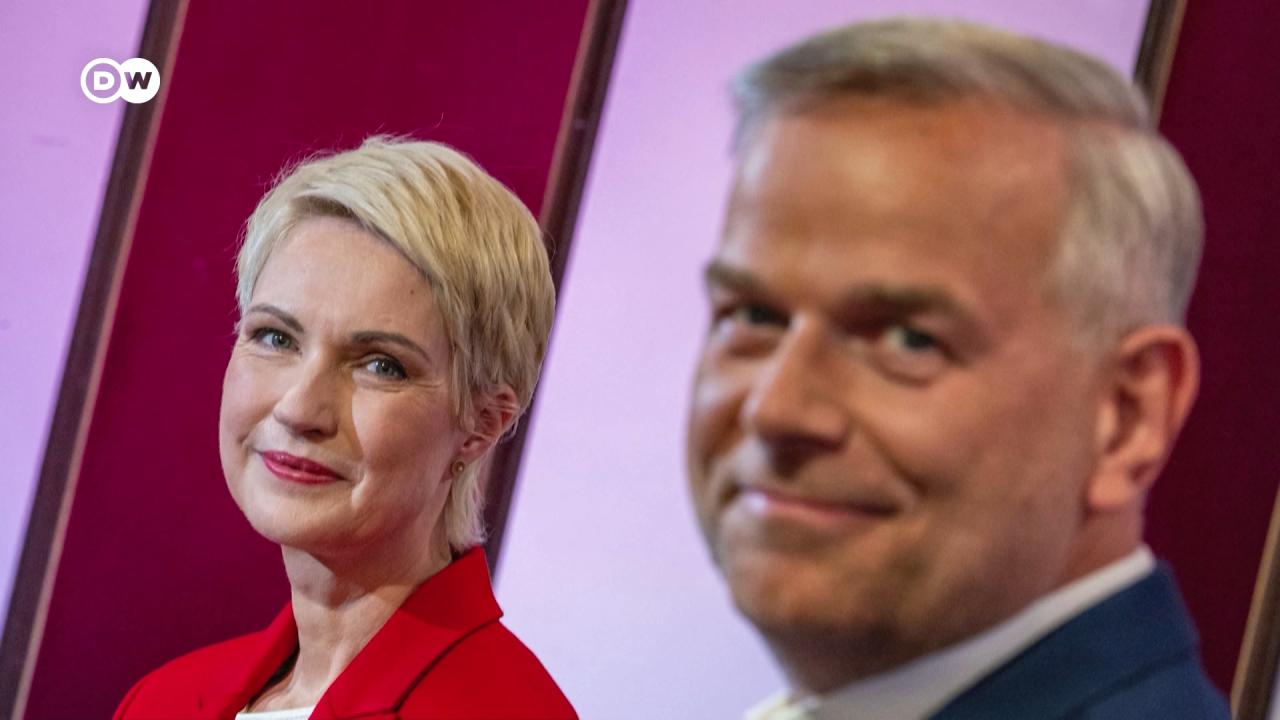
The political contest in Mecklenburg-Vorpommern has intensified dramatically. The state's popular Chief Minister has put her political capital on the line, clearly declaring that the fight is directly between her leadership and the AfD. This uncompromising stance has electrified the local campaign trail.
Widely regarded as more popular than her own party locally, the Premier is banking on personal credibility to halt the right-wing wave. Observers note that if strong regional leadership fails to contain the AfD, national reverberations will be inevitable.
A Major Test for Chancellor Friedrich Merz and Conservative Forces
For current Chancellor Friedrich Merz and the Christian Democratic Union (CDU), these elections serve as a crucial litmus test. Internal pressures have mounted following previous regional setbacks, and a poor result in Mecklenburg-Vorpommern could trigger direct questions regarding Merz's leadership.
Persisting public discontent over inflation, energy security, and immigration policy has provided fertile ground for the AfD's populist narrative. Chancellor Merz must urgently address these foundational economic and social concerns to prevent conservative voters from drifting further toward right-wing radicalism.
Conclusion: What Lies Ahead for German Democracy?
The electoral outcome in Mecklenburg-Vorpommern goes far beyond regional governance; it tests the democratic resilience of Germany itself. As mainstream parties scramble to counter polarization, the choices made by voters here will resonate deeply across the entire European Union.