
Lavani, the traditional folk dance synonymous with Maharashtra's cultural identity, is currently standing at a crossroads. Following the Maharashtra government's recent mandate making a 'suitability certificate' compulsory for DJ Lavani and stage performances, a intense debate has sparked across corridors and social media. While the government maintains a strict stance that vulgarity in the name of art will not be tolerated, a section of artists and culture enthusiasts view this as administrative policing on freedom of expression and the traditional form of folk culture. 'The Freelance' ground team has deeply investigated this entire episode.
From Peshwa Darbar to the Stage of Tamasha
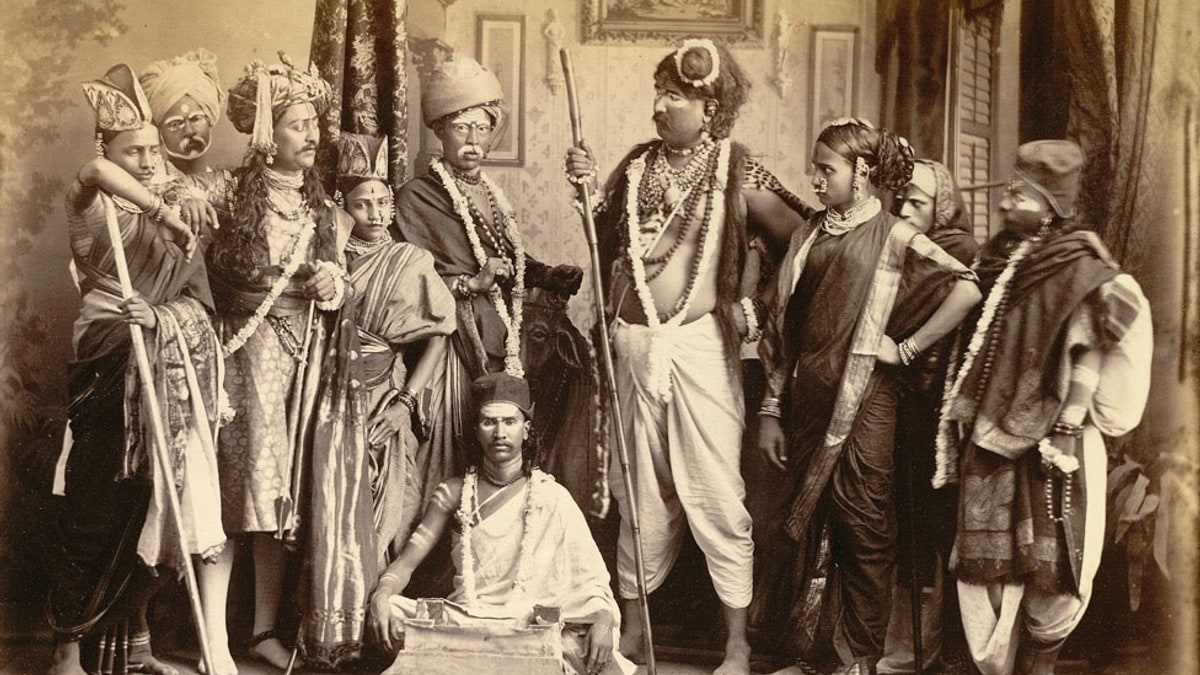
The history of Lavani dates back nearly 300 years. During the Peshwa era in the 18th century, this art form reached its zenith. Starting as a medium to entertain kings, emperors, and soldiers, the dance gradually became an integral part of public life, especially in 'Tamasha' and folk theaters. Turning the pages of history, Lavani has not just been a dance, but a powerful medium to comment on social and political issues, expressing valor and romance. Whether it is the Lavani of Veer Tejaji in Rajasthan or its verses echoing in the villages of Maharashtra, this folk genre has always captured the pulse of society.
The Termite of 'Vulgarity' under the Guise of Modernity
Over time, the format of Lavani stages has transformed. The beats of traditional dholki and manjira have been replaced by deafening DJ tunes and remix songs. In recent years, the trend known as 'DJ Lavani' sidelined the dignity of art, letting commercialization and vulgarity take over. Organizers compromised the core grammar and decency of Lavani just to gather crowds. This very reason compelled the state government to take stringent steps to rescue this historical heritage.
New Rules: Mandatory Suitability Certificate
Under the government's new guidelines, no 'DJ Lavani' or public stage show can now be organized without a suitability certificate. The administration argues that this is not censorship, but a regulatory step to preserve the purity of art. However, at the ground level, this has posed a major challenge for artists trying to earn a livelihood while navigating slow and complex bureaucratic procedures.
- The Maharashtra government has enforced strict rules to curb vulgarity in Lavani shows.
- 'DJ Lavani' shows can no longer be held without a 'suitability certificate'.
- The history of this 300-year-old folk dance is rooted in the Peshwa court and Tamasha tradition.
- The core essence of Lavani faces a threat due to modernity and remix culture.
Cultural Heritage vs. Artist's Livelihood
When our team spoke with several senior Lavani artists and organizers, mixed reactions emerged. Many traditional artists welcomed the decision, believing it will curb fake performers spreading obscenity on stage and restore respect to genuine folk artists. Conversely, others expressed concern that implementation transparency is vital to prevent the harassment of artists under the guise of police or administration.
Conclusion and Way Forward
Lavani is a precious gem not just of Maharashtra's, but the nation's cultural heritage. The way this art form has been appreciated recently—from Hindi Diwas platforms to cinema (such as Shraddha Kapoor's Lavani avatar)—demonstrates its enduring popularity. The need of the hour is to curb vulgarity while preserving this 300-year-old folk tradition in its original and graceful form, ensuring future generations can take pride in its rich history.