The Complex Geography of the Asian Games
The Asian Games, often referred to as the Olympics of Asia, feature athletes from 45 countries competing across various disciplines. However, looking closely at the map of Asia raises a curious question: why are major countries like Russia, Turkey, and Israel, which hold substantial territory in Asia, missing from these games?
The answer goes far beyond simple geography. A nation's participation in international sporting events is determined by its history, sports body memberships, international relations, and geopolitical dynamics, shaping entirely different trajectories for these three nations.
Israel's Exit Due to Regional Politics
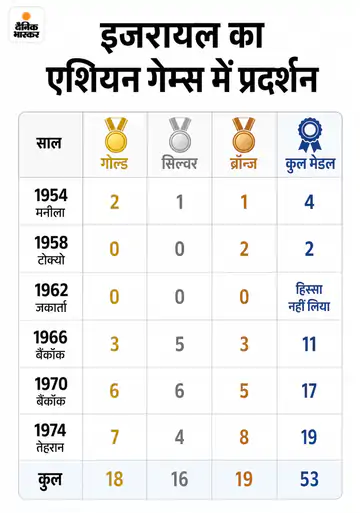
Israel was once an active participant in the Asian Games, competing from 1954 to 1974. However, rising political tensions in West Asia severely impacted sports. By the 1962 Jakarta Asian Games, host Indonesia did not invite Israel, and numerous Arab nations objected to competing against Israeli athletes. When the Olympic Council of Asia was formed in 1981, Israel was excluded and subsequently integrated its sports infrastructure with European bodies.
Turkey: Asian Territory, European Sports Framework
Approximately 97 percent of Turkey lies within the Asian continent, specifically in Anatolia. Despite this, Turkey chose to align its political, economic, and sporting frameworks primarily with Europe following the formation of modern Turkey in 1923, participating extensively in European sports competitions rather than Asian ones.
Russia and Australia: Unique Sporting Geopolitics
While 75 percent of Russia's land is in Asia, the majority of its population and its major administrative centers reside in Europe, tying its sports legacy firmly to European institutions. Meanwhile, Australia—though not in Asia—strategically aligned its football associations with Asia to improve its World Cup qualification prospects, paving the way for occasional guest appearances in regional events.