
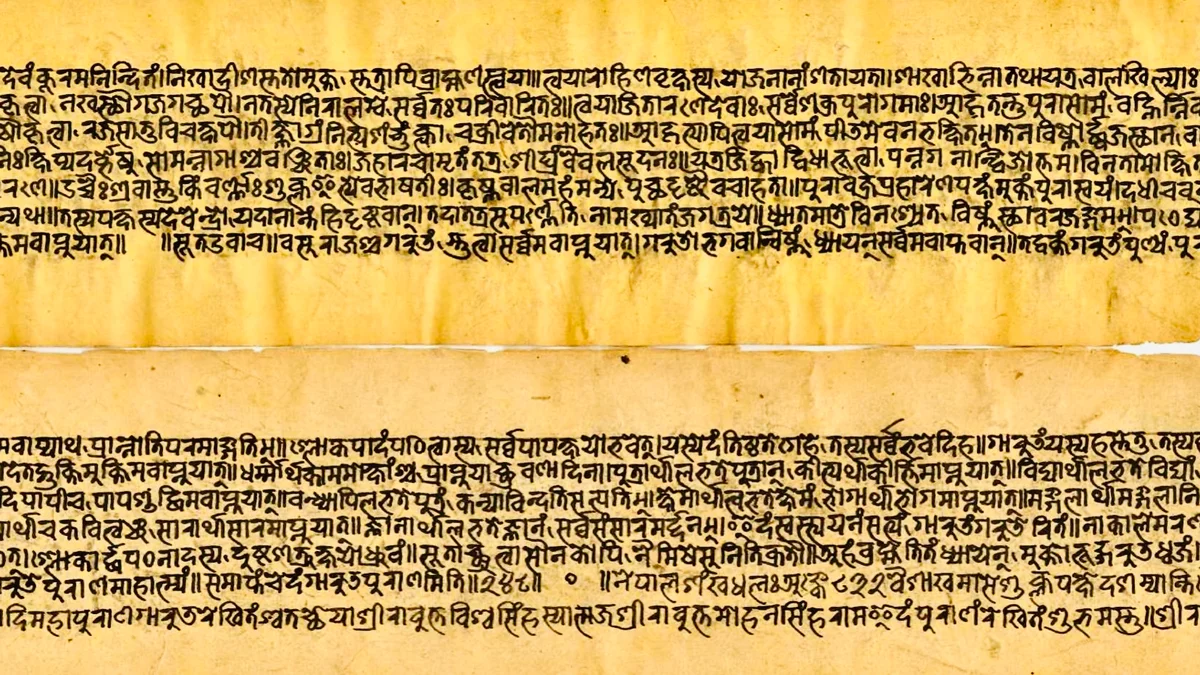
Pitra Paksha is considered the most sacred period to pay homage and seek peace for the souls of departed ancestors through rituals like Pind Daan, Tarpan, and charity. However, families often grapple with a deeply emotional and complex question: Should Shraddha be performed for infants or unborn children? Ancient scriptures provide explicit guidelines on this matter.
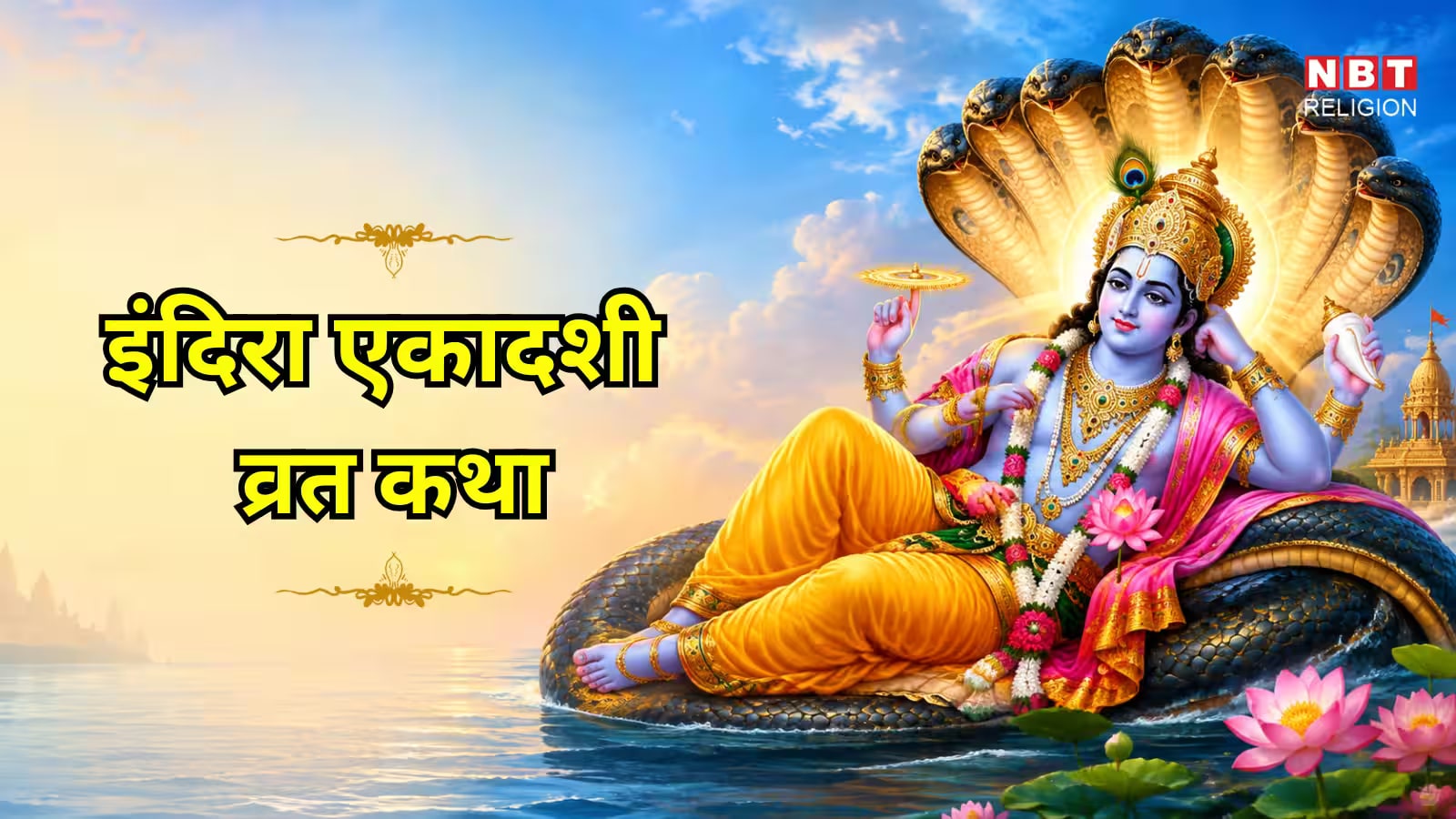
Shraddha Rules and Age Limits According to Garuda Purana
According to the Garuda Purana, Shraddha rites are categorized differently based on the age of the deceased. Scriptures state that unborn children—those who pass away during pregnancy—do not undergo traditional Shraddha. Similarly, children who pass away within two years of birth do not have traditional Shraddha performed for them.
Furthermore, if a child passes away between the ages of 2 and 6, traditional Shraddha is still not conducted. Instead, special rites and rituals under the tradition of 'Malinshodshi' must be performed for children in this specific age group.
What is the Malinshodshi Ritual?
As per the Garuda Purana, the Malinshodshi ritual is performed following the demise of children aged between 2 and 6 years. This process lasts for about 10 days and is also referred to as 'Dashagatra'. The ritual involves offering a total of 16 Pinds to facilitate liberation from the preta yoni and spiritual progression.
- A total of 6 Pinds are offered from the time of death until the cremation procession and collection of ashes.
- Following this, the Dashagatra ritual begins, where one Pind is offered daily for the next 10 days starting from the day of passing.
- These Pinds are prepared using barley flour or rice, black sesame seeds, milk, ghee, and honey.
The information provided in this article is based on traditional religious scriptures and general beliefs. 'The Freelance' does not independently verify absolute authenticity. Readers are advised to consult a qualified priest or spiritual guide before performing any rituals.


Culture & Spirituality Desk, The Freelance
Verified Editorial DeskCulture, Heritage & Philosophy Desk
Exploring Indian philosophy, heritage architecture, cultural festivals, and spiritual traditions with historical context and respect. We are committed to unbiased, factual journalism based on verified agencies, official statements, and on-the-ground correspondents.