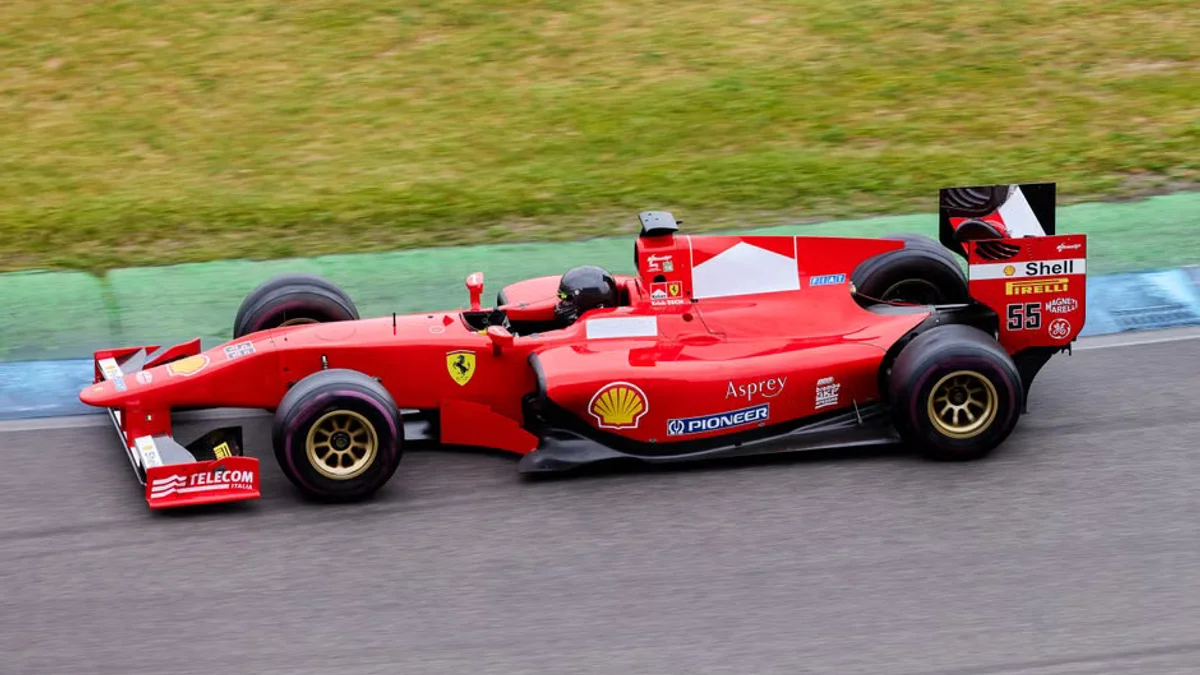
The high-octane world of Formula 1 has dominated global sports headlines as constructors race to introduce vital technical updates and aerodynamic packages designed to extract critical tenths of a second on the track. With the championship battles intensifying across both the Drivers' and Constructors' standings, engineering departments are working around the clock.
In parallel, the F1 driver market remains a hotbed of speculation. Team principals are currently evaluating driver lineups for the upcoming seasons, leading to intense negotiations behind closed doors. Rumors concerning potential seat swaps and rookie promotions have kept motorsport enthusiasts and media outlets captivated.
Regulatory compliance and cost cap management also remain central themes of discussion within the paddock, as the FIA continues to scrutinize development expenditures to ensure competitive fairness. Teams must delicately balance current-year car development with early research into the sweeping regulatory overhauls scheduled for upcoming seasons.
As the Grand Prix calendar heads into its most grueling phase, tactical execution, tyre management, and reliability will dictate championship success. Fans worldwide eagerly await the lights going out at the next marquee event.
Key Highlights
- Formula 1 teams introduce critical aerodynamic upgrades to bolster championship bids.
- Driver market speculations and contract negotiations dominate paddock discussions.
- FIA continues strict enforcement of financial cost caps and technical regulations.
The relentless pace of innovation ensures that Formula 1 remains the pinnacle of motorsport engineering and global athletic competition.