
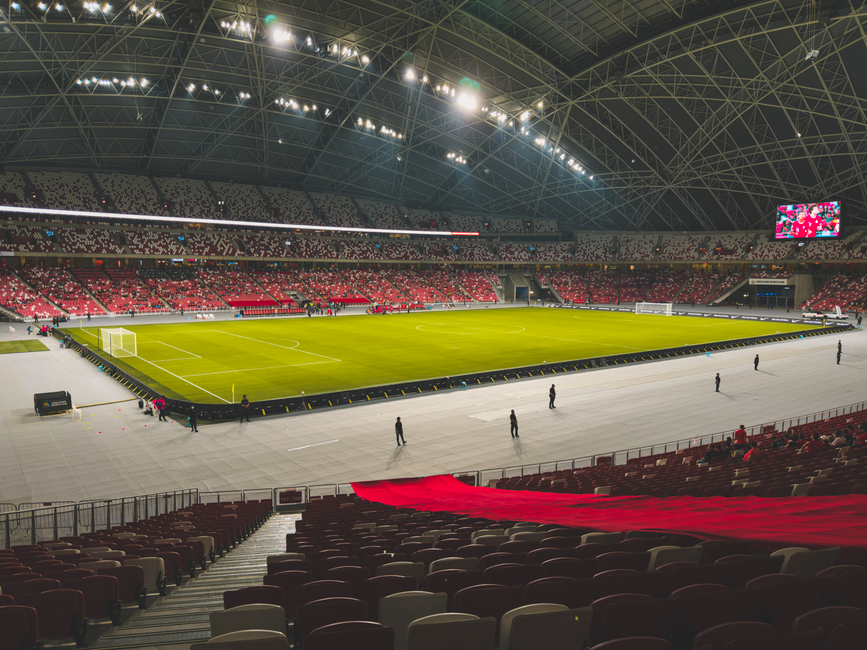
N.A. — The UEFA Nations League has solidified its status as a cornerstone of international football, drawing immense global viewership and high-stakes competition across Europe. As national teams battle through the tournament's group stages, the geopolitical and cultural resonance of these matches extends far beyond the pitch, uniting nations and driving billions in global media rights.
Sports economists and broadcasting executives note that the tournament structure has successfully replaced traditional international friendlies with competitive, high-value fixtures. This shift not only maximizes commercial engagement for European football federations but also provides vital developmental benchmarks for emerging national squads looking to establish prominence on the world stage.
Furthermore, international sports governance bodies continue to evaluate the tournament's format as a potential model for global competitions, balancing player welfare with the demands of an expanding international calendar.
Key Highlights
- High-stakes fixtures driving record international television viewership and commercial revenue.
- Replacement of traditional friendlies with competitive matches enhancing team development.
- Ongoing evaluation of tournament formats by global sports governance bodies.
As the competition progresses toward its decisive knockout phases, the Nations League remains a powerful convergence of athletic excellence and international cultural exchange.


