Apple Pay Makes Its Long-Awaited Debut in India
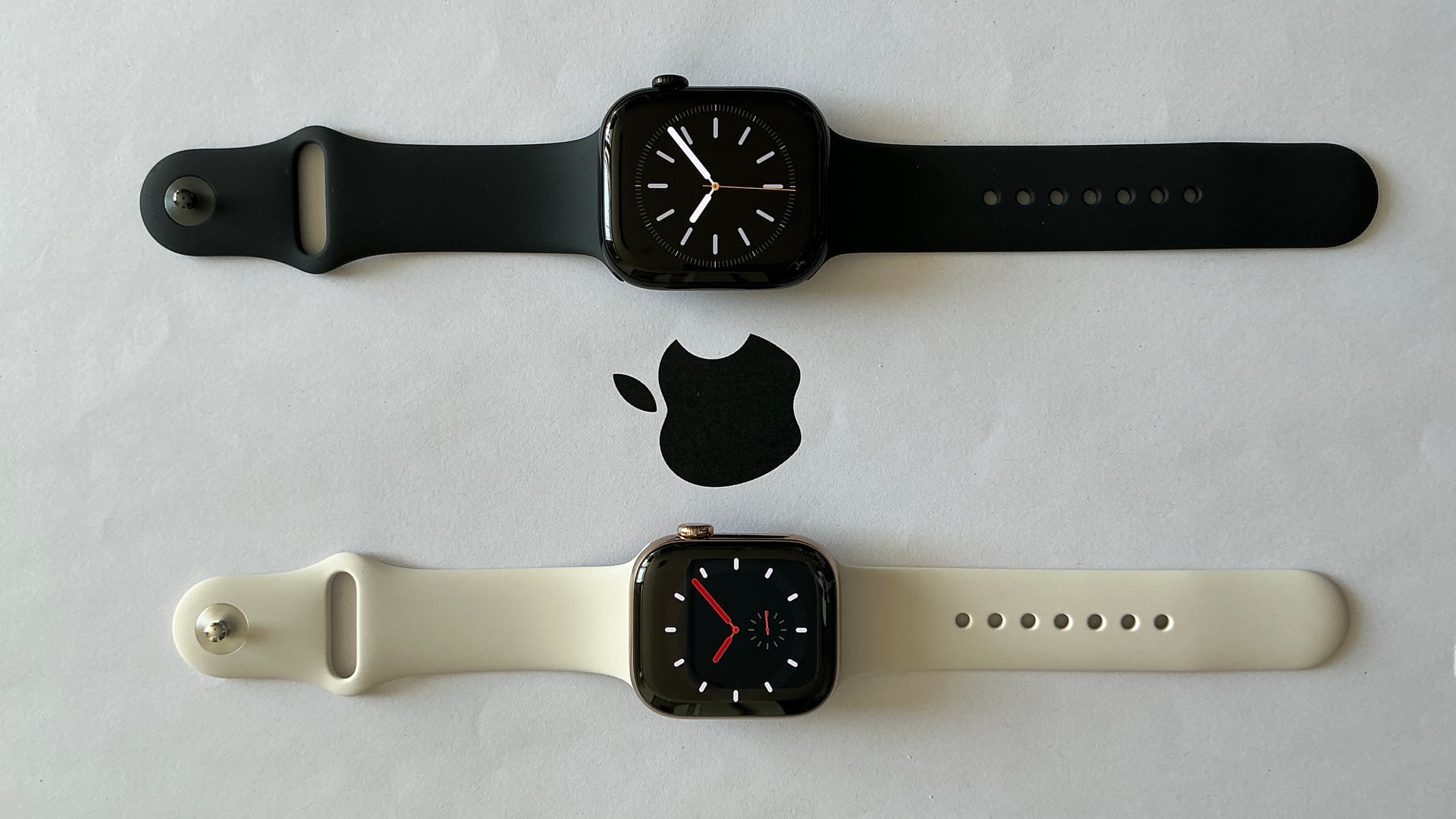
Tech giant Apple has officially launched its digital payment service, Apple Pay, in the Indian market. iPhone, iPad, and Apple Watch users can now add their eligible credit cards to the Apple Wallet app and make seamless payments at retail stores, apps, and supported websites. While the service arrived in the US back in 2014, Indian consumers have had to wait a full decade to access it.
Entering a market heavily dominated by UPI, Apple Pay brings a distinct value proposition focused on card digitization and contactless near-field communication (NFC) payments rather than QR code scanning.
Axis Bank Becomes the First Banking Partner
At launch, Apple has partnered with Axis Bank to bring this service to Indian customers. Initially, support is restricted to Axis Bank-issued Visa and Mastercard credit cards. Users can easily link their cards by opening the Apple Wallet app and following the on-screen setup steps.
Apple has confirmed that support for additional banks, card networks, and financial institutions will be rolled out gradually in the coming months. Currently, RuPay cards and direct UPI integration are not supported.
How Contactless Payments Work Without PIN or OTP
The primary advantage of Apple Pay is the elimination of physical cards, PINs, or OTPs during retail checkout. Users can authenticate transactions securely using Face ID or Touch ID on their iPhone or Apple Watch and simply tap the device against an NFC-enabled payment terminal.
"Apple Pay makes everyday card purchases easier, more secure, and private, letting users pay in stores with just a tap without exposing physical card details." — Jennifer Bailey, VP of Apple Pay
Privacy, Security, and Future Outlook
Security remains a cornerstone of Apple Pay, with device-level biometric authentication ensuring that card numbers are never stored on Apple servers or shared with merchants. As adoption grows, this premium contactless payment alternative is expected to transform how Apple device owners handle daily retail transactions across the country.