Major Shift in India's Car Market with CAFE-3 Norms
The Indian automotive sector is gearing up for a monumental transformation as the central government prepares to implement stricter emission and fuel efficiency standards. While high sales volumes were previously the primary focus for automakers, the upcoming framework will shift the spotlight toward environmental sustainability and cleaner fuel technologies.
The Ministry of Road Transport and Highways (MoRTH), in consultation with relevant departments, has officially notified the Corporate Average Fuel Economy (CAFE-3) phase 3 regulations. These rigorous norms will come into effect on April 1, 2027, and remain operational until March 31, 2032, pushing manufacturers to innovate and reduce their carbon footprint significantly.
Strong Incentives for Electric and Hybrid Vehicles
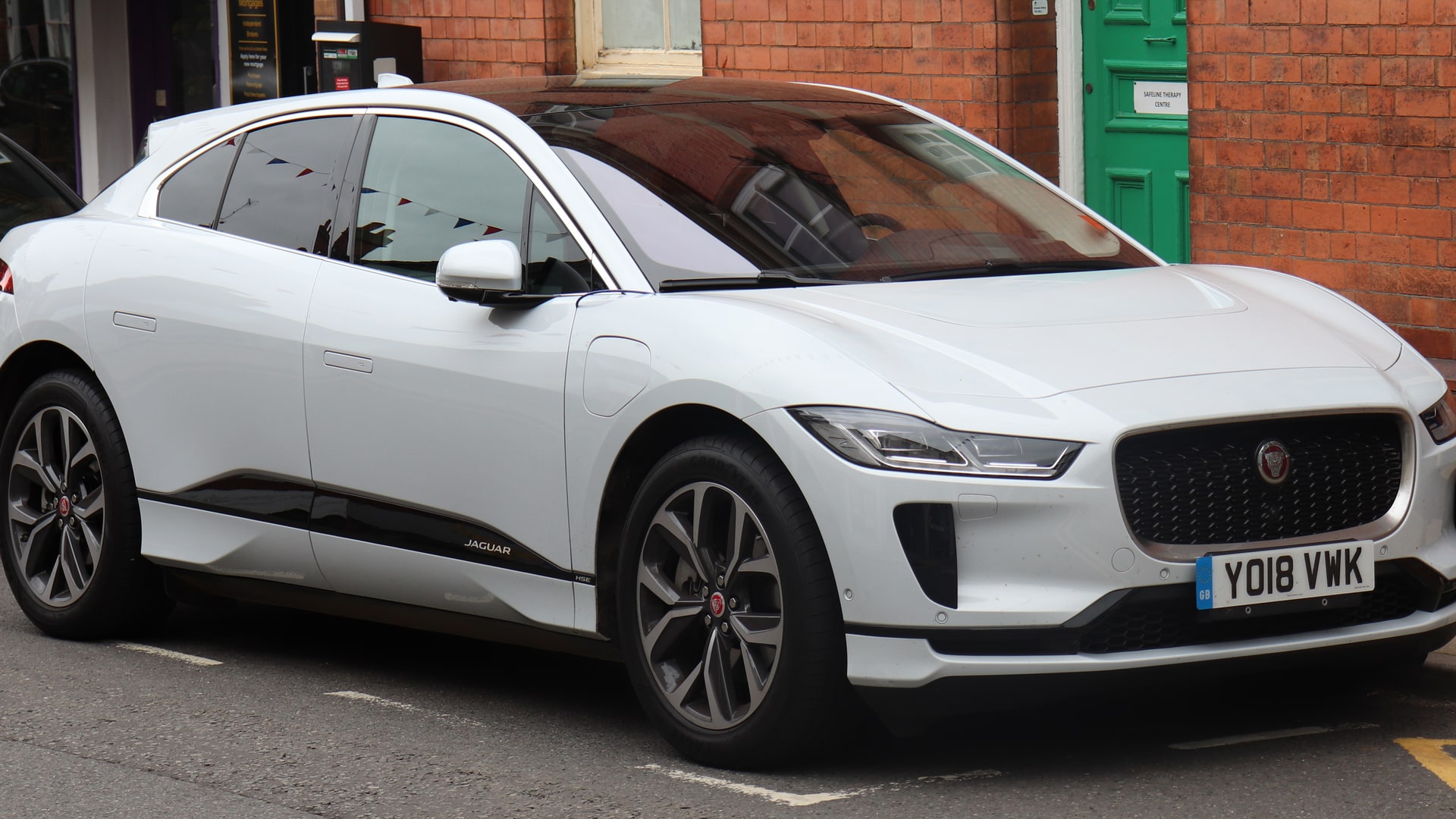
A standout feature of the CAFE-3 guidelines is the robust support extended to green technologies. Under the newly established super-credit mechanism, a single battery electric vehicle (EV) will be counted equivalent to three conventional cars within a manufacturer's fleet, simplifying compliance for carmakers.
Additionally, strong hybrids, flex-fuel vehicles, and other advanced fuel-saving technologies will reap substantial benefits. This policy is designed to compel automakers to accelerate their transition toward sustainable mobility, driving wider adoption of eco-friendly alternatives across the country.
Rigorous Mathematical Framework and Targets
The calculation of annual average fuel consumption for automakers will be based on the Modified Indian Driving Cycle (MIDC) using the formula 'a x (W - b) + c'. The specified targets for parameters 'a' and 'c' have been scheduled progressively over a five-year period, tightening the permissible limits year by year until 2032.
Heavy SUVs and large vehicles will face particularly stringent targets, compelling manufacturers to re-engineer their entire product lineups to meet the stringent carbon neutrality benchmarks set by the authorities.