The historic city of Kumbakonam in Tamil Nadu is currently making national headlines for two entirely different reasons. On one hand, political corridors are reverberating with major upsets, while on the other, the dark pages of the city's past—which once shook the entire nation—are being revisited. When The Freelance's on-the-ground investigative team visited this cultural and political hub, several layers came to the surface. The heat of political change and the ache of history are both palpable in the city's air.
TVK's Stunning Entry and Defeat of DMK
The recent assembly election results in the Kumbakonam constituency have stunned traditional political analysts. In this region, considered a stronghold of Dravidian politics, Thalapathy Vijay's party 'Tamizhaga Vetri Kazhagam' (TVK) has handed a crushing defeat to the ruling DMK. Conversations with local voters revealed that the electorate is now moving away from traditional choices and embracing new political faces and winds of change. TVK's victory is being seen as a turning point in Tamil Nadu's politics.
The Dark Day of 2004: When Innocence Burned
Amidst the political turmoil, the very mention of Kumbakonam refreshes the memory of the horrific morning of July 16, 2004, when one of the country's worst fire tragedies engulfed a local school. That devastating accident claimed the lives of 94 innocent children, shaking the entire nation. Recently, with a court convicting 10 people, including the school owner and principal, victims' families have found a sense of closure after two decades. This verdict, though delayed, sends a strong message regarding institutional accountability.
Cultural Identity and Spiritual Tourism
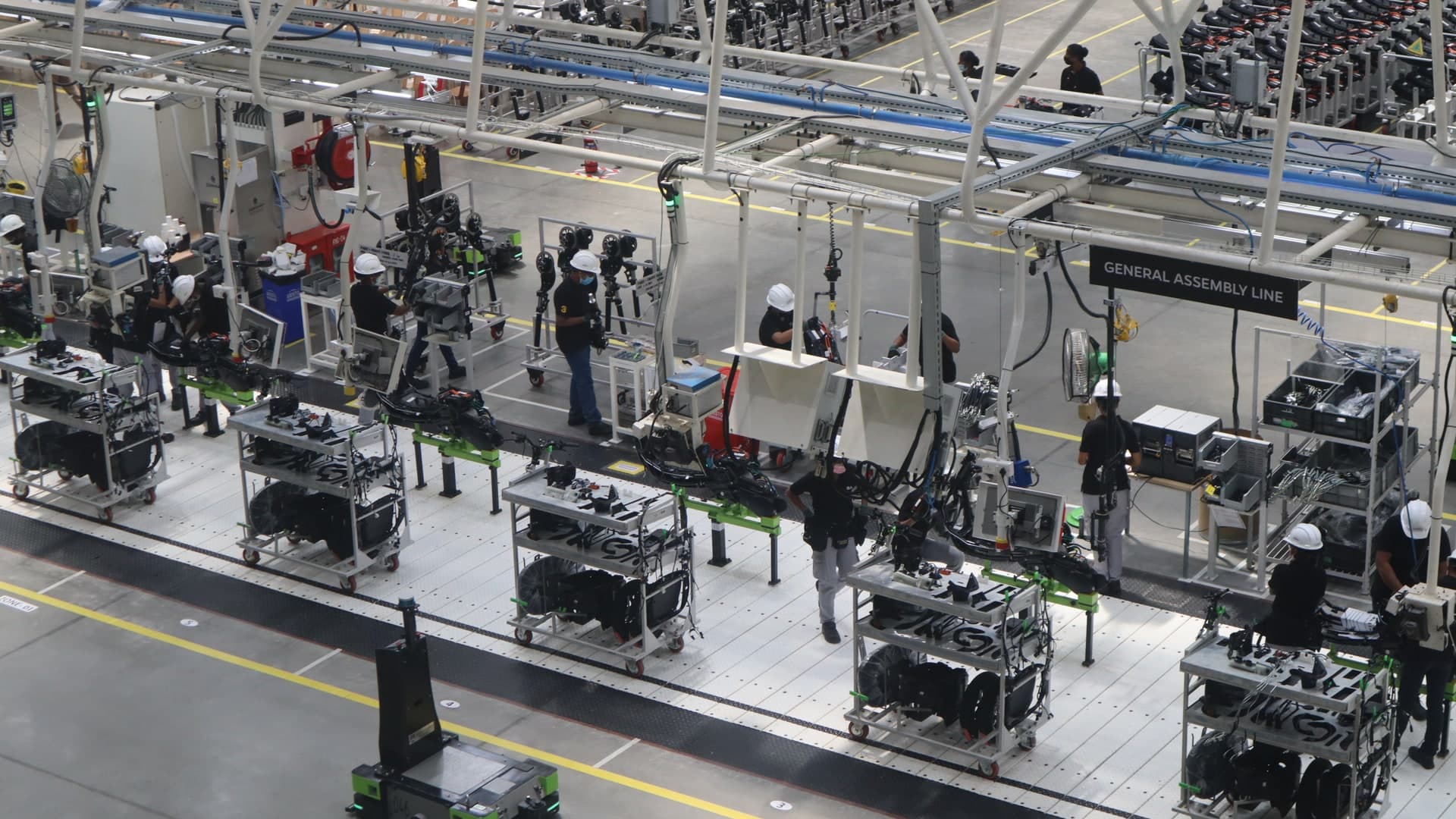
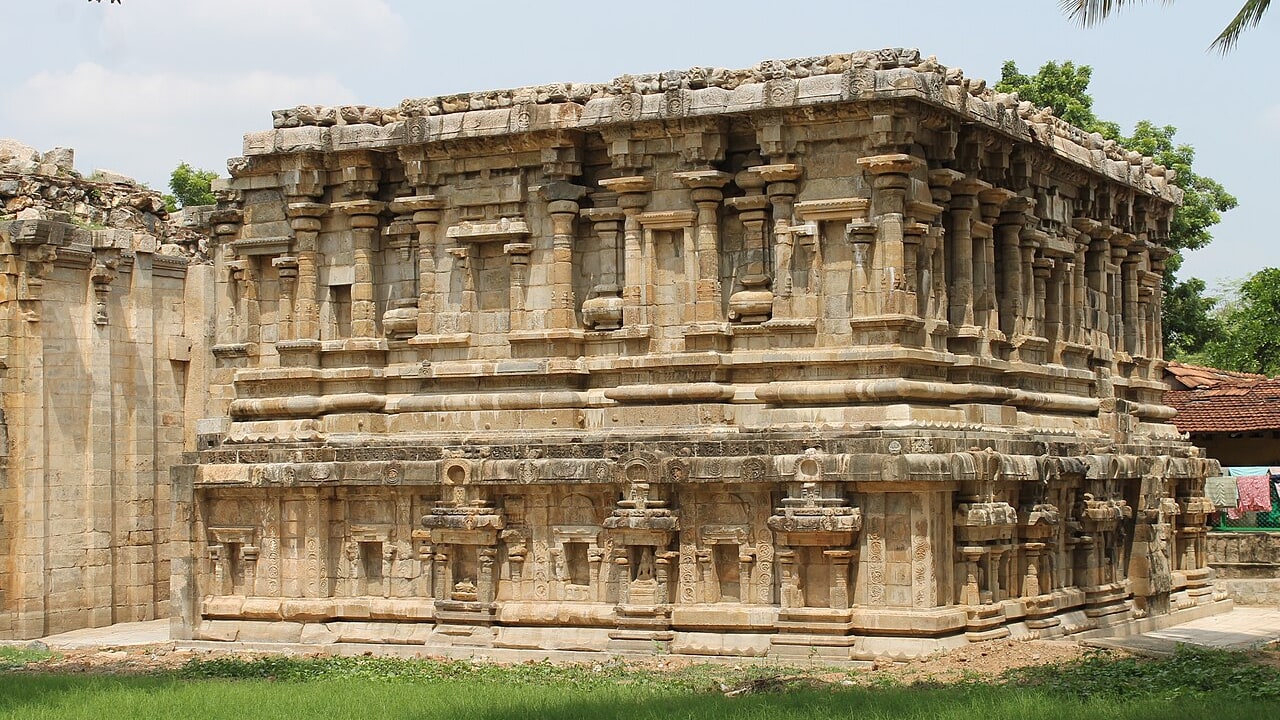
Beyond these political and legal developments, Kumbakonam is known for its rich cultural and religious heritage. Recently, Indian cricketer Abhishek Sharma's visit to the famous 108 Shivalinga temple further highlighted the region's religious significance. Pilgrims and tourists from across the country are drawn to the ancient architecture and spiritual energy of this city. Meanwhile, the local economy is also witnessing expansions in the automobile sector and infrastructure.
Conclusion and Future Political Impact
This journey through Kumbakonam shows how a city can simultaneously carry the deep scars of the past, the political revolutions of the present, and its eternal culture. TVK's victory here is not just a change of a single seat, but the result of underlying discontent and the search for new alternatives among the public. The Freelance's investigation proves that Kumbakonam is no longer just a city of temples, but a new center for Tamil Nadu's changing political destiny.